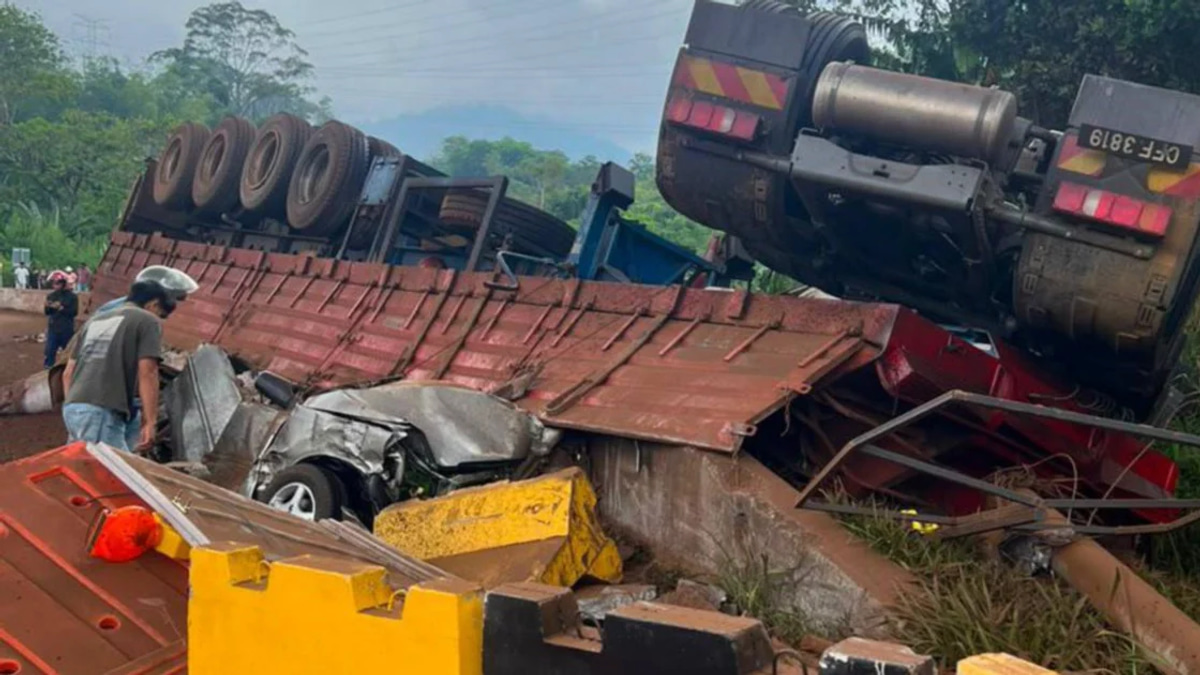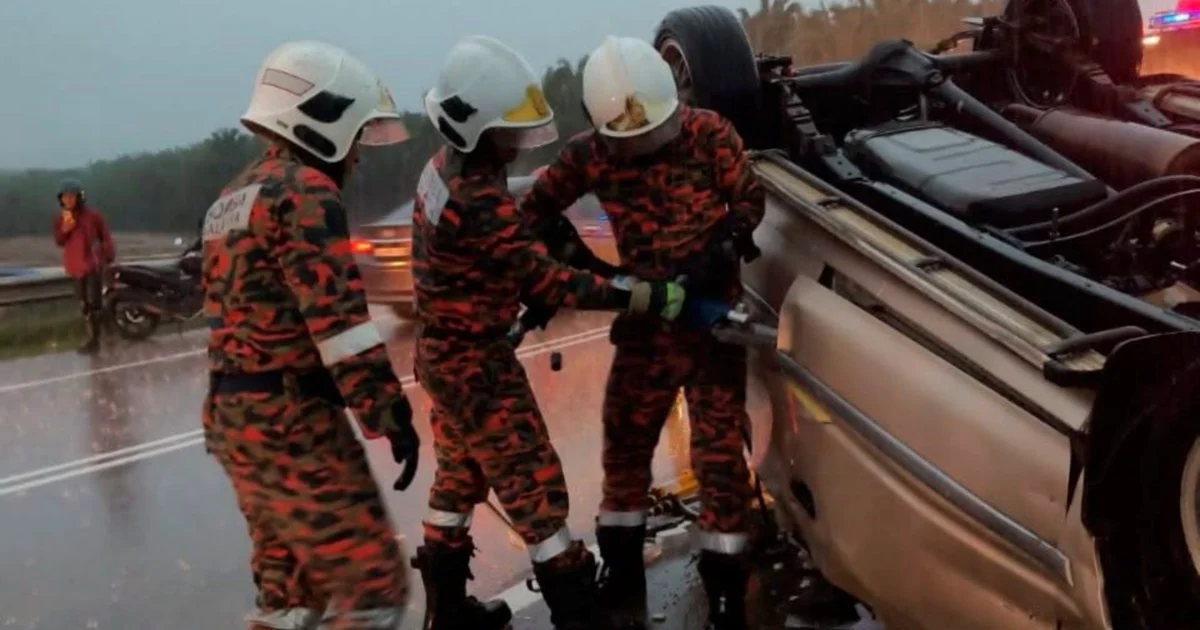
A devastating afternoon unfolded in Pahang as two unrelated road accidents claimed the lives of four people, including two sisters, in the districts of Maran and Pekan. The twin tragedies, occurring within a span of less than sixty minutes, have reignited concerns about road safety on Malaysian highways and raised questions about the factors contributing to the fatal collisions.
The incidents highlight the unpredictable nature of traffic hazards across Pahang's road network, where multiple accident blackspots have been documented in recent years. Emergency services were stretched responding to the two separate crash scenes simultaneously, underscoring the logistical challenges faced by rescue teams during peak incident periods. The loss of the two sisters in particular has brought personal tragedy into sharp focus, as families across the state grapple with the sudden impact of these accidents.
Road accidents remain a persistent public health concern in Malaysia, with fatalities and injuries continuing to rise during certain periods of the year. Pahang, with its extensive network of highways connecting rural and urban areas, has consistently featured among states with higher accident rates. The proximity of these two crashes in both time and geography suggests that prevailing conditions—whether weather-related, traffic-dependent, or linked to driver behaviour—may have created a dangerous environment for road users in the region during the timeframe in question.
Investigators will likely focus on multiple variables as they examine the circumstances surrounding both collisions. Speed, road conditions, vehicle maintenance, driver fatigue, and adherence to traffic regulations are standard lines of inquiry in fatal accident investigations conducted by the Royal Malaysia Police (PDRM) and the Road Transport Department (JPJ). Preliminary observations from first responders can prove invaluable in establishing whether similar underlying causes contributed to both incidents.
The emotional toll on families affected by these accidents extends beyond the immediate loss. In many Malaysian communities, road accidents that claim multiple family members simultaneously create compounded grief and economic hardship, particularly when working-age individuals are involved. The broader social impact ripples through extended families and communities, prompting reflection on road safety responsibilities that fall on individual drivers, vehicle owners, and regulatory authorities alike.
Recent data from traffic safety organizations has demonstrated that a significant proportion of fatal accidents occur during daylight hours and on relatively busy roads, challenging assumptions that night driving or remote highways account for the majority of serious incidents. The timing of these Pahang crashes falls within a period when traffic volumes are typically moderate to high, suggesting that congestion, driver inattention, or sudden manoeuvres may have played roles that investigators will need to clarify.
The role of vehicle condition cannot be overlooked in Malaysian road accident analysis. Many vehicles on local roads are several years old, and maintenance standards vary considerably across different vehicle owner demographics. Brake failure, tyre blowouts, and steering malfunctions have been implicated in numerous fatal crashes documented in police reports over the past decade, making vehicle roadworthiness inspections a critical but sometimes inconsistently enforced aspect of road safety protocols.
Public awareness campaigns regarding safe driving practices have expanded in recent years, yet accident statistics suggest that behavioural change among a significant segment of road users remains limited. Defensive driving techniques, appropriate speed adjustment for road conditions, and heightened alertness during peak traffic periods are principles that, if universally adopted, could substantially reduce fatality rates. The tragedies in Maran and Pekan serve as stark reminders of the consequences when these principles are neglected or overlooked.
Authorities in Pahang and across Malaysia have access to accident data analytics that can identify high-risk locations and time periods. Targeted intervention strategies—including increased police presence at accident blackspots, improved road signage, infrastructure modifications, and community education initiatives—have shown measurable success in certain jurisdictions. The challenge lies in consistent implementation and adequate resource allocation to sustain these programmes across all high-risk areas.
The psychological impact on emergency responders who attended to these accidents also merits consideration. Paramedics, police officers, and firefighters regularly encounter fatal scenes that can accumulate psychological strain over their careers. Supporting the mental health of first responders through institutional frameworks and peer support networks remains an underdeveloped aspect of occupational safety in Malaysia's emergency services sector.
Moving forward, the investigation findings will likely be communicated through official channels, potentially revealing whether systemic factors, individual negligence, or environmental conditions bore primary responsibility for these fatalities. Regardless of cause, the loss of four individuals—particularly the two sisters—represents families and communities forever altered by the permanence of these accidents. Their memory may yet catalyse meaningful discussions about how Malaysian society can collectively reduce the road toll through shared responsibility, improved infrastructure, and unwavering commitment to traffic safety principles.