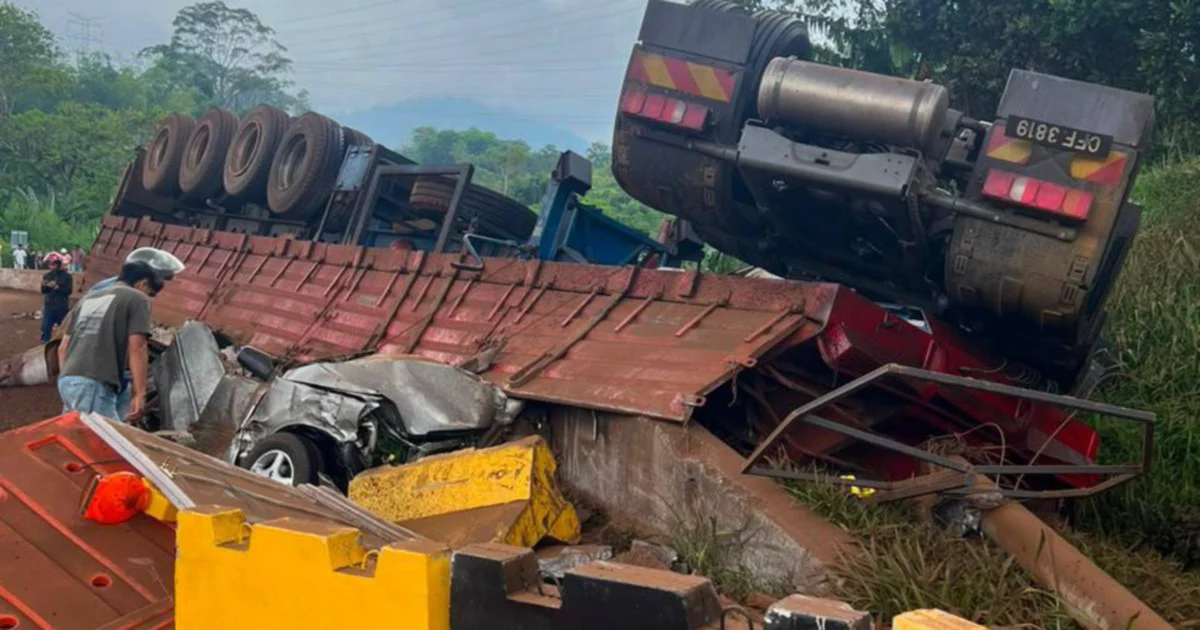
A trailer driver implicated in a catastrophic road accident near Bentong last month has been granted bail by Malaysian police, though he remains under investigation as prosecutors prepare charges relating to the collision that left four people dead on June 14. The release comes as authorities complete their preliminary enquiries into the circumstances surrounding the incident on Karak Expressway, one of the nation's busier routes connecting the Klang Valley to the east coast.
The June 14 tragedy occurred when the heavy vehicle struck another vehicle, resulting in multiple fatalities at the scene. The incident underscored continuing concerns about road safety on expressways that traverse challenging terrain, particularly during periods of heavy traffic or adverse weather. Karak Expressway remains a critical corridor for commercial transport and commuter traffic, carrying significant volumes of daily vehicular movement through Pahang state.
The decision to release the driver on bail reflects standard police procedure in Malaysia for serious traffic offences pending investigation completion. Police bail conditions typically impose restrictions on the accused's movements and require periodic reporting to authorities. The driver's release does not indicate innocence or exoneration; rather, it represents a procedural step in the judicial process where prosecutors must establish sufficient evidence to substantiate charges before formal court proceedings commence.
Malaysian traffic law provides for severe penalties in fatal accident cases, particularly where evidence suggests driver negligence, mechanical failure, or violations of road regulations. Depending on investigation findings, charges could range from causing death by rash or negligent act under the Penal Code to breaches of the Road Transport Act. The distinction between negligence categories carries significant implications for potential sentences, fines, and licence suspension duration.
The expressway system across Malaysia has periodically drawn scrutiny from road safety advocates and transport authorities regarding accident prevention measures. Highway accidents involving commercial vehicles often result in catastrophic outcomes due to the weight and momentum of heavy transport, making driver training, vehicle maintenance protocols, and fatigue management critical considerations. Investigations into expressway collisions typically examine factors including braking systems, tyre condition, driver hours of service compliance, and whether weather or visibility issues contributed to the incident.
For the victims' families, the bail decision initiates a prolonged legal process that may extend over many months. Malaysian criminal procedures require thorough investigation before charges proceed to court, followed by trial processes that can span considerable periods. This extended timeline often compounds grief with administrative burden, as families await closure through formal legal determination of liability and appropriate accountability measures.
The incident reflects a broader pattern of expressway fatalities that Malaysian authorities have highlighted in recent years. Transport Ministry data consistently indicates that heavy vehicle collisions disproportionately affect accident statistics on major highways, prompting ongoing discussions about enforcement of speed limits, mandatory rest periods for professional drivers, and technological safety features in commercial vehicles. Industry observers note that regional integration and growing cross-border commerce increase pressure on drivers and vehicle operators to maintain schedules, potentially compromising safety protocols.
Police investigations into fatal traffic accidents in Malaysia follow established procedures encompassing forensic examination of vehicle wreckage, scene reconstruction analysis, and review of any available recording equipment or witness statements. Dashcam footage has increasingly played a role in establishing accident sequences, though not all vehicles carry such devices. Preliminary examination of mechanical condition, road surface, and traffic control measures at the incident location forms part of the investigative framework.
The Bentong incident serves as a sobering reminder of the operational hazards within Malaysia's transport sector. Commercial drivers work under demanding conditions, often managing tight schedules and weather challenges across diverse terrain. While investigations must establish individual responsibility, broader systemic considerations around driver welfare, vehicle safety standards, and enforcement infrastructure warrant continued policy attention across Southeast Asia's logistics networks.
As the investigation progresses, the case may become subject to inquest proceedings if authorities determine that public interest considerations justify formal judicial examination. The manner in which Malaysian authorities handle this matter could influence transport industry practices and regulatory discussions currently underway regarding commercial vehicle operations on expressways. The upcoming prosecution phase will provide greater clarity on the specific factors that culminated in the tragic outcome.
Meanwhile, authorities continue gathering documentary evidence, technical analysis, and witness testimony to substantiate the case file. The bail arrangement permits the driver to reside within prescribed boundaries while prosecution preparation continues, a process typically requiring several weeks to several months depending on investigation complexity and court scheduling. Once the police investigation formally concludes, the prosecutor's office will determine appropriate charges to proceed before the courts.


%22%2F%3E%3C%2Fpattern%3E%3C%2Fdefs%3E%3Crect%20width%3D%22100%25%22%20height%3D%22100%25%22%20fill%3D%22url(%23ph4w4yvg)%22%2F%3E%3Crect%20width%3D%22100%25%22%20height%3D%22100%25%22%20fill%3D%22url(%23ph4w4yvp)%22%2F%3E%3Ctext%20x%3D%2250%25%22%20y%3D%2250%25%22%20text-anchor%3D%22middle%22%20dominant-baseline%3D%22central%22%20fill%3D%22rgba(255%2C255%2C255%2C0.95)%22%20font-family%3D%22Georgia%2C%20'Times%20New%20Roman'%2C%20serif%22%20font-weight%3D%22700%22%20font-size%3D%22226%22%20letter-spacing%3D%22-0.02em%22%3EPenang%3C%2Ftext%3E%3C%2Fsvg%3E)