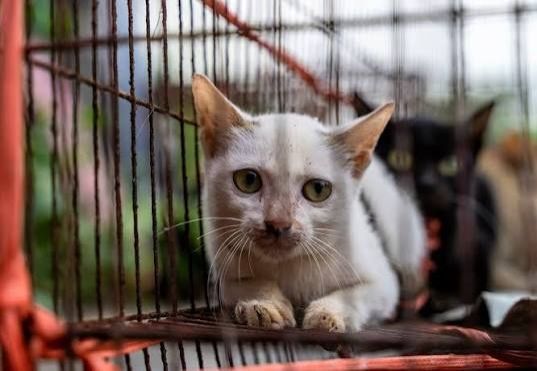
Vietnamese law enforcement has successfully broken up a large-scale cat-stealing operation that operated across southern Vietnam, leading to the recovery of hundreds of animals destined for slaughter. The bust, coordinated by Ho Chi Minh City police, resulted in the arrest of nine individuals suspected of running what officials described as an organised criminal group specialising in the systematic theft and collection of felines. The operation dismantled what authorities believe was a three-year campaign of pet abductions targeting residents throughout the region.
The scale of the rescue operation underscores the scope of the criminal enterprise. Police recovered more than 400 live cats during raids on multiple facilities connected to the suspected theft ring, alongside 80 carcasses preserved on ice that had already been prepared for sale as food. An additional 21 cats were confiscated from a separate location believed to be linked to the operation. The sheer volume of animals suggests the gang had developed sophisticated methods for capturing, transporting, and storing stolen pets, likely operating with a network of suppliers and buyers across Ho Chi Minh City and surrounding provinces.
The investigation was triggered by mounting complaints from residents reporting missing cats in Ho Chi Minh City. Authorities launched a crackdown after recognising a pattern of pet thefts that suggested coordinated criminal activity rather than isolated incidents. During interrogation, the nine arrested suspects confessed to using deliberate luring and trapping techniques to capture cats belonging to residents, indicating a calculated approach to acquiring animals rather than opportunistic theft. This admission has provided law enforcement with concrete evidence of the organised nature of the operation and potentially strengthens prosecution cases against those involved.
Cat and dog meat consumption remains a legal practice in Vietnam, a distinction that sets the country apart from many of its regional neighbours where such trade faces increasing legal restrictions and public opposition. Vietnamese restaurants continue to operate openly, advertising dog and cat meat on their menus without fear of legal consequence. However, Vietnamese law does impose certain regulatory requirements on vendors dealing in these meats. All sellers are required to obtain and present certificates documenting the origin of animals they offer for sale, a provision designed to prevent the trade in stolen pets and ensure some degree of supply chain transparency. The theft ring's operation suggests that criminals have found ways to circumvent or falsify these documentation requirements, turning to theft rather than legal procurement channels.
The reunification process has provided a measure of resolution for some families separated from their beloved animals. Humane World for Animals, an international animal welfare organisation actively engaged with local authorities throughout the rescue and recovery operation, confirmed that at least 40 of the recovered cats have been successfully returned to their original owners. The organisation's rapid response and coordination with police undoubtedly facilitated the tracking and identification of stolen pets, helping to bridge the gap between rescue and reunion.
However, the operation has revealed the dark toll such criminal activity inflicts on the animals themselves. Of the rescued cats, approximately 100 did not survive despite being freed from the gang's custody. These deaths resulted from the trauma and mistreatment the animals endured during their captivity, including inadequate nutrition, poor sanitary conditions, and the psychological stress of prolonged confinement. This mortality rate highlights the suffering inherent in the theft-to-slaughter pipeline and raises difficult questions about the wider welfare implications of a legal meat trade that incentivises animal abduction.
The situation of the remaining rescued cats presents an ongoing challenge for animal welfare advocates. While police pursue legal action against the nine arrested suspects, the confiscated animals must remain in police custody to serve as evidence during prosecution and court proceedings. This requirement, though legally necessary, has created a precarious situation for hundreds of animals awaiting resolution. Humane World for Animals has voiced particular concern about the welfare of cats held at the police station throughout what could be a prolonged legal process, recognising that extended confinement in a facility not designed to provide optimal animal care could jeopardise additional lives.
In response to these concerns, the animal welfare organisation has taken practical steps to mitigate suffering. Humane World for Animals has donated food supplies to support the captive cats and is arranging delivery of cooling fans to the police holding facilities. These interventions address immediate welfare needs, particularly the risk of heat stress to which confined cats are vulnerable during Vietnam's hot and humid climate. The organisation's engagement demonstrates the critical role that civil society groups play in bridging gaps between law enforcement priorities and animal welfare standards.
The case carries significant implications for animal protection efforts across Southeast Asia. As awareness of animal welfare concerns grows in the region, Vietnam finds itself at a crossroads between traditional practices and modernising attitudes toward companion animals. The large-scale nature of the criminal operation and the public response suggest that many Vietnamese citizens view cats as pets deserving protection rather than merely as commodity animals. The success of police action in responding to citizen complaints indicates receptiveness to enforcement against criminal exploitation, even within a legal framework that permits the trade itself. However, addressing the underlying demand for such meat and finding sustainable alternatives for communities that depend on this trade remain significant long-term challenges.


