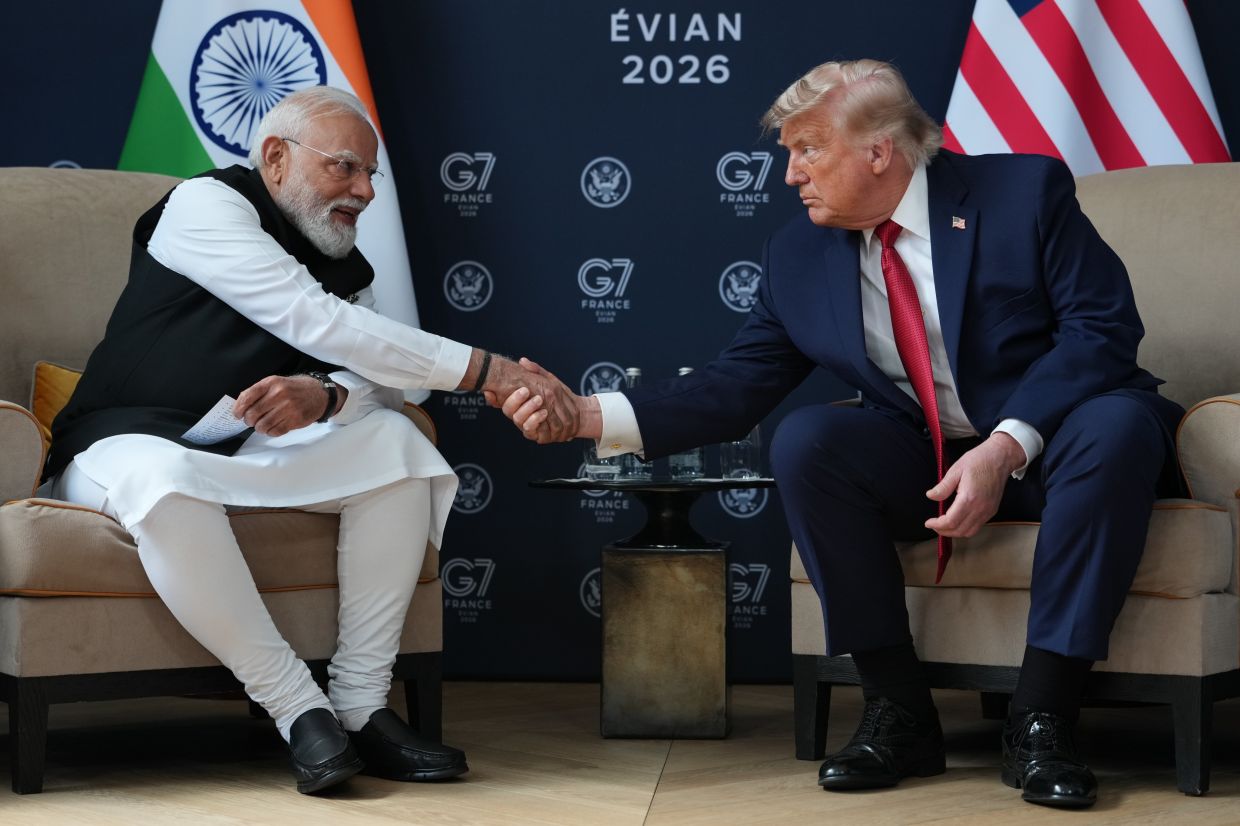
The diplomatic aftermath of a deadly confrontation at sea between American and Indian interests has exposed a widening fissure between two nations traditionally portrayed as strategic partners. During their first substantive bilateral meeting in 16 months, United States President Donald Trump made only passing reference to the deaths of three Indian sailors, describing their loss with a candour that stunned observers in New Delhi and triggered an unusual wave of public anger across India's major cities.
The fatal incident occurred when US forces launched a missile strike against the MT Settebello, a cargo vessel flying the Palau flag, in the waters of the Strait of Hormuz. The three Indian crew members killed in the attack have become a flashpoint for tensions that are straining what Washington and New Delhi have long positioned as a cornerstone Asian partnership. Compounding the damage, American military forces also targeted two additional commercial vessels crewed by Indian nationals, justifying the strikes as enforcement of a blockade on Iranian petroleum exports that the United States has sought to maintain.
Trump's dismissive characterisation of the deaths during his press remarks—couching fatal maritime incidents as an inherent hazard of commercial shipping—prompted sharp rebukes from Indian political circles and public demonstrations that underscored festering resentment. The American President offered no formal condolences, instead pivoting to assertions that both governments remain aligned on the broader issue and that seafaring has always carried occupational risks. His framing of commercial vessel operations as "a rough profession" struck many observers as tone-deaf given the loss of life among Indian workers.
The tension rippled outward in visible ways across Indian society. Videos circulated showing auto rickshaw drivers in Delhi tearing down promotional materials bearing Trump's likeness, items the United States embassy had distributed as part of its diplomatic outreach carrying birthday greetings to America. The symbolic destruction of these banners represented a rare and public rejection of American imagery in the Indian capital, suggesting that grassroots sentiment had shifted markedly since the two leaders' previous encounter.
India's External Affairs Minister S. Jaishankar had lodged what he characterised as a "strong protest" regarding the killings during a direct communication with his American counterpart. However, the State Department's official summary of that conversation revealed the starkly different postures adopted by each side. Washington's readout emphasised that violations of the imposed Iranian oil blockade and illicit transport would face continued enforcement, effectively doubling down on the position that justified the strikes rather than acknowledging Indian grievances.
The muted official response from Prime Minister Modi's government to American actions drew sharp criticism from the political opposition, particularly from senior Congress leader Rahul Gandhi. Gandhi took to social media to characterise the Prime Minister as "compromised," arguing that a sovereign nation would never accept such terms from a foreign power. His comments reflected broader frustrations that India's government had accepted American explanations without forceful pushback, accepting what critics framed as subordinate positioning in the bilateral relationship.
Despite the acrimonious circumstances surrounding their meeting, Trump emphasised the personal warmth he claimed exists between himself and Modi, asserting that the two leaders and their nations had achieved unprecedented closeness. He noted the absence of any formal defence treaty between the countries, yet pledged that America would come to India's aid if attacked—a statement that appeared designed to reinforce commitment whilst sidestepping the immediate crisis. Trump also volunteered that he would visit India in the future, suggesting he viewed the relationship as resilient despite current friction.
The timing of this encounter carries additional weight given the two nations' earlier diplomatic momentum. Trump and Modi had convened in Washington during February 2025, launching negotiations toward a comprehensive bilateral trade agreement that positioned India among the first countries to enter formal trade discussions with the new American administration. That meeting had been hailed as a demonstration of strategic alignment and economic partnership, establishing the foundation for deeper commercial ties between the world's largest and most populous democracies.
Trade negotiations remain active, though the poisoned atmosphere surrounding the naval incident threatens to complicate discussions. American Trade Representative efforts to craft an interim trade arrangement continue, yet the goodwill that typically accompanies such negotiations has been substantially depleted. Trump characterised Modi as a "tough trader" and praised him as a "great guy," language meant perhaps to smooth over the incident, though such compliments rang hollow against the backdrop of unresolved grievances.
Secretary of State Marco Rubio's subsequent visit to India functioned partly as damage control, with the top diplomat describing India as among America's "most important strategic partners" and underscoring mutual commitment. Yet such reassurances, delivered after the fact, struggled to reverse the impression that American interests in blockade enforcement had taken priority over concerns about Indian nationals' safety. The incident illuminates a fundamental tension within the India-US partnership: alignment on strategic concerns does not automatically translate into reciprocal protection or consideration for the other side's citizens and interests.
For Malaysia and other Southeast Asian nations watching this dynamic, the episode offers a cautionary lesson about asymmetries that persist even within strategically important bilateral relationships. It demonstrates that commercial interests and military enforcement can override diplomatic niceties when powerful nations perceive them as essential. The public anger in India, whilst notable, ultimately failed to constrain government-to-government engagement, suggesting that strategic imperatives and trade ambitions may ultimately supersede accountability for individual losses when major powers determine their interests are at stake.
%22%2F%3E%3C%2Fpattern%3E%3C%2Fdefs%3E%3Crect%20width%3D%22100%25%22%20height%3D%22100%25%22%20fill%3D%22url(%23ph1o3zeg)%22%2F%3E%3Crect%20width%3D%22100%25%22%20height%3D%22100%25%22%20fill%3D%22url(%23ph1o3zep)%22%2F%3E%3Ctext%20x%3D%2250%25%22%20y%3D%2250%25%22%20text-anchor%3D%22middle%22%20dominant-baseline%3D%22central%22%20fill%3D%22rgba(255%2C255%2C255%2C0.95)%22%20font-family%3D%22Georgia%2C%20'Times%20New%20Roman'%2C%20serif%22%20font-weight%3D%22700%22%20font-size%3D%22170%22%20letter-spacing%3D%22-0.02em%22%3ENational%3C%2Ftext%3E%3C%2Fsvg%3E)
%22%2F%3E%3C%2Fpattern%3E%3C%2Fdefs%3E%3Crect%20width%3D%22100%25%22%20height%3D%22100%25%22%20fill%3D%22url(%23ph4gh41g)%22%2F%3E%3Crect%20width%3D%22100%25%22%20height%3D%22100%25%22%20fill%3D%22url(%23ph4gh41p)%22%2F%3E%3Ctext%20x%3D%2250%25%22%20y%3D%2250%25%22%20text-anchor%3D%22middle%22%20dominant-baseline%3D%22central%22%20fill%3D%22rgba(255%2C255%2C255%2C0.95)%22%20font-family%3D%22Georgia%2C%20'Times%20New%20Roman'%2C%20serif%22%20font-weight%3D%22700%22%20font-size%3D%22170%22%20letter-spacing%3D%22-0.02em%22%3EMalaysia%3C%2Ftext%3E%3C%2Fsvg%3E)
%22%2F%3E%3C%2Fpattern%3E%3C%2Fdefs%3E%3Crect%20width%3D%22100%25%22%20height%3D%22100%25%22%20fill%3D%22url(%23ph4a2eeg)%22%2F%3E%3Crect%20width%3D%22100%25%22%20height%3D%22100%25%22%20fill%3D%22url(%23ph4a2eep)%22%2F%3E%3Ctext%20x%3D%2250%25%22%20y%3D%2250%25%22%20text-anchor%3D%22middle%22%20dominant-baseline%3D%22central%22%20fill%3D%22rgba(255%2C255%2C255%2C0.95)%22%20font-family%3D%22Georgia%2C%20'Times%20New%20Roman'%2C%20serif%22%20font-weight%3D%22700%22%20font-size%3D%22136%22%20letter-spacing%3D%22-0.02em%22%3EGovernment%3C%2Ftext%3E%3C%2Fsvg%3E)