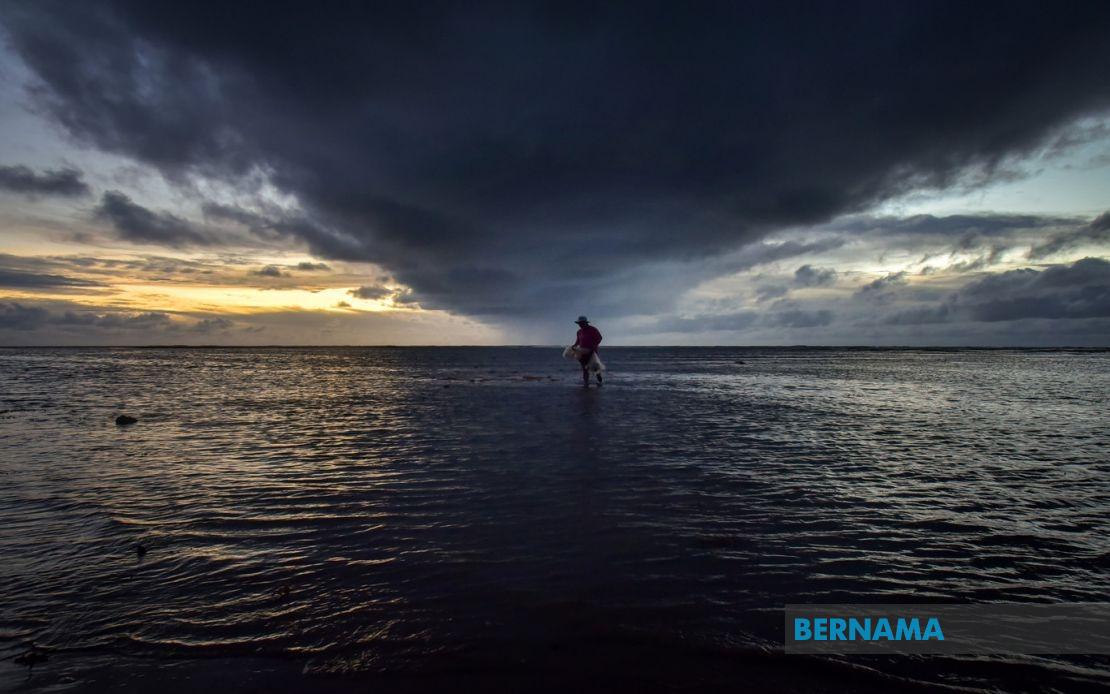
A significant weather system is affecting much of Malaysia, with the Malaysian Meteorological Department issuing an alert for thunderstorms, heavy rainfall and strong winds that will persist across numerous states and regions until 5 pm. The alert encompasses the majority of Peninsular Malaysia alongside affected districts in Sabah, Sarawak and the Federal Territory of Labuan, signalling the need for public awareness and preparedness ahead of the adverse conditions.
The entire northern peninsula states of Perlis and Penang face the full force of this weather system. In Kedah, seven districts have been placed under alert: Langkawi, Kubang Pasu, Padang Terap, Sik, Baling, Kulim and Bandar Baharu. These areas, spanning both the mainland and the island districts, should anticipate disruptions to daily activities and potential hazards from gusty winds and flooding in low-lying regions.
Perak bears the brunt of the warning with twelve districts affected, including major industrial and residential areas. Kerian, Larut, Matang and Selama, Hulu Perak, Kuala Kangsar, Manjung, Kinta, Perak Tengah, Kampar, Batang Padang and Muallim all fall within the danger zone. This wide coverage reflects the system's extensive reach across the state, potentially impacting economic activity in mining and manufacturing regions as well as agricultural areas.
East Coast Peninsular regions are not spared from the inclement weather. In Pahang, the alert covers Cameron Highlands, Raub, Bentong and Rompin—areas that include highland agricultural zones and tourist destinations that may experience visibility issues and travel difficulties. The broad geographic spread underscores the system's intensity and scale across the peninsula.
Selangor's alert extends to three districts: Hulu Selangor, Gombak and Hulu Langat, which comprise parts of the Klang Valley region and surrounding areas. Given the high population concentration in these districts, the weather warning carries implications for commuters, school operations and commercial activities in Malaysia's economic heartland. Negeri Sembilan residents in Jelebu, Seremban, Kuala Pilah, Jempol and Tampin should prepare for similar disruptions.
Southern Peninsular Malaysia experiences more localised impacts, with Johor's Mersing and Kota Tinggi districts facing the warning. Despite affecting only two districts, the alert for Johor remains significant given these areas' exposure to coastal weather systems and the presence of tourism infrastructure along the east coast.
East Malaysia faces substantial weather challenges as well. Sabah's Interior division, encompassing Sipitang, Tenom, Kuala Penyu, Beaufort and Tambunan, joins the alert alongside West Coast areas and multiple Tawau and Sandakan districts including Kunak, Lahad Datu, Beluran and Kudat. The inclusion of the Federal Territory of Labuan in the warning reflects the system's reach across the northern portion of Sabah.
Sarawak experiences widespread impacts across its divisional structure. Kuching division's Bau and Kuching areas, along with Samarahan and Sri Aman, form the southwestern affected zone. The central regions, including Betong division's Pusa and Betong, Sarikei's Pakan and Julau, and Sibu's Sibu and Kanowit districts, are similarly impacted. Further north, Mukah's Matu and Dalat, Kapit's Song, Bintulu and Miri division's Subis, Beluru, Miri and Marudi face the alert, alongside Limbang in the state's northeastern corner.
The comprehensive geographic coverage—stretching from the north-south length of Peninsular Malaysia and spanning all three East Malaysian territories—indicates a major weather system moving through the region. Such extensive thunderstorm warnings typically accompany strong monsoon influences or significant pressure systems capable of generating heavy precipitation and dangerous wind gusts simultaneously.
Residents and businesses across all affected areas should take precautionary measures, including securing loose outdoor items, monitoring weather updates and avoiding unnecessary travel during peak storm periods. The five-hour window until 5 pm provides a defined timeframe for planning, though individuals should remain alert for any extension of the warning if conditions persist beyond the stated period.
For transportation authorities, schools and essential services, the alert necessitates contingency planning to manage potential disruptions. Flooding in low-lying areas, wind damage to infrastructure and visibility issues on roads represent significant hazards that warrant advance preparation. The breadth of affected areas also suggests regional supply chains and logistics operations may experience delays.
MetMalaysia's alert system relies on real-time meteorological data and forecasting models to track severe weather development. Public adherence to these warnings remains critical for minimising casualties and property damage during extreme weather events. As the deadline approaches, residents should monitor official updates from the department for any modifications to the alert scope or duration.
%22%2F%3E%3C%2Fpattern%3E%3C%2Fdefs%3E%3Crect%20width%3D%22100%25%22%20height%3D%22100%25%22%20fill%3D%22url(%23ph1o3zeg)%22%2F%3E%3Crect%20width%3D%22100%25%22%20height%3D%22100%25%22%20fill%3D%22url(%23ph1o3zep)%22%2F%3E%3Ctext%20x%3D%2250%25%22%20y%3D%2250%25%22%20text-anchor%3D%22middle%22%20dominant-baseline%3D%22central%22%20fill%3D%22rgba(255%2C255%2C255%2C0.95)%22%20font-family%3D%22Georgia%2C%20'Times%20New%20Roman'%2C%20serif%22%20font-weight%3D%22700%22%20font-size%3D%22170%22%20letter-spacing%3D%22-0.02em%22%3ENational%3C%2Ftext%3E%3C%2Fsvg%3E)
%22%2F%3E%3C%2Fpattern%3E%3C%2Fdefs%3E%3Crect%20width%3D%22100%25%22%20height%3D%22100%25%22%20fill%3D%22url(%23ph4gh41g)%22%2F%3E%3Crect%20width%3D%22100%25%22%20height%3D%22100%25%22%20fill%3D%22url(%23ph4gh41p)%22%2F%3E%3Ctext%20x%3D%2250%25%22%20y%3D%2250%25%22%20text-anchor%3D%22middle%22%20dominant-baseline%3D%22central%22%20fill%3D%22rgba(255%2C255%2C255%2C0.95)%22%20font-family%3D%22Georgia%2C%20'Times%20New%20Roman'%2C%20serif%22%20font-weight%3D%22700%22%20font-size%3D%22170%22%20letter-spacing%3D%22-0.02em%22%3EMalaysia%3C%2Ftext%3E%3C%2Fsvg%3E)
%22%2F%3E%3C%2Fpattern%3E%3C%2Fdefs%3E%3Crect%20width%3D%22100%25%22%20height%3D%22100%25%22%20fill%3D%22url(%23ph4a2eeg)%22%2F%3E%3Crect%20width%3D%22100%25%22%20height%3D%22100%25%22%20fill%3D%22url(%23ph4a2eep)%22%2F%3E%3Ctext%20x%3D%2250%25%22%20y%3D%2250%25%22%20text-anchor%3D%22middle%22%20dominant-baseline%3D%22central%22%20fill%3D%22rgba(255%2C255%2C255%2C0.95)%22%20font-family%3D%22Georgia%2C%20'Times%20New%20Roman'%2C%20serif%22%20font-weight%3D%22700%22%20font-size%3D%22136%22%20letter-spacing%3D%22-0.02em%22%3EGovernment%3C%2Ftext%3E%3C%2Fsvg%3E)