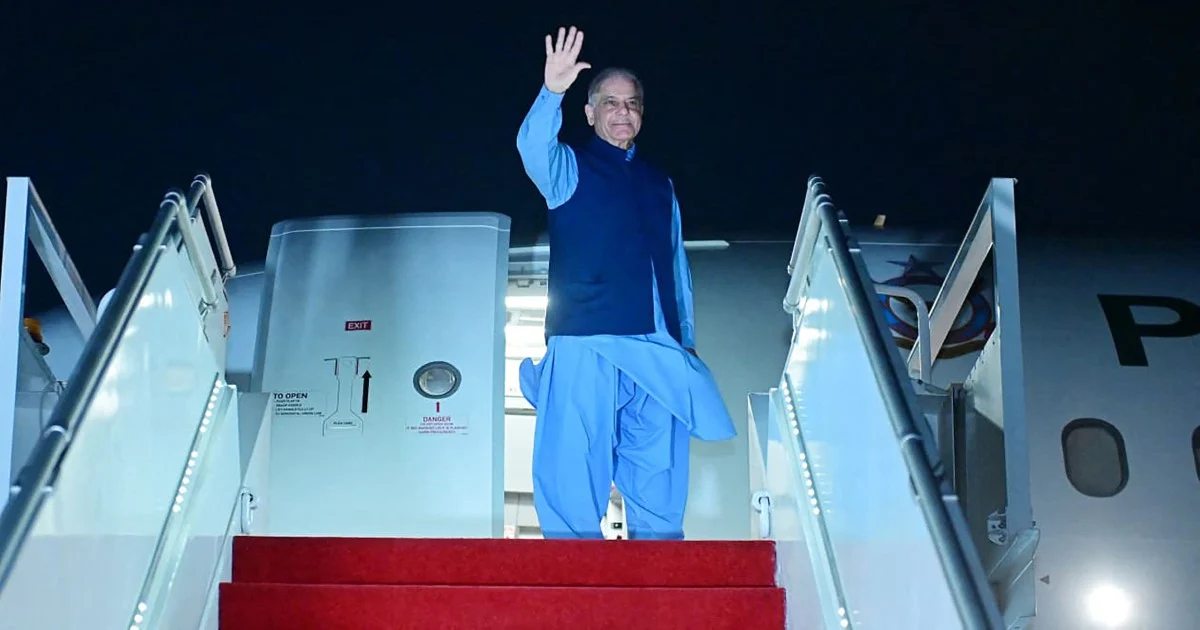
Pakistani Prime Minister Shehbaz Sharif touched down in Switzerland on Sunday morning to take part in technical-level discussions designed to ease military confrontation between the United States and Iran. His arrival underscores Pakistan's growing role as a potential mediator in one of the region's most volatile geopolitical standoffs, even as the country grapples with significant domestic economic and security challenges.
The technical talks represent a shift in diplomatic engagement between Washington and Tehran, which have remained locked in escalating tensions following the 2018 US withdrawal from the Joint Comprehensive Plan of Action (JCPOA), the landmark nuclear agreement. By convening experts and technical officials rather than senior diplomats, both powers appear to be seeking pathways for communication that avoid the political sensitivities that have derailed previous negotiations. Pakistan's participation suggests that Islamabad views itself as a trusted neutral party capable of facilitating such discussions.
Pakistan's presence in these negotiations carries particular significance given its long-standing relationships with both Tehran and Washington. As an Islamic republic with substantial Shia and Sunni populations, and sitting at the crossroads of South Asian and Middle Eastern geopolitics, Islamabad has historically attempted to balance its ties with Iran while maintaining security partnerships with the United States and Gulf Arab states. However, this balancing act has become increasingly precarious as regional conflicts have intensified.
The timing of Sharif's trip reflects broader regional instability. The Middle East has witnessed numerous flashpoints in recent months, from sustained Israeli-Palestinian tensions to ongoing conflicts in Yemen and Syria. Any further escalation between the US and Iran could have far-reaching consequences for Pakistan, which depends heavily on energy supplies from the Middle East and maintains significant trade relationships throughout the region. Moreover, heightened US-Iran tensions could destabilise Pakistan's own security environment and complicate its counterterrorism efforts.
For Malaysia and Southeast Asia, Pakistan's diplomatic initiative carries implications beyond immediate bilateral concerns. Regional powers increasingly understand that Middle Eastern tensions can ripple across Asia, affecting energy prices, shipping lanes, and investment flows. Pakistan's attempt to bridge Washington and Tehran demonstrates how South Asian nations view themselves as stakeholders in Middle Eastern stability, a perspective Malaysian policymakers should note when considering their own regional engagement strategies.
The technical nature of these talks suggests both sides recognise the need for incremental progress rather than comprehensive breakthroughs. Technical discussions typically focus on narrow but crucial matters—verification mechanisms, inspection protocols, sanctions implementation details—allowing negotiators to build trust through concrete agreements before tackling broader political questions. Pakistan's technical experts may contribute knowledge drawn from their country's own experience managing international sanctions and nuclear diplomacy.
Sharif's participation also reflects Pakistan's efforts to rehabilitate its international image and reassert diplomatic influence. Following years of economic instability and concerns about governance, Pakistan has sought to demonstrate its value as a regional player capable of managing complex international relations. Successfully facilitating or contributing to US-Iran dialogue would strengthen Islamabad's standing among global powers and potentially open pathways for enhanced bilateral cooperation.
The broader context matters here. Iran and the United States have conducted indirect talks through Oman and other regional intermediaries over recent years, but direct engagement at technical levels remains relatively rare and fragile. Switzerland, as home to the International Court of Justice and host to numerous international organisations, provides neutral ground with established diplomatic infrastructure. Pakistan's presence alongside other regional players underscores how traditional Middle Eastern conflicts now require wider coalitions to address.
However, significant obstacles remain. Deep structural grievances between Washington and Tehran span decades, encompassing nuclear ambitions, regional proxy conflicts, and competing visions for Middle Eastern order. Technical discussions, while valuable for building momentum, cannot overcome fundamental disagreements about regional hegemony and strategic interests. Pakistan's role, therefore, likely focuses on maintaining communication channels and demonstrating that diplomatic solutions remain possible despite rhetoric from hardline actors in both capitals.
For Pakistani domestic audiences, Sharif's diplomatic engagement serves important purposes beyond Middle Eastern mediation. It demonstrates that despite economic challenges, Islamabad remains consequential in international affairs and maintains access to the highest levels of American and Iranian decision-making. This narrative carries weight in a country where perceptions of decline and loss of influence have become prevalent.
Looking ahead, the success of these technical talks may depend on whether both the United States and Iran perceive genuine benefits from engagement. Pakistan's participation, along with other regional observers, could eventually facilitate broader negotiations addressing the full spectrum of issues dividing the two powers. Such progress would benefit not only the Middle East but also countries like Malaysia that depend on regional stability for economic growth and security.
The mission remains preliminary and outcomes uncertain, but Shehbaz Sharif's presence in Switzerland signals that Pakistan continues pursuing its traditional role as a bridge between competing powers. Whether this diplomatic effort yields tangible results will shape geopolitical trajectories across Asia and the Middle East for years to come.