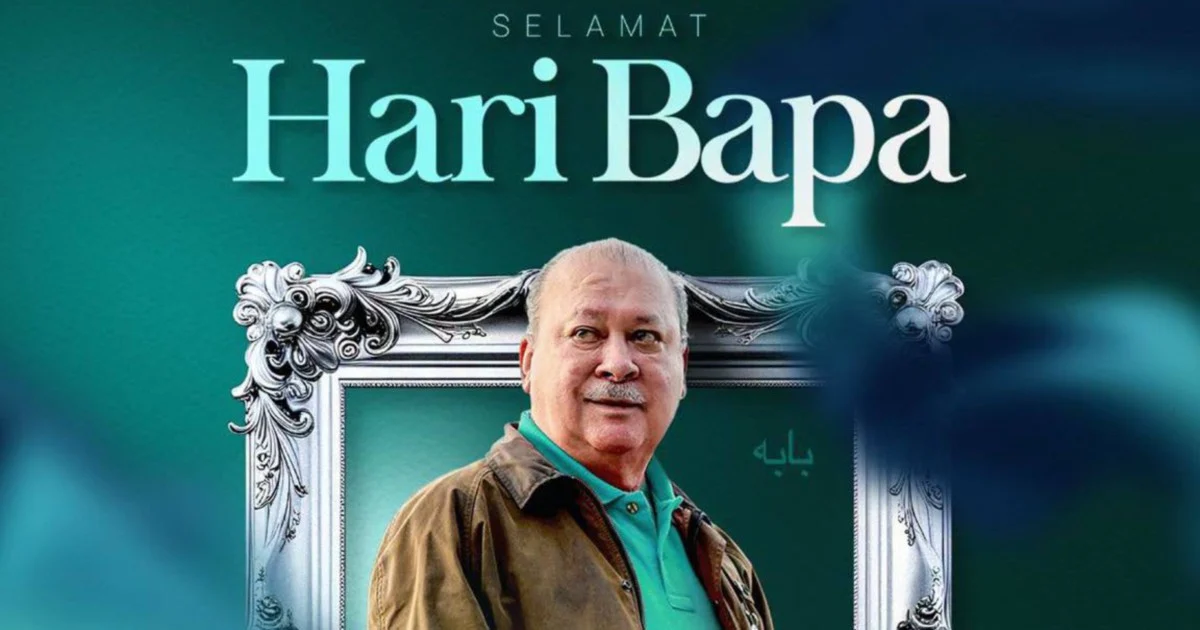
His Majesty Sultan Ibrahim, King of Malaysia, and Her Majesty Raja Zarith Sofiah, Queen of Malaysia, have joined millions of Malaysians in celebrating Father's Day by extending warm wishes to all paternal figures across the nation.
The royal couple's gesture underscores the important role that fathers play within Malaysian families and the broader social fabric. Father's Day, observed across much of the world, provides an annual occasion to recognise and appreciate the sacrifices and commitments that fathers make in nurturing and providing for their families. This year's royal acknowledgement reflects the monarchy's continued engagement with cultural and social occasions that resonate with citizens.
The King and Queen's participation in Father's Day observance carries particular significance within Malaysia's institutional framework. The royal family's involvement in national celebrations helps elevate the importance of such occasions within public consciousness, encouraging broader societal participation and reflection on family values. For many Malaysian families, such royal endorsements serve as validation of domestic and familial responsibilities.
Father's Day celebrations have become increasingly prominent in Malaysia over recent decades, despite the nation's diverse cultural and religious landscape. While observance practices may vary among different communities, the occasion has achieved near-universal recognition as a moment for expressing gratitude to paternal figures. Many Malaysian families mark the day through gift-giving, family gatherings, and quality time spent together.
The timing of the royal message demonstrates the monarchy's awareness of contemporary social rhythms and their commitment to maintaining connection with the general population. By acknowledging Father's Day publicly, the King and Queen participate in a tradition that reinforces family-centric values, which align with established Malaysian social priorities. This alignment between royal messaging and national values helps strengthen the institution's relevance and resonance among diverse Malaysian communities.
For Malaysian society, which has historically placed considerable emphasis on family structure and intergenerational relationships, such royal recognition carries weight beyond simple ceremonial observance. The acknowledgement serves to highlight fatherhood as an honoured social role deserving of celebration and acknowledgement, potentially encouraging men to embrace their familial responsibilities more fully and consciously.
The Queen's involvement alongside the King in extending Father's Day wishes represents a joint expression of royal sentiment. This shared participation emphasises family unity as a concept that transcends individual roles and encompasses collective appreciation for all household members' contributions. By jointly addressing the nation's fathers, the royal couple models the partnership and mutual respect expected within Malaysian family structures.
Such royal gestures, though brief in nature, serve important symbolic functions within a constitutional monarchy. They demonstrate that the institution remains attentive to the rhythms of national life and values its citizens' personal milestones and observances. For many Malaysians, particularly those who maintain strong connections to traditional notions of monarchy and state, receiving acknowledgement from their sovereign figures provides meaningful validation.
Father's Day observance across Malaysia reflects both global influences and locally adapted traditions. While the commercial dimensions of the celebration have grown substantially in recent years, with retailers capitalising on increased consumer spending, the underlying sentiment remains centred on familial appreciation and recognition. The royal couple's public message helps ground such observances in valued social principles rather than allowing them to become purely commercial exercises.
The King and Queen's Father's Day greetings also occur within the context of Malaysia's broader ongoing conversations about family values, social cohesion, and national identity. As the nation navigates various social challenges and demographic shifts, emphasising the importance of strong family structures and fulfilled parental roles represents a point of potential consensus across diverse communities. The monarchy's participation in such messaging reinforces these shared values at a national level.
Moving forward, such royal acknowledgements of significant social occasions help maintain continuity in national observances while demonstrating institutional responsiveness to citizen concerns and celebrations. For Malaysia's fathers, particularly those who feel their contributions may go underappreciated in increasingly complex modern societies, the recognition from their nation's sovereign represents a meaningful affirmation of their social importance and family value.