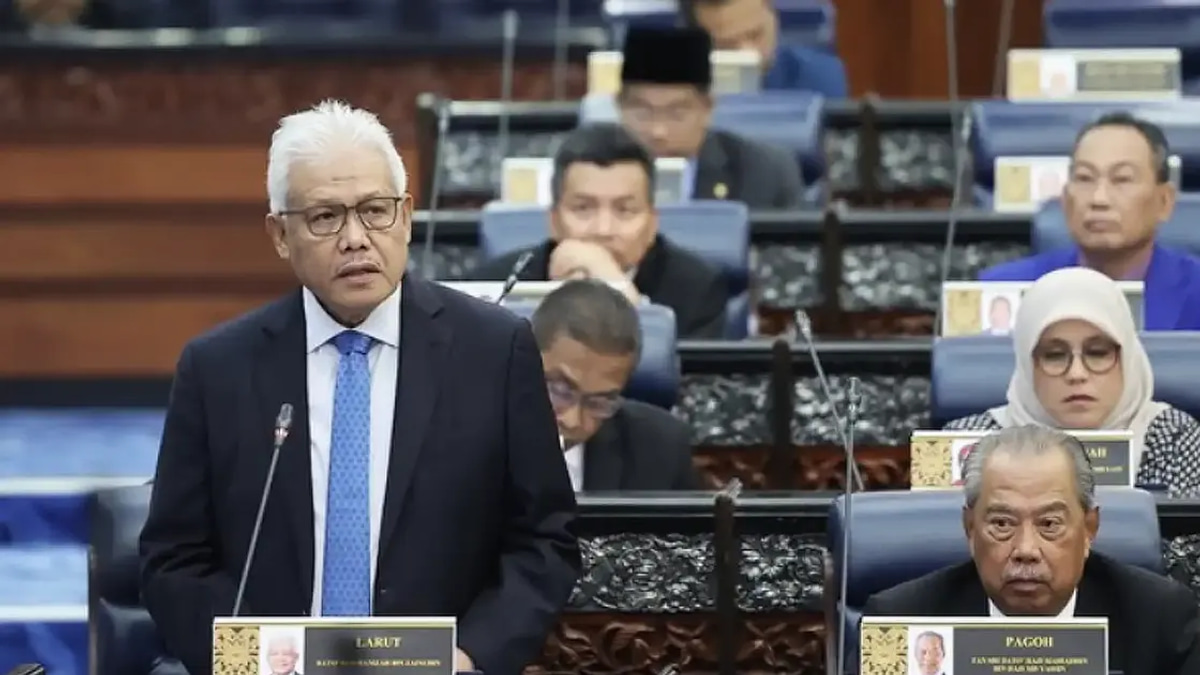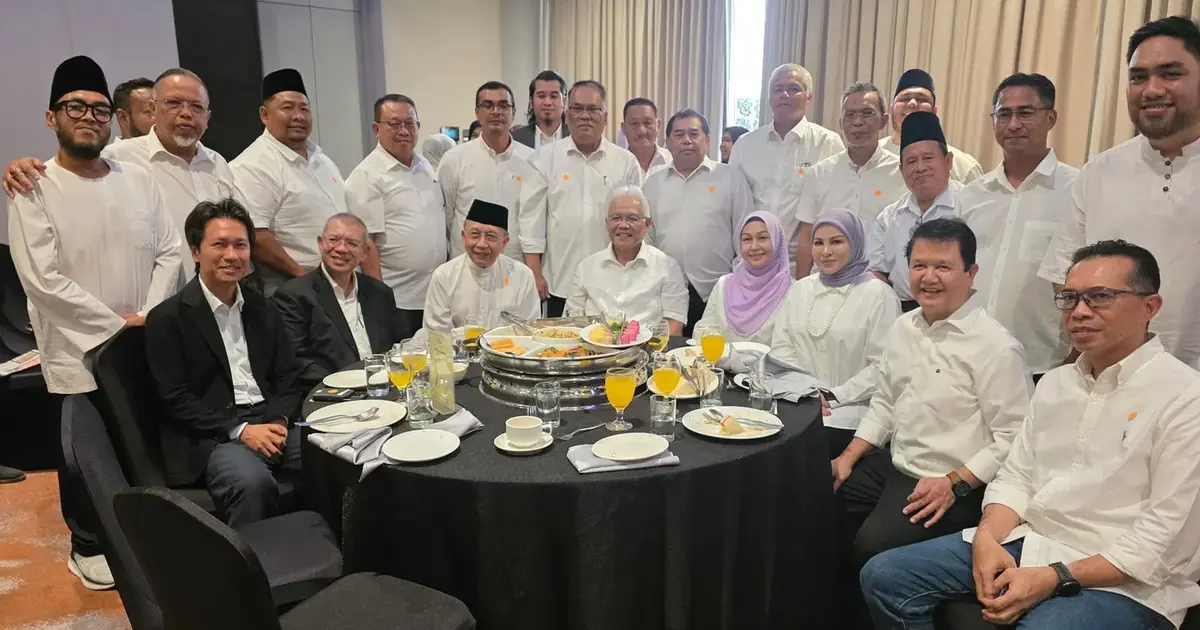
Hamzah Zainudin has taken on the presidency of Wawasan 927, a development that signals fresh leadership dynamics within the organization and underscores the continuing influence of experienced figures in Malaysian politics. The appointment slots him into a leadership structure that includes two other prominent political personalities, reflecting a deliberate strategy to combine institutional gravitas with active parliamentary representation.
Rais Yatim, whose political career spans decades and multiple ministerial portfolios, assumes the role of chairman. The veteran politician brings institutional memory and extensive contacts across Malaysia's political establishment, having served in various capacities that have positioned him as a respected elder statesman within the country's governance circles. His presence in this structural role suggests that Wawasan 927 is positioning itself to engage substantively with Malaysia's political and policy frameworks at a senior level.
Saifuddin Abdullah, who represents the Indera Mahkota constituency, serves as secretary-general in the new administration. As a sitting Member of Parliament, his appointment bridges the organization with active legislative work, ensuring that day-to-day parliamentary concerns and grassroots constituency matters can inform the organization's strategic directions. This combination of legislative experience with administrative responsibility creates a pathway for translating policy discussions into practical parliamentary advocacy.
The three-tier leadership structure reflects a common pattern in Malaysian political organizations, where titular heads, administrative officers, and active lawmakers share decision-making authority. This distribution of roles allows each leader to leverage their distinct strengths—whether historical standing, administrative capability, or current parliamentary platform—toward shared organizational objectives. Such arrangements often prove effective in maintaining institutional continuity while accommodating evolving political circumstances.
Wawasan 927's leadership renewal occurs within a broader context of political reorganization across Malaysia. Various organizations, think tanks, and political bodies have undergone leadership transitions in recent years as politicians and analysts seek to position themselves within shifting coalition alignments and policy debates. The appointment of Hamzah, Rais Yatim, and Saifuddin Abdullah suggests that this organization intends to play an active role in shaping Malaysia's political discourse and policy direction.
For Malaysian observers and political analysts, the composition of this leadership team carries implications regarding the organization's likely positioning on key national issues. The backgrounds and constituencies of the three leaders indicate potential areas of focus, whether constitutional matters, economic policy, inter-communal relations, or parliamentary reform. Their collective experience suggests that Wawasan 927 will likely engage with substantive governance questions rather than operating as a purely social organization.
The appointment also reflects broader patterns of how Malaysian political figures transition between parliamentary roles and organizational leadership. Many MPs and former ministers lead or participate in various think tanks, professional associations, and advocacy organizations, using these platforms to extend their influence beyond their constituencies or ministerial portfolios. Hamzah's ascension to the Wawasan 927 presidency follows this established pattern while adding another layer to his public roles and responsibilities.
For regional observers tracking Malaysian politics, such organizational developments offer windows into nascent political alignments and policy priorities. The collaboration between these three figures suggests certain shared perspectives or mutual support mechanisms that may influence their broader political activities. Southeast Asian analysts monitoring Malaysia's domestic political evolution often pay attention to these structural arrangements, as they frequently precede or accompany shifts in parliamentary coalitions or policy emphases.
The timing of this leadership announcement may also carry significance within Malaysia's political calendar. Whether occurring in advance of parliamentary sessions, state assembly developments, or preparations for future electoral cycles, such organizational changes often serve strategic purposes within Malaysia's complex political ecosystem. The appointment of individuals with parliamentary credentials and ministerial experience indicates that Wawasan 927 likely plans substantive engagement with government and opposition figures across multiple levels of Malaysia's federal and state governance structures.
Moving forward, stakeholders and interested observers will track how this leadership team guides the organization's initiatives and positions it within Malaysia's evolving political landscape. The combination of Hamzah's presidency, Rais Yatim's chairmanship, and Saifuddin Abdullah's administrative leadership creates a configuration that spans generational experience, established institutional relationships, and active parliamentary engagement. This comprehensive approach to organizational leadership suggests that Wawasan 927 envisions itself as a consequential player in Malaysian political discourse and policy formation, particularly during a period when the nation navigates complex economic, social, and constitutional questions.