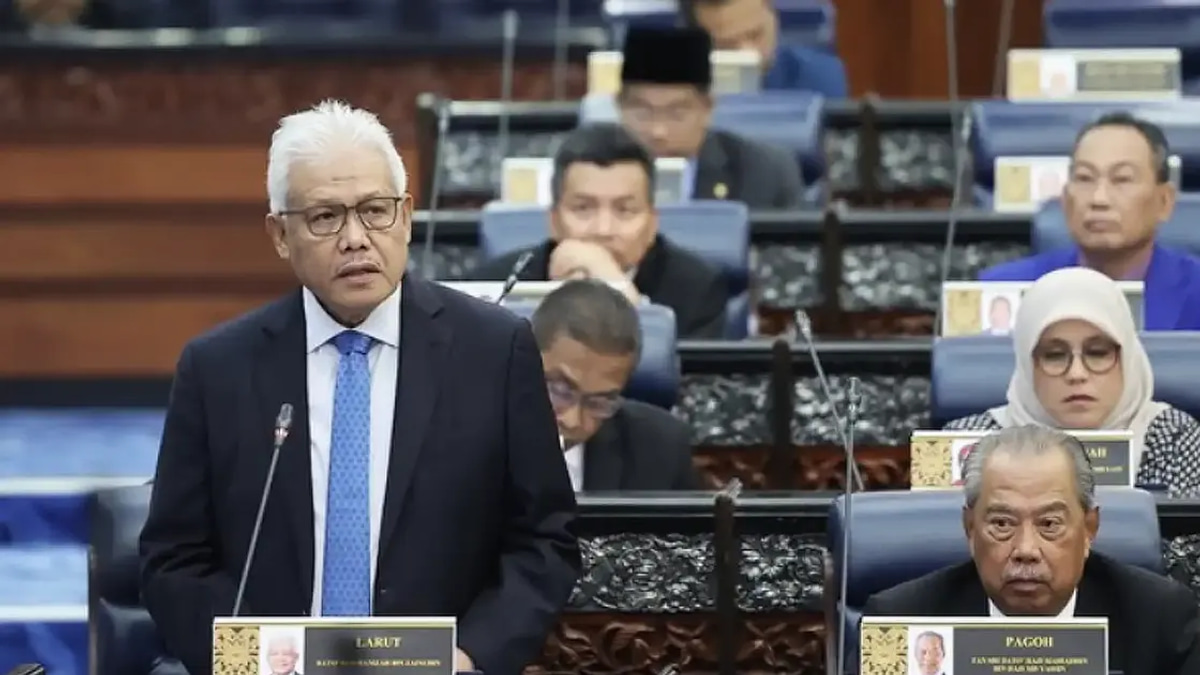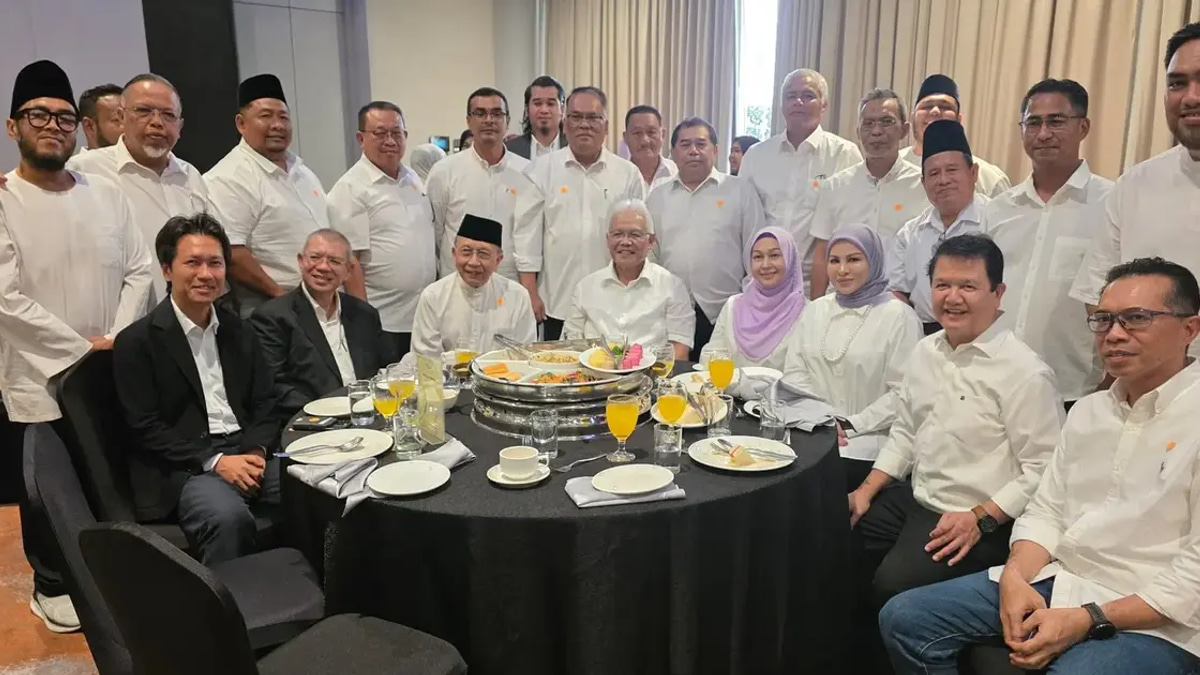
Malaysia's political landscape continues to undergo subtle but significant shifts as senior figures from both Pakatan Harapan and Umno have reportedly expressed interest in joining the Bersama coalition, according to statements by PKR deputy president Rafizi Ramli. The development suggests growing flexibility in how politicians view coalition boundaries and an emerging appetite for new political arrangements that cut across traditional alliance lines.
Bersama, which has long positioned itself as a platform for broader representation and cross-party dialogue, appears to be gaining traction among establishment politicians seeking alternative political homes or expanded influence. The coalition's appeal lies partly in its broader framework that can accommodate members from different political backgrounds without requiring them to abandon their existing party affiliations in some cases. This distinction makes it attractive to leaders looking to hedge their political bets or explore new networks without making irreversible commitments.
The interest from Pakatan Harapan members reflects considerations about the opposition coalition's long-term viability and internal cohesion. Since the 2022 general election, Pakatan Harapan has faced persistent questions about unity among its constituent parties—particularly between PKR, DAP, and Amanah—and whether its current structure remains the most effective vehicle for political advancement. Some leaders may view Bersama membership as a way to strengthen their individual positioning or secure influence in emerging political configurations.
Umno's concurrent interest in Bersama is equally noteworthy given the party's recent political trajectory. Once the dominant force in Malaysian politics through Barisan Nasional, Umno has spent recent years navigating post-Mahathir complexities and redefining its coalition partnerships. Exploration of Bersama membership by Umno figures suggests the party is not entirely committed to any single coalition model and remains open to fluid arrangements that might improve its prospects or influence.
The involvement of figures from historically rival camps in the same coalition underscores how Malaysian politics has become increasingly transactional and personality-driven rather than ideologically rigid. Politicians increasingly view coalition membership not as absolute loyalty statements but as strategic positioning tools that can be adjusted based on political winds. This pragmatism reflects the fractured nature of Malaysian parliamentary arithmetic, where stable majorities require constant negotiation and realignment.
Bersama's growth could have implications for federal and state-level governance. If the coalition successfully recruits significant numbers from both government and opposition camps, it could emerge as a meaningful third force or kingmaker in parliament. Such positioning would be particularly relevant at the state level, where coalition dynamics often differ from federal arrangements and where individual representatives exercise greater leverage in government formation negotiations.
The timing of these explorations is significant given that Malaysia faces potential electoral contests within the next two years. Early positioning in alternative coalitions before elections are called allows politicians to signal independence from their current parties or to secure better negotiating positions within their existing alliances. Leaders might use Bersama membership as evidence of their individual political capital and appeal beyond their party bases.
For Bersama itself, successfully attracting members from opposing coalitions validates its founding philosophy of being a genuinely cross-partisan platform. However, managing a coalition with members from Pakatan Harapan and Umno simultaneously presents obvious challenges. Internal tensions could emerge over policy positions, resource allocation, or perceived favoritism toward specific member parties. The coalition would need robust governance structures to prevent fragmentation.
The developments also reflect broader patterns in Southeast Asian politics where traditional alliances have become unstable and new configurations emerge regularly. Thailand's political realignments, Indonesia's coalition fluidity, and the Philippines' shifting presidential alliances demonstrate that once-solid political structures are giving way to more dynamic arrangements. Malaysia appears to be following this regional trend, though its constitutional monarchy and Westminster parliamentary system provide more institutional stability than some neighbours.
For ordinary Malaysians, these realignments raise questions about political consistency and accountability. If leaders and parties frequently shift coalition memberships based on calculations about power and influence rather than principle or policy, voters may struggle to maintain coherent political preferences or understand what parties genuinely stand for. The proliferation of coalitions and cross-coalition memberships risks making Malaysian politics increasingly opaque to the electorate.
Refini's public acknowledgment of these explorations is itself noteworthy, as it demonstrates confidence that such movements can be discussed openly without triggering immediate internal party crises. This suggests that coalition fluidity has become accepted enough in contemporary Malaysian politics that exploratory conversations are viewed as normal rather than exceptional. The normalization of such discussions indicates how far Malaysian politics has evolved from earlier era when party discipline and coalition loyalty were far more rigidly enforced.
Moving forward, the success of these Bersama membership explorations will likely depend on whether the coalition can offer genuine benefits to joining members—whether improved electoral prospects, policy influence, or simply expanded networking opportunities. If Bersama remains primarily a talking shop without meaningful parliamentary leverage or resource distribution, interest from major politicians will probably fade. Conversely, if the coalition successfully aggregates members across traditional divides and demonstrates concrete political utility, it could reshape Malaysian coalition politics significantly in coming years.