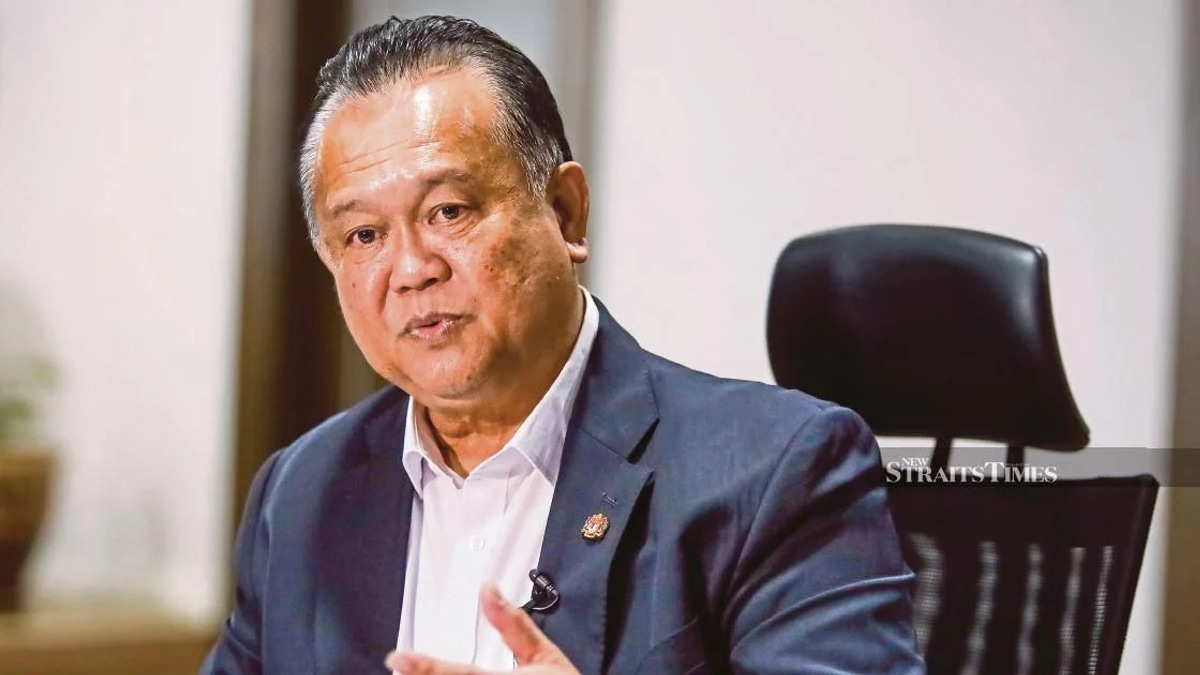
Dewan Rakyat Speaker Johari Abdul has revealed that Muhyiddin Yassin approached him requesting a change in his parliamentary seating position, marking a notable shift in the former prime minister's positioning within the Lower House. The speaker's disclosure comes amid ongoing political realignments that have characterised Malaysia's fractious political landscape in recent months.
While Johari Abdul did not elaborate on the specifics of Muhyiddin's request or the reasons cited for the change, such moves typically reflect broader strategic considerations within parliamentary blocs. Seat arrangements in the Dewan Rakyat carry symbolic weight, signalling shifts in political alliances and factional standings within parties and coalitions. For a figure of Muhyiddin's stature as former prime minister and long-serving politician, any repositioning would likely carry implications for his standing within his party and his role in parliamentary proceedings.
The timing of Muhyiddin's request coincides with a period of significant political reconfiguration in Malaysian politics. The country has witnessed multiple realignments among political factions, with MPs and parties frequently shifting their allegiances and support bases. These movements have reshaped the composition and dynamics of both the government and opposition benches, creating a fluid parliamentary environment where traditional bloc alignments have become increasingly fragile.
Muhyiddin's background as a controversial political figure adds another layer to the significance of his seat change request. His tenure as prime minister during the Covid-19 pandemic proved divisive, and his political trajectory since then has involved navigating complex relationships with multiple coalition partners. His current positioning within parliament and within his own party structure has been a subject of ongoing political speculation and analysis.
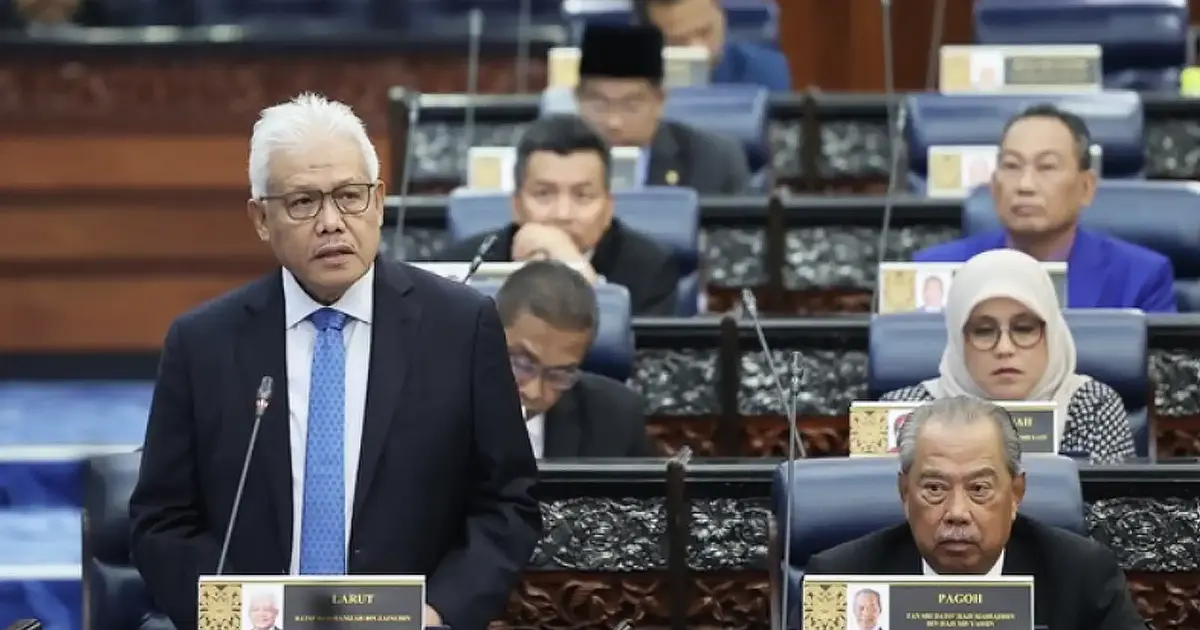
In parallel with confirming Muhyiddin's request, Speaker Johari Abdul has formally verified the receipt of official documentation designating Hamzah Zainudin, the Member of Parliament for Larut, as the opposition leader. This confirmation provides institutional clarity to what has been an evolving situation within the opposition coalition. The opposition leader position carries substantial parliamentary authority and responsibility, including the right to lead parliamentary questioning and set the tone for opposition scrutiny of government policies and actions.
Hamzah Zainudin's assumption of the opposition leadership role marks a significant moment in the opposition's structural development. As a seasoned parliamentarian representing the Larut constituency, Hamzah brings experience and established credibility within legislative proceedings. His appointment signals the opposition's organisational capacity and willingness to establish clear leadership hierarchies, essential for effective parliamentary oversight and coordination of legislative strategy.
The formal letter received by the speaker regarding Hamzah's leadership position represents the opposition's effort to institutionalise its administrative structure in accordance with parliamentary norms and conventions. Such formal documentation ensures that all parliamentary proceedings and protocols properly recognise the designated leadership, facilitating smoother legislative operations and ensuring that opposition prerogatives are correctly exercised.
These developments reflect the ongoing structural adjustments within Malaysia's parliamentary system as political forces continue to recalibrate their positions. The Dewan Rakyat, as the nation's primary legislative chamber, remains the arena where these political realignments play out most visibly. Seating arrangements, leadership positions, and parliamentary protocols all serve as indicators of the broader power dynamics at play within Malaysian politics.
For Malaysian observers and political analysts, these changes underscore the fluidity of contemporary Malaysian politics, where traditional party structures and coalitions face constant pressure from internal dissent and factional competition. The parliament's composition and the alignment of its members continue to shift in response to evolving political interests and strategic calculations among various players across the political spectrum.
The speaker's role in facilitating and documenting these arrangements underscores the importance of institutional processes in maintaining parliamentary order and transparency. By publicly confirming both Muhyiddin's seat change request and Hamzah Zainudin's official designation as opposition leader, Speaker Johari Abdul has provided clarity on these procedural matters, helping to establish a clearer understanding of the current parliamentary landscape.
Looking forward, these developments suggest continued evolution within Malaysia's political structures as parties and personalities adapt to shifting circumstances. The parliament will remain the critical venue for both government implementation of policies and opposition articulation of alternative visions for national direction. How these recent changes influence parliamentary dynamics and legislative outcomes remains to be seen as the political cycle progresses.
%22%2F%3E%3C%2Fpattern%3E%3C%2Fdefs%3E%3Crect%20width%3D%22100%25%22%20height%3D%22100%25%22%20fill%3D%22url(%23ph4lbahg)%22%2F%3E%3Crect%20width%3D%22100%25%22%20height%3D%22100%25%22%20fill%3D%22url(%23ph4lbahp)%22%2F%3E%3Ctext%20x%3D%2250%25%22%20y%3D%2250%25%22%20text-anchor%3D%22middle%22%20dominant-baseline%3D%22central%22%20fill%3D%22rgba(255%2C255%2C255%2C0.95)%22%20font-family%3D%22Georgia%2C%20'Times%20New%20Roman'%2C%20serif%22%20font-weight%3D%22700%22%20font-size%3D%22320%22%20letter-spacing%3D%22-0.02em%22%3EMuda%3C%2Ftext%3E%3C%2Fsvg%3E)
%22%2F%3E%3C%2Fpattern%3E%3C%2Fdefs%3E%3Crect%20width%3D%22100%25%22%20height%3D%22100%25%22%20fill%3D%22url(%23ph3rickg)%22%2F%3E%3Crect%20width%3D%22100%25%22%20height%3D%22100%25%22%20fill%3D%22url(%23ph3rickp)%22%2F%3E%3Ctext%20x%3D%2250%25%22%20y%3D%2250%25%22%20text-anchor%3D%22middle%22%20dominant-baseline%3D%22central%22%20fill%3D%22rgba(255%2C255%2C255%2C0.95)%22%20font-family%3D%22Georgia%2C%20'Times%20New%20Roman'%2C%20serif%22%20font-weight%3D%22700%22%20font-size%3D%22272%22%20letter-spacing%3D%22-0.02em%22%3EHeavy%3C%2Ftext%3E%3C%2Fsvg%3E)