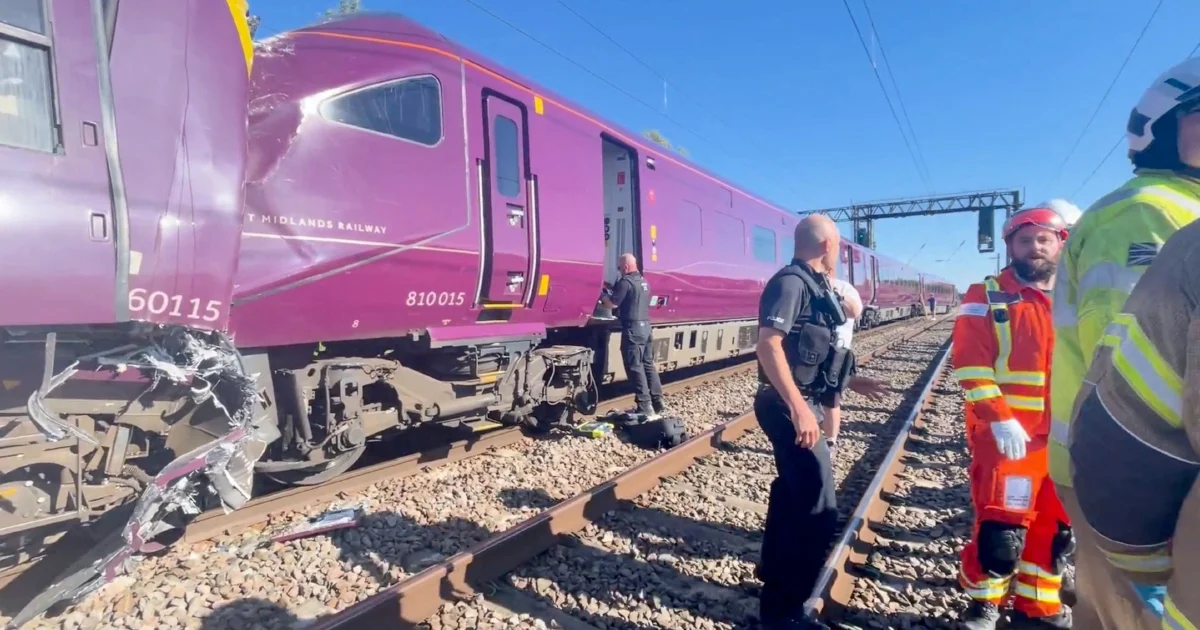
A catastrophic collision between two passenger trains north of London on Friday has resulted in one fatality and left numerous travellers with injuries ranging from minor to critical, emergency responders reported. The accident occurred during morning commute hours, with emergency services mounting a significant response to manage the immediate aftermath and coordinate patient transfers across multiple healthcare facilities in the region. Among those injured, eleven individuals sustained injuries classified as "very serious," raising immediate concerns about the long-term health implications for affected passengers and prompting intensive investigation into the cause of the incident.
The collision marks a stark reminder of the inherent risks present in rail transportation systems, despite decades of technological advancement and safety improvements across European networks. Train accidents of this magnitude remain relatively uncommon in the UK, where the rail infrastructure has undergone substantial modernisation and regulatory oversight in recent decades. However, when such incidents do occur, they typically trigger widespread scrutiny of operational procedures, signalling systems, and maintenance protocols that are meant to prevent such catastrophic failures.
Emergency response teams, including paramedics, firefighters, and rescue personnel, descended upon the collision site to coordinate evacuation efforts and provide immediate medical attention to the injured. The coordination between multiple emergency services during such mass-casualty incidents requires precise communication and resource allocation, with hospitals across the region notified to prepare for incoming patients requiring varying levels of surgical and trauma care. The scale of the response demonstrates the robust emergency management systems established within the UK following lessons learned from previous transport accidents.
The identity of the deceased passenger and detailed circumstances surrounding the collision remained subject to ongoing investigation by the UK's transport regulator and accident investigation authorities. Such inquiries typically consume weeks or months of intensive examination of train operation records, communication logs between control centres and drivers, weather conditions, infrastructure maintenance histories, and mechanical inspection data. The thoroughness of these investigations serves not only to determine causation but to identify systemic vulnerabilities that might require regulatory intervention across the wider rail network.
For Malaysian readers and those across Southeast Asia, this incident carries particular resonance given the ongoing expansion of high-speed rail infrastructure and commuter rail systems throughout the region. Countries including Malaysia, Thailand, Singapore, and Indonesia are investing heavily in rail capacity expansion, yet the human and financial costs of operational failures underscore the critical importance of rigorous safety protocols, regular maintenance, and robust training programmes for personnel responsible for rail operations. The UK incident serves as a cautionary example of how even mature, heavily-regulated transportation systems must remain vigilant against complacency.
The timing of this accident coincides with broader discussions within Europe regarding passenger safety standards and the adequacy of investment in rail infrastructure modernisation. Many European rail networks have operated continuously for over a century, creating a complex challenge of maintaining aging infrastructure while accommodating increased passenger volumes. This tension between legacy systems and contemporary demand mirrors challenges facing rapidly developing nations in Southeast Asia that are constructing contemporary networks but must plan for decades of reliable operation.
The collision will inevitably prompt comprehensive reviews of operational procedures at the responsible train operating company, with particular attention to driver training, fatigue management protocols, and the functionality of automated safety systems designed to prevent train-to-train collisions. Modern passenger trains typically incorporate sophisticated warning systems and automatic braking mechanisms intended to intervene when human operators miss critical signals or misjudge distances. Any failure of such systems to function as designed would represent a significant safety concern requiring immediate rectification.
Investigators will examine whether weather conditions, including possible fog or rain that could have impaired visibility, contributed to the incident. The condition of railway tracks, including potential maintenance issues or misalignment, will be scrutinised alongside the operational and maintenance histories of both trains involved. Signal box records will be analysed to determine whether appropriate spacing was maintained between trains and whether drivers received proper warnings through the train control and warning systems.
The psychological impact on survivors and families of those injured extends beyond the immediate physical injuries sustained in the collision. Trauma resulting from transport accidents often generates persistent anxiety among commuters and can deter rail use in affected regions, creating knock-on effects for transportation patterns and public confidence in rail safety. Mental health services and counselling support typically form essential components of the comprehensive response to major transport accidents in the UK and across Europe.
For rail operators and regulators across Southeast Asia currently building or expanding their passenger networks, this incident reinforces the importance of learning from international best practices and establishing rigorous safety cultures from the outset. Investment in modern signalling systems, comprehensive driver training programmes, and regular infrastructure maintenance protocols, while requiring significant capital expenditure, ultimately prove far less costly than the human and financial consequences of preventable accidents.