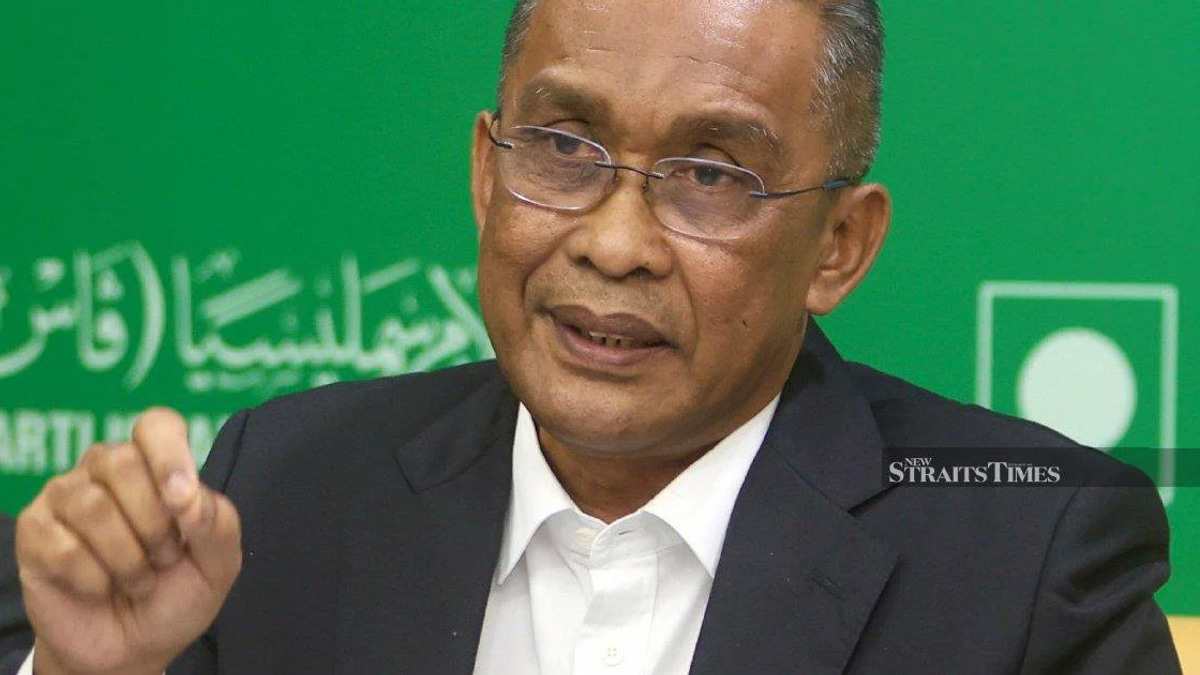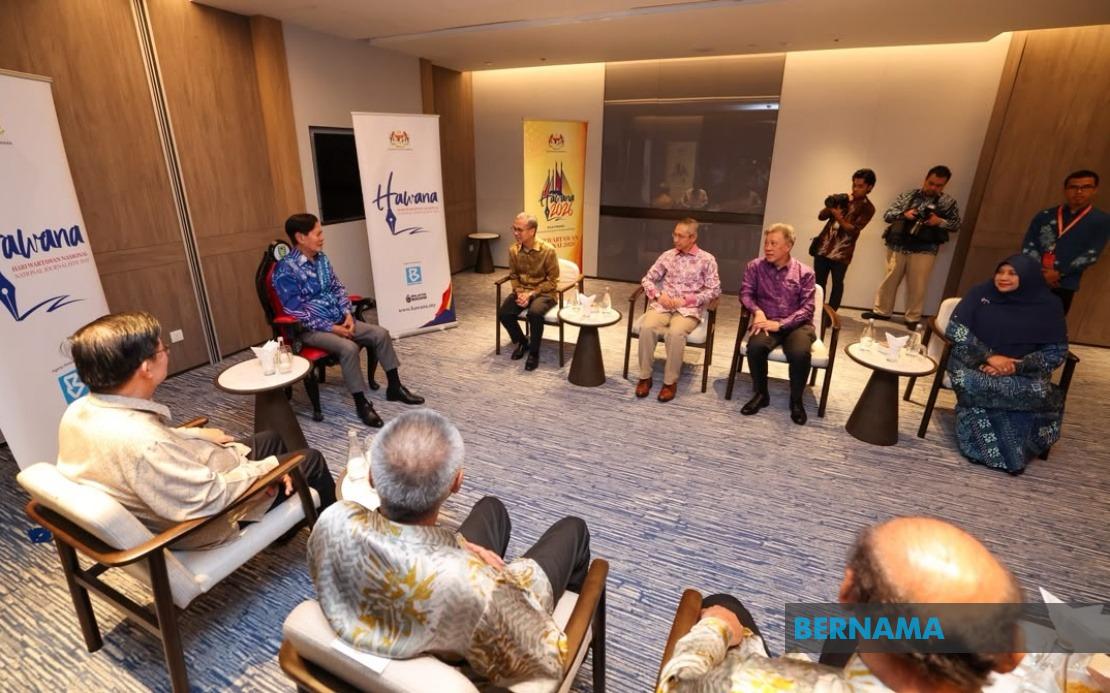
Communications Minister Datuk Fahmi Fadzil has called for enhanced cross-border cooperation among media organisations throughout Southeast Asia, framing coordinated action against misinformation as essential to regional stability. Speaking at a government dinner in Butterworth honouring the National Journalists' Day (HAWANA) 2026 celebration alongside Penang Governor Tun Ramli Ngah Talib, Fahmi outlined the critical role that trusted journalism plays in navigating an increasingly complex information landscape where false narratives proliferate with unprecedented speed.
The minister emphasised that journalism remains a foundational institution for democratic societies, functioning as a vital conduit between policymakers and the public while simultaneously holding power accountable. His remarks underscore a growing recognition within Malaysian government circles that individual nations cannot effectively counter misinformation in isolation, particularly given the borderless nature of digital information flows that characterise modern media consumption across the ASEAN region.
Fahmi articulated a vision where media institutions across the ten ASEAN member states deepen their knowledge-sharing arrangements and exchange operational best practices. This collaborative framework, he suggested, would strengthen the profession's capacity to verify information, identify coordinated disinformation campaigns, and establish shared standards for ethical reporting. The proposal reflects international trends, as countries from the Philippines to Indonesia have grappled with the destabilising effects of false information during elections and periods of social tension.
The minister positioned the HAWANA 2026 celebration as more than a ceremonial acknowledgment of journalists' contributions. Instead, he framed it as a platform for reinforcing the commitment to professionalising journalism during an era marked by technological disruption, economic pressures on traditional media, and the proliferation of unverified information on social platforms. This positioning suggests Malaysia intends to position itself as a thought leader on regional media standards and cooperation.
Penang's hosting of the HAWANA 2026 event carries symbolic weight, given the state's historical significance in Malaysia's media landscape and its positioning as a progressive administrative hub. Fahmi's acknowledgment of the state government's support underscores how Malaysian federal and state authorities increasingly recognise media development as integral to governance quality. The presence of Penang Chief Minister Chow Kon Yeow alongside federal officials signals alignment on this priority.
The attendance of representatives from ASEAN Communications Ministers at the event indicates that the collaboration theme extends beyond rhetorical commitment. These ministers collectively oversee media policy frameworks across the region, positioning them to facilitate institutional cooperation among broadcasters, news agencies, and press councils. The involvement of Malaysian National News Agency (Bernama) leadership, including chairman Datuk Seri Wong Chun Wai and CEO Datin Paduka Nur-ul Afida Kamaludin, suggests that state-owned media institutions may serve as anchors for regional coordination efforts.
Fahmi's framing of media as a "bridge" connecting stakeholders and as the "lifeblood" of informed societies reflects a departure from more adversarial government-media relations historically common in parts of Southeast Asia. This language suggests Malaysia is embracing a collaborative model where government, media, and civil society work toward shared objectives, though questions remain about how editorial independence will be protected within such frameworks.
The challenge of combating misinformation has become particularly acute across ASEAN, where rapid digitalisation has created mass audiences for online content while fact-checking infrastructure remains underdeveloped in several countries. Malaysian media organisations, benefiting from relatively mature institutional structures, could potentially export expertise and frameworks to support counterparts in less-resourced environments, while simultaneously learning from diverse approaches to media regulation and professional standards across the region.
The timing of these calls for collaboration reflects broader anxieties about information integrity during a period of geopolitical tension and rapid technological change in Southeast Asia. As artificial intelligence generates increasingly sophisticated false content, the human expertise embedded in professional journalism becomes more valuable, yet the economic model sustaining quality journalism continues deteriorating. Fahmi's emphasis on strengthening regional partnerships implicitly acknowledges that journalism's survival depends on institutional cooperation rather than purely market-driven competition.
Moving forward, the concrete realisation of these aspirations will depend on translating ministerial rhetoric into operational mechanisms. This could involve establishing formal protocols for sharing fact-checking resources, developing shared training curricula for journalists tackling disinformation, or creating regional rapid-response networks that mobilise expertise when false narratives threatening public safety emerge. Malaysian media institutions, particularly Bernama as the national news agency, appear positioned to facilitate such coordination.
The gathering in Penang also reflected how national media observances increasingly incorporate regional dimensions, acknowledging that journalism operates within interconnected information ecosystems where events in one country rapidly spread across borders. Journalists in Malaysia, Thailand, Vietnam, and the Philippines face common challenges in verifying information, securing sources, and maintaining editorial standards amid economic pressures and political scrutiny. Regional collaboration frameworks could help address these shared challenges while respecting national sovereignty and editorial independence.