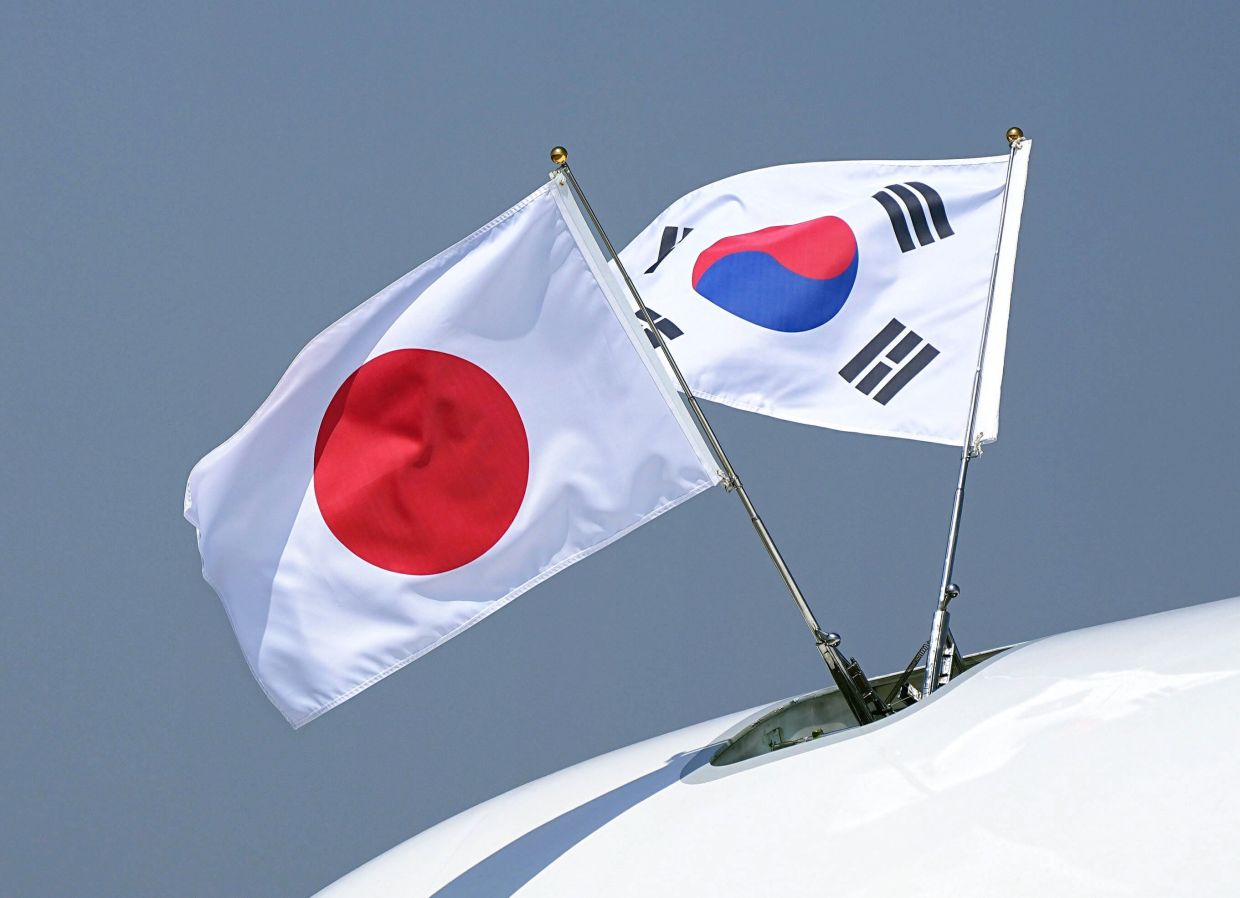
Japanese and South Korean strategic elites firmly oppose their nations acquiring nuclear weapons today, but this consensus could evaporate in minutes if either country's neighbour takes the plunge first. That unsettling conclusion emerges from a comprehensive survey of government officials, lawmakers, academics and business leaders conducted by the Center for Strategic and International Studies, a Washington-based research institution, with findings unveiled on Thursday.
The research, directed by Victor Cha and Kristi Govella at CSIS, captures a striking divergence between what Asia's most influential decision-makers currently believe and what might happen under changed circumstances. Of South Korean respondents, 75 per cent expressed opposition or ambivalence about acquiring nuclear warheads; in Japan, nearly 80 per cent held similar reservations. Yet these figures mask a fragile equilibrium, one that hinges entirely on the assumption that the status quo persists.
The potential consequences of this instability extend well beyond Northeast Asia's borders. Experts at CSIS described the fallout from one nation going nuclear as potentially more destabilising than a significant withdrawal of American military forces in the region, a scenario long feared as an erosion of the security architecture underpinning the entire peninsula and the broader Indo-Pacific. Such a shift would fundamentally reshape the nuclear calculus that has defined the region for decades.
Public opinion in South Korea complicates the picture considerably. A 2024 survey commissioned by the Chey Institute for Advanced Studies and executed by Gallup found that more than 72 per cent of ordinary South Koreans backed nuclear armament for their country. This 75-percentage-point gap between elite scepticism and public enthusiasm reflects profound anxiety about North Korea's expanding arsenal and suggests that if Seoul's leaders decided to pursue the bomb, domestic resistance would be minimal. By contrast, Japan displays no such elite-public schism; around 80 per cent of the Japanese population similarly opposes nuclear weapons, and Govella noted that Western media coverage has exaggerated the genuine momentum among Japanese policymakers toward nuclear acquisition.
When survey respondents who favoured nuclear weapons explained their reasoning, geographic and strategic concerns dominated their answers. South Koreans centred their arguments on countering the immediate threat from Pyongyang, while Japanese respondents prioritised concerns about the durability of Washington's extended security guarantee. This distinction matters enormously because it reveals different trigger points for each nation's potential reversal of current policy.
Washington has been actively reinforcing its security commitments to both allies through high-level diplomatic channels. Earlier this month, the US convened bilateral meetings in Seoul to advance nuclear cooperation initiatives with South Korea, followed by an extended deterrence dialogue in Tokyo with Japan. These efforts signal American determination to shore up the confidence that currently prevents Seoul and Tokyo from pursuing independent nuclear deterrents.
Meanwhile, the strategic environment continues to shift rapidly. Brandon Williams, under secretary for nuclear security at the Department of Energy and administrator of the National Nuclear Security Administration, declared on Thursday at the Hudson Institute that the United States must substantially accelerate its own nuclear weapons production to counter rising threats. Williams announced that his agency plans to invest US$600 million in artificial intelligence this year alone to drive the modernisation of nuclear design and manufacturing, with the goal of compressing the current 10- to 15-year timeline from identifying a military requirement to deploying an operational system.
This American acceleration raises questions about extended deterrence guarantees. Some CSIS experts have suggested that Washington should reconsider its policy of arming hypersonic missiles exclusively with conventional warheads, arguing instead that nuclear-armed hypersonic systems should form part of the Pentagon's response arsenal. Heather Williams, director of CSIS's nuclear issues project, contended that such a diversified posture would enhance credibility in the eyes of adversaries while simultaneously reassuring allies that American protection remains credible. Her reasoning echoes the CSIS survey's core finding: assured allies, confident in American resolve and capability, are markedly less inclined to pursue independent nuclear forces.
Beijing's role in this equation cannot be overlooked. China has repeatedly characterised Japan's military modernisation as "remilitarisation," particularly regarding perceived moves toward nuclear weapons development. These accusations, whether grounded in fact or inflated, influence Japanese domestic debate and complicate Tokyo's calculations about future security needs. Washington has simultaneously pressed Beijing to join multilateral negotiations on arms control, a request China has consistently rebuffed. Beijing maintains that it will not participate in bilateral agreements that constrain its nuclear arsenal while other powers retain larger arsenals.
The architecture of deterrence in Northeast Asia ultimately rests on the belief among Japanese and South Korean elites that the current arrangement, underwritten by American power and reassurance, serves their security interests adequately. The CSIS survey demonstrates that this consensus endures—for now. Yet the research simultaneously warns policymakers in Washington and allied capitals that this equilibrium is brittle. Should one domino fall, the cascade could unfold at breathtaking speed, potentially overwhelming the stabilising role that extended deterrence has played for the better part of seven decades.