Malaysia is fortifying its standing within the international energy marketplace by cultivating partnerships with principal energy-producing nations, according to Prime Minister Datuk Seri Anwar Ibrahim, who highlighted the nation's commitment to guaranteeing long-term energy security during remarks in Bintulu.
The emphasis on energy partnerships reflects Malaysia's strategic positioning as both a significant energy consumer and a substantive producer in Southeast Asia. With growing regional demand and global energy volatility affecting supply chains, the government has prioritized securing reliable energy sources through diplomatic engagement with key suppliers. This approach acknowledges Malaysia's dependence on imported energy resources whilst capitalising on its own oil and gas reserves to balance the equation.
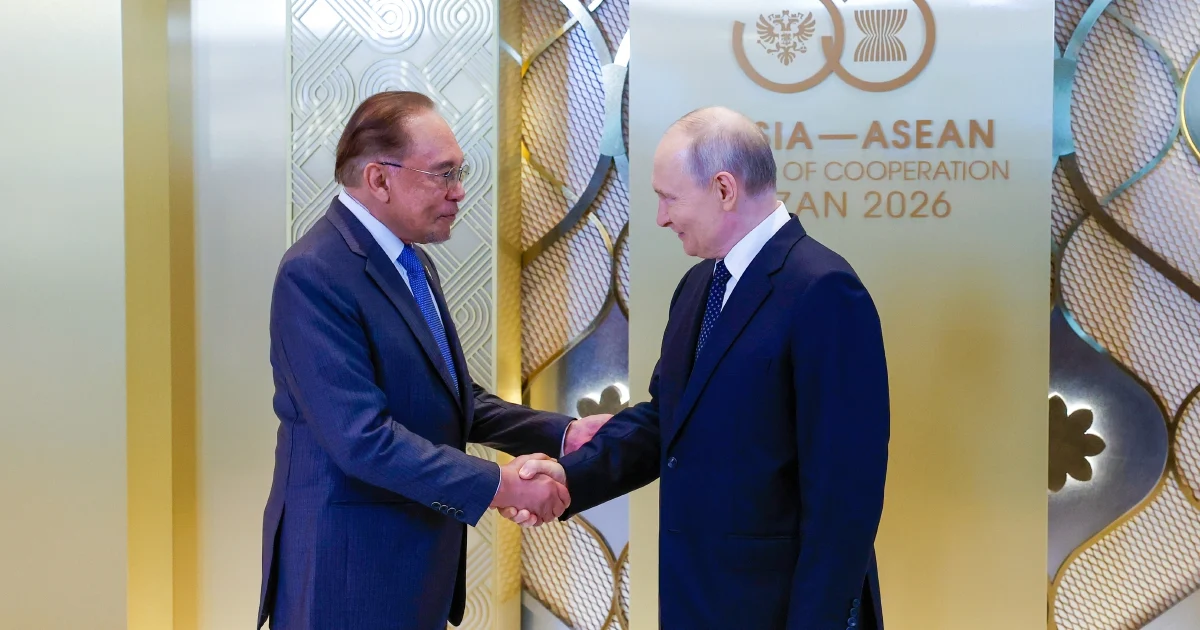
Russian President Vladimir Putin has conveyed assurances regarding sustained energy provision to Malaysia, signalling Moscow's willingness to deepen cooperation within the energy sector. Such commitments from major producing nations are strategically significant given the unpredictable nature of global commodity markets and geopolitical tensions that periodically disrupt conventional energy routes and arrangements.
For Malaysia, energy security intersects directly with economic stability and development objectives. The nation's manufacturing base, petrochemical industries, and power generation infrastructure all depend on reliable energy access. Diversifying supply sources and establishing long-term contracts with multiple partners reduces vulnerability to supply shocks and price volatility that can cascade through the domestic economy.
The strategic rationale behind cultivating energy partnerships extends beyond immediate supply considerations. These relationships often encompass technology transfer, joint development projects, and investment opportunities that can enhance Malaysia's industrial capabilities. Russian expertise in hydrocarbon extraction and liquefied natural gas processing, for instance, could inform Malaysian operations and create collaboration opportunities beneficial to both nations.
Geopolitically, Malaysia's approach reflects the broader regional strategy of maintaining non-aligned relationships and avoiding excessive dependence on any single supplier or bloc. Southeast Asian nations historically pursue balanced foreign policies, and energy partnerships demonstrate this principle in practice. By engaging with diverse suppliers including Russia, the Middle East, and regional producers, Malaysia preserves negotiating flexibility and reduces the leverage any single partner might exert.
The Bintulu announcement carries particular resonance given that region's significance to Malaysia's energy infrastructure. The Petronas facilities in Sarawak represent critical assets for liquefied natural gas production and export, making the state a cornerstone of national energy operations. Statements regarding energy security from this location underscore the government's attention to maintaining operational continuity and investment protection at these strategically vital installations.
Regional energy cooperation patterns are shifting as major consumers seek to diversify dependencies and establish bilateral arrangements. Malaysia's engagement with Russia occurs within this broader context of Southeast Asian nations recalibrating energy relationships to reflect contemporary geopolitical realities. Unlike European nations facing Russian energy sanctions, Malaysia maintains pragmatic energy relationships whilst pursuing broader strategic interests.
The commitment to long-term energy supply arrangements addresses both current needs and future demand projections. Malaysia anticipates increasing energy consumption driven by population growth, industrial expansion, and rising living standards. Securing commitments from reliable suppliers now provides the foundation for managing this anticipated demand whilst avoiding future shortages or price shocks that could impede economic development.
Energy security considerations permeate broader questions about Malaysia's development trajectory. Manufacturing competitiveness, food security through energy-intensive agriculture, and transition towards renewable energy all depend on managing the current energy equation effectively. Strategic partnerships enable Malaysia to maintain stability whilst investing in infrastructure and technology for future energy transitions.
The diplomatic emphasis on energy partnerships also reflects recognition that energy markets operate within political frameworks. Securing government-to-government commitments provides greater stability than relying solely on commercial arrangements, which can be subject to sudden disruption due to international sanctions, corporate decisions, or supply chain interruptions.
Looking ahead, Malaysia's energy strategy must balance immediate supply security with longer-term sustainability imperatives. While fossil fuel partnerships remain essential for near-term stability, the nation is simultaneously pursuing renewable energy development and exploring emerging technologies. This dual approach allows Malaysia to honour existing commitments and economic relationships whilst preparing for energy transition scenarios increasingly demanded by environmental considerations and global market trends.