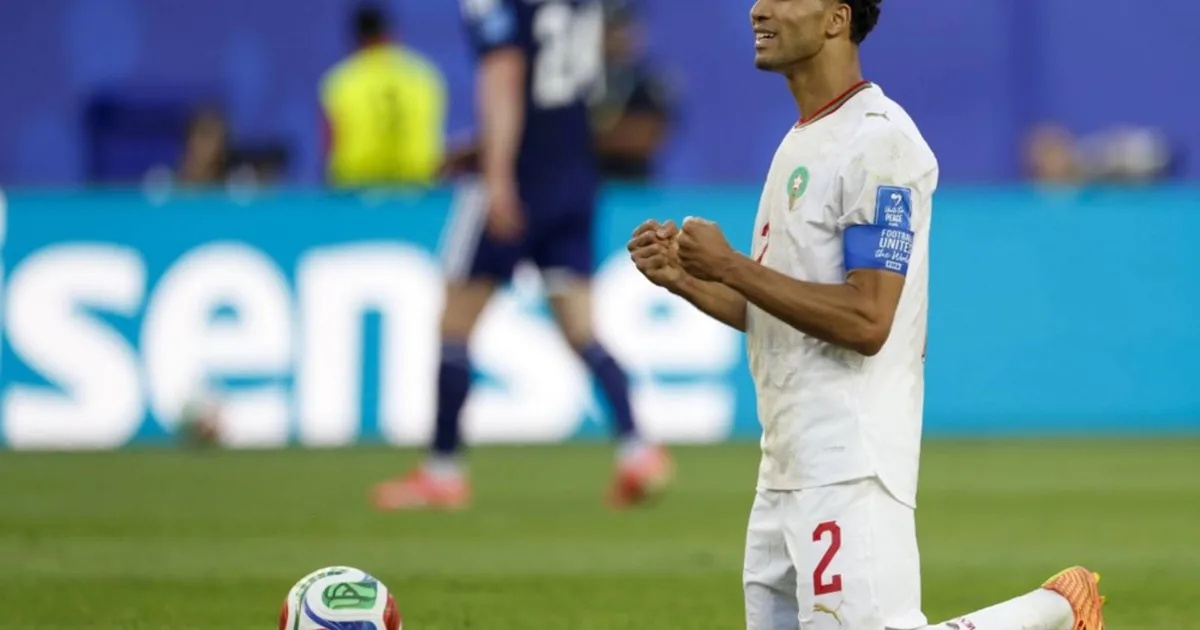
Achraf Hakimi is maintaining emotional equilibrium as he confronts allegations of sexual assault in the French capital, according to Morocco's coaching staff, who have monitored the PSG defender's well-being throughout the unfolding legal situation. The Paris Saint-Germain right-back has consistently refuted claims made by a 24-year-old woman relating to an alleged incident that occurred in the Paris region during 2023, and his national team management believes his psychological resilience remains intact despite the gravity of the charges he faces.
The allegations represent one of the most serious challenges to Hakimi's career, which has otherwise been marked by sporting achievement and steady progress through elite European football. The defender rose through Real Madrid's academy system before securing moves to several top-tier clubs, establishing himself as one of the most accomplished full-backs in world football. His performances have made him a cornerstone of Morocco's recent international ambitions, including the nation's memorable World Cup campaign that culminated in a semi-final appearance.
Legal proceedings in France involving high-profile athletes have often attracted significant media attention and public scrutiny. The French judicial system, while rigorous, operates according to specific procedural safeguards designed to protect both complainants and the accused. Hakimi's legal representatives have maintained his innocence throughout the investigation, emphasizing his commitment to cooperating fully with the legal process while he continues his professional career at club level.
The situation has highlighted the complex intersection between professional sport and criminal justice that increasingly confronts contemporary athletes. Players of Hakimi's stature operate under intense public and media examination, with allegations of this nature triggering immediate widespread coverage across traditional and digital platforms. The pressure associated with simultaneous legal battles and elite-level competition represents a distinctive challenge that relatively few athletes have navigated publicly in recent years.
Morocco's coaching apparatus has apparently prioritized supporting Hakimi through this challenging period while maintaining team cohesion and competitive focus. National football associations across the world have faced questions about how to balance player welfare with institutional responsibilities when personnel face serious legal allegations. Morocco's approach appears to centre on accepting the defender's account while allowing the French legal system to proceed independently, a position that many governing bodies adopt when allegations remain unproven.
The PSG organization similarly appears to be permitting Hakimi to continue his employment while legal proceedings unfold. European football clubs occasionally face pressure from sponsors, supporters, and media commentary when players face criminal accusations, yet contractual protections and employment law safeguards typically permit players to maintain employment status during investigations and trials. This arrangement reflects established practice in professional sport when allegations have not yet resulted in convictions.
Hakimi's performance on the field during this period may offer an alternative indicator of his psychological state beyond the assessments offered by Morocco's coaching staff. Athletes frequently channel pressure and stress through their professional commitments, with some research suggesting that maintaining competitive routines can provide psychological grounding during turbulent personal circumstances. His continued availability for selection and participation in international matches since the allegations emerged suggests no immediate deterioration in his playing capacity or commitment to football.
The timeline of the alleged incident in 2023 places it several years in the past, yet legal investigations and prosecutions in France can extend over considerable periods before trials commence. This extended timeframe means Hakimi could potentially face years of legal proceedings before resolution, creating sustained pressure that distinguishes his situation from acute crises that resolve more rapidly. Managing this prolonged uncertainty while sustaining elite athletic performance represents a considerable psychological undertaking.
For Malaysian and Southeast Asian observers, the situation illustrates the increasingly globalized nature of professional football and the transnational legal complexities that emerge when allegations span multiple jurisdictions. Several Malaysian players have pursued careers in European football, and understanding how national associations and clubs approach player welfare during legal proceedings provides relevant context for how such situations might be handled in future cases. The balance between supporting players through difficult circumstances and acknowledging the seriousness of allegations remains an ongoing institutional challenge across international sport.
The broader implications for PSG and Morocco's international ambitions depend partly on how legal proceedings ultimately conclude, but both organizations appear committed to allowing those processes to unfold while maintaining Hakimi's current status. Whether this approach proves sustainable if proceedings extend significantly longer or if developments emerge that complicate the straightforward narrative currently maintained remains uncertain. For now, Morocco's coaching staff has indicated their confidence that Hakimi maintains the psychological resources necessary to compartmentalize his legal situation while continuing to function as a professional athlete.