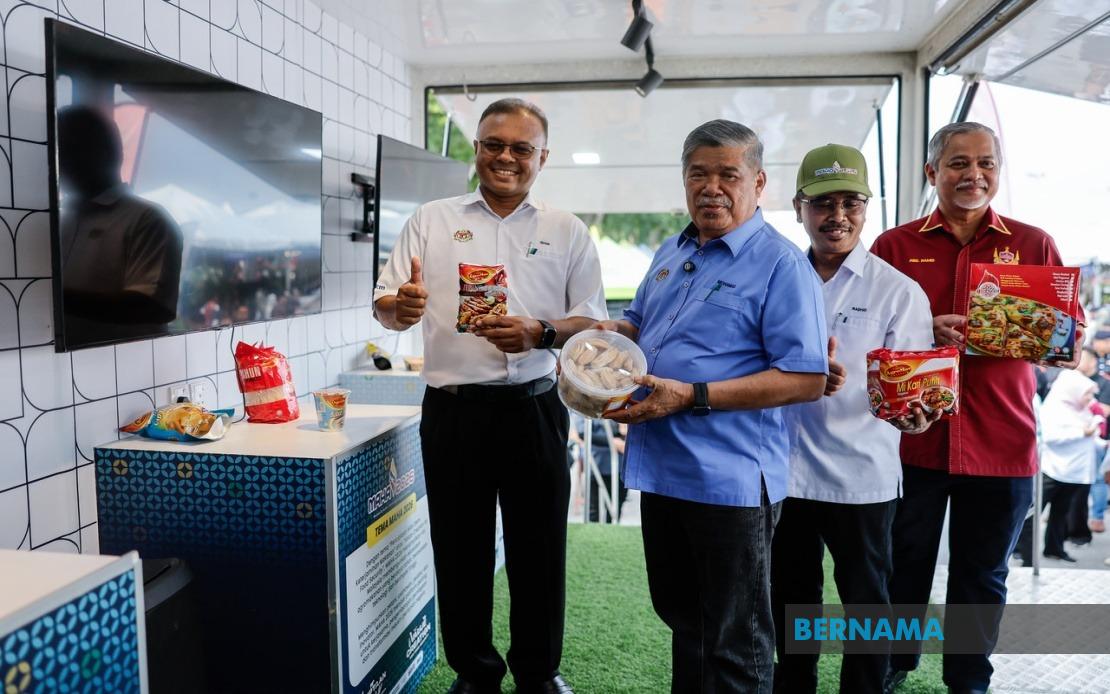
The Malaysia Agriculture, Horticulture and Agrotourism Show (MAHA) 2026 is poised to become a significantly more globally oriented event, with Agriculture and Food Security Minister Datuk Seri Mohamad Sabu announcing confirmed participation from a diverse range of international partners. The minister revealed that Brazil, China, the United States, Japan, South Korea, Hungary, and China's Guangxi region have already committed to exhibiting, with Uzbekistan also indicating strong interest in taking part. This marks the first occasion that MAHA, traditionally a predominantly domestic agricultural gathering, will feature foreign exhibitors, representing a strategic shift in how Malaysia positions its biennial farming and food production platform on the regional stage.
The expansion reflects broader recognition within the Malaysian government that food security cannot be addressed in isolation. Mohamad emphasised that agricultural challenges transcend borders, and when disaster strikes one nation, neighbouring countries often provide crucial support. This interconnected approach underpins the decision to internationalise MAHA, transforming it into a venue where knowledge, technology, and market opportunities flow in multiple directions. Rather than simply showcasing Malaysian agricultural capability, the event will now function as a genuine exchange platform where both domestic and international stakeholders can engage meaningfully.
According to Datuk Isham Ishak, secretary-general of the Agriculture and Food Security Ministry, the international dimension will enable local participants to remain current with emerging agricultural technologies and practices. Malaysian farmers, agribusiness operators, and related service providers will gain direct access to innovations being developed and deployed globally, from advanced irrigation systems to precision farming techniques and climate-resilient crop varieties. This knowledge transfer opportunity carries particular significance for Malaysia's agricultural sector, which faces mounting pressure to increase productivity while adapting to environmental pressures and shifting consumer preferences.
Beyond mere information exchange, the presence of foreign exhibitors creates tangible commercial possibilities. Business matching sessions have been planned specifically to facilitate direct transactions between Malaysian participants and international counterparts. Local producers and service providers will be able to source equipment, seeds, technologies, and expertise from overseas suppliers, while simultaneously marketing their own agricultural products and services to foreign delegates seeking reliable suppliers in Southeast Asia. For Malaysian agribusiness firms with export ambitions, such exposure can open crucial market channels and establish relationships with distributors and buyers.
The expanded international participation also positions Malaysia as a regional leader in agricultural innovation and a serious player in global food systems discourse. By hosting exhibitors from major agricultural powers like Brazil and the United States, alongside technological innovators such as South Korea and Japan, Malaysia elevates MAHA beyond a domestic showcase into a genuine international congress. This carries reputational benefits, potentially attracting inward investment in Malaysian agrotechnology ventures and positioning the country as an attractive destination for agricultural research and development initiatives.
Concurrently with announcing MAHA's international expansion, Mohamad launched the Surveillance and Intervention Supply Demand Agrofood system (SISDA), a government initiative designed to strengthen Malaysia's monitoring of food supply chains and market dynamics. This technology platform represents a significant advancement in how the government approaches food security governance, moving beyond reactive crisis management toward proactive prediction and intervention. SISDA harnesses big data analytics and machine learning algorithms to process vast quantities of market information, enabling officials to identify emerging supply bottlenecks, price volatility, and demand mismatches before they disrupt the food system.
The SISDA platform's early warning capabilities carry obvious implications for Malaysian consumers and food producers alike. By maintaining comprehensive visibility across supply conditions, demand patterns, and pricing trends, the government gains ability to implement timely interventions that stabilise food availability and ensure affordability. For farmers and agricultural businesses, the system provides transparency regarding market conditions, potentially helping operators make more informed decisions about production volumes, crop selection, and timing of sales. This information advantage can translate into improved economic returns for agricultural sector participants, reducing the feast-or-famine income volatility that has historically plagued farming communities.
The timing of SISDA's launch alongside MAHA's internationalisation suggests a coordinated strategy to simultaneously strengthen Malaysia's domestic food security architecture while engaging with global agricultural networks. The dual approach acknowledges that domestic food system resilience increasingly depends on international supply relationships, technology imports, and knowledge flows. SISDA will help Malaysian officials navigate these international dimensions more effectively, identifying when domestic production shortfalls require imports, which foreign suppliers offer the most reliable service, and how global price movements might affect local market dynamics.
For Malaysian agrotourism operators, another component of MAHA's focus, the international participation opens additional possibilities. Foreign visitors attending the exhibition may develop interest in visiting Malaysian agricultural sites, homestays, and experiential farming facilities, potentially expanding the agrotourism sector's revenue base. The exposure gained through international participation could lead to partnerships with overseas travel operators and tourism platforms, helping to market Malaysian agrotourism offerings to regional and global audiences.
The expansion of MAHA reflects broader Southeast Asian trends toward greater agricultural integration and technology adoption. As the region faces pressure to feed growing populations with finite land and water resources, international cooperation and technology transfer become increasingly critical. Malaysia's decision to internationalise MAHA positions the country within these regional dynamics, signalling that agricultural modernisation is a priority and that cross-border collaboration drives innovation.
For local participants preparing for MAHA 2026, the international showcase dimension creates both opportunities and competitive pressures. Malaysian exhibitors will benefit from exposure to global best practices and direct access to cutting-edge technologies, but they will also face scrutiny from international competitors and sophisticated overseas delegates. This elevated competitive environment, however, ultimately serves Malaysian agriculture by pushing local operators toward greater efficiency, quality, and innovation. The business matching sessions will prove particularly valuable for small and medium-sized Malaysian agribusiness enterprises seeking to internationalise their operations or establish import relationships with foreign suppliers.