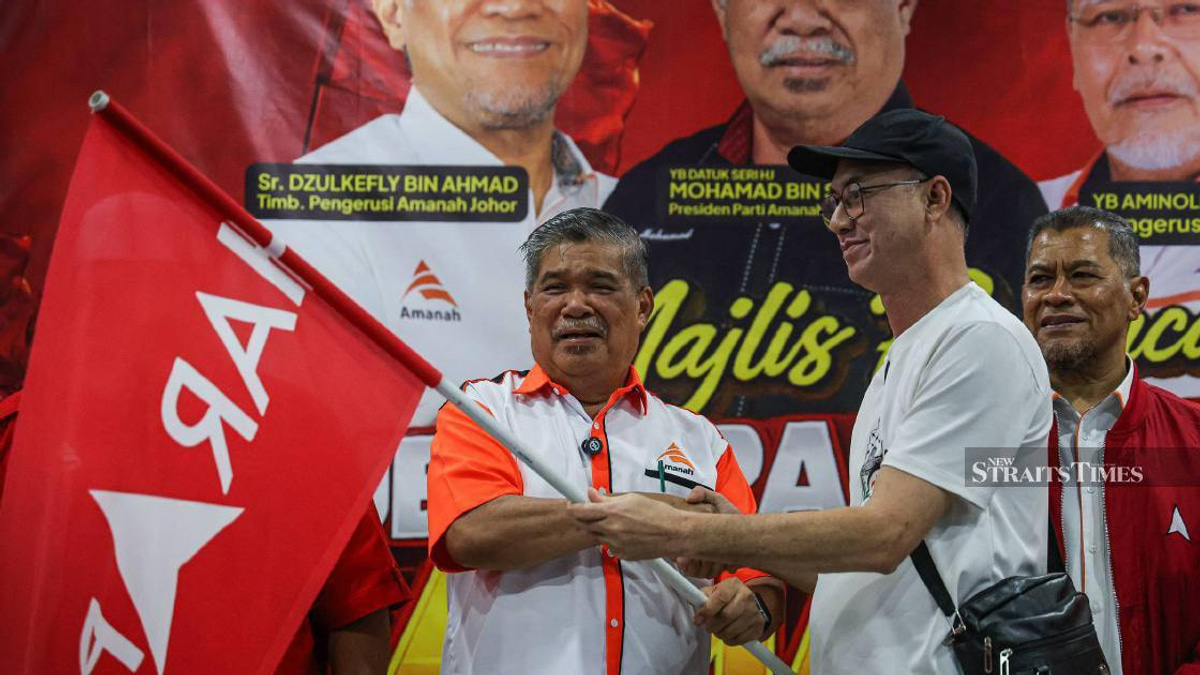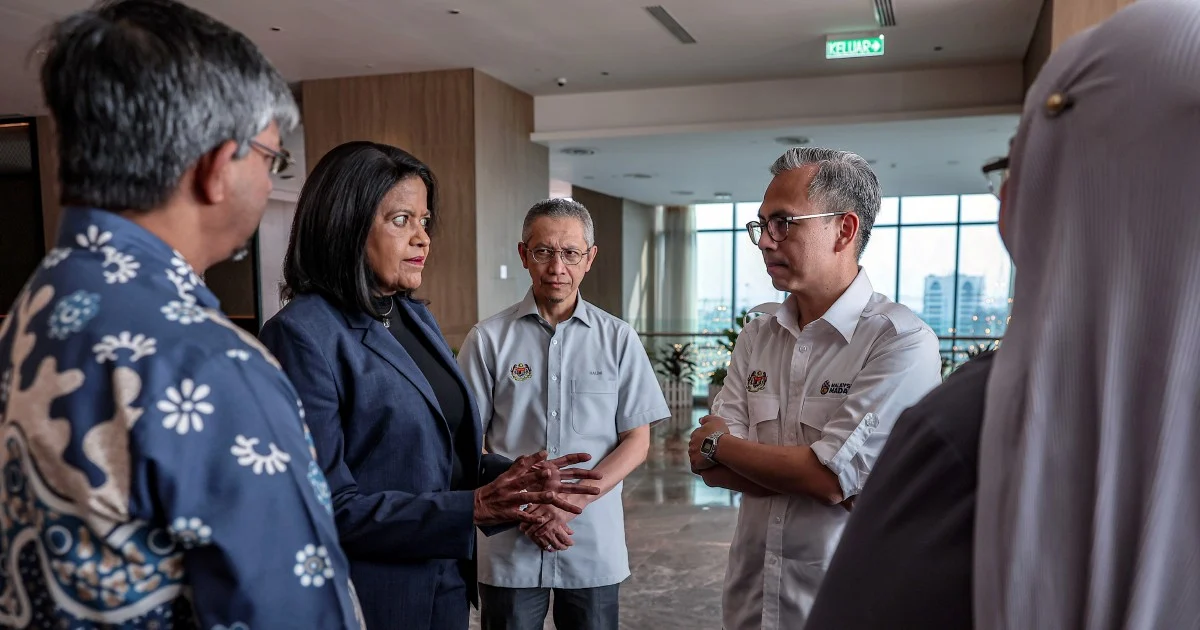
The rapidly approaching state elections in Johor and Negri Sembilan have taken on added significance as a testing ground for a fresh initiative by the Malaysian Media Council designed to identify and neutralise false information circulating during campaign periods. This dual election cycle represents a critical juncture for Malaysia's media governance structures, which have come under mounting pressure to demonstrate their effectiveness in an era of rapid information dissemination and increasingly sophisticated disinformation tactics.
The Malaysian Media Council's new mechanism addresses growing concerns about the reliability of information flows during political contests. Election campaigns have become particularly vulnerable environments where unverified claims, misleading narratives, and outright fabrications can spread across social media platforms and traditional news outlets with alarming speed. The consequences extend beyond individual electoral outcomes; when voters cannot trust the information landscape, confidence in democratic processes themselves erodes. By implementing this framework during the Johor and Negri Sembilan contests, the Council aims to establish practical protocols that can be refined and potentially scaled across future electoral exercises nationwide.
Malaysia's experience with misinformation during previous elections has exposed significant vulnerabilities in how false narratives gain traction and shape public perception. The speed at which misleading content travels through WhatsApp groups, Facebook pages, and TikTok feeds often outpaces the ability of fact-checkers to respond effectively. This asymmetry has become a defining feature of contemporary Malaysian politics, where marginalised communities particularly struggle to distinguish credible reporting from fabricated stories. The new Council initiative represents an attempt to rebalance this equation through more proactive detection and verification protocols.
The mechanism's design reflects lessons learned from misinformation patterns observed across Southeast Asia. Regional neighbours including Indonesia and Thailand have grappled with similar challenges, prompting cross-border collaboration on best practices for combating electoral disinformation. Malaysia's approach builds on these experiences while adapting them to local contexts—accounting for Malaysia's specific linguistic landscape, the particular vulnerabilities of different demographic groups, and the particular platforms favoured by Malaysian users for news consumption and political discourse.
From a practical standpoint, the Council's testing phase will likely involve coordinating with newsrooms, social media platforms, fact-checking organisations, and electoral authorities to establish shared protocols for identifying questionable claims. Real-time monitoring of campaign messaging, source verification procedures, and rapid-response fact-checking mechanisms form the core of this emerging framework. The challenge lies not simply in identifying false information but in ensuring that corrections and clarifications reach audiences effectively—a problem that research suggests is considerably more difficult than initially assumed.
The implications for Malaysian democracy extend beyond technical considerations. Public trust in media institutions has declined substantially over recent years, with significant portions of the electorate questioning the impartiality and accuracy of mainstream news coverage. This erosion of institutional credibility creates an environment where misinformation flourishes, as citizens increasingly turn to unverified sources they perceive as more authentic or aligned with their existing beliefs. By demonstrating tangible commitment to information integrity during elections, the Malaysian Media Council seeks to gradually rebuild confidence in media ecosystems and the democratic processes they serve.
The Johor and Negri Sembilan elections also coincide with broader regional conversations about digital literacy and information citizenship. Southeast Asian governments and civil society organisations increasingly recognise that combating misinformation requires more than technical interventions; it demands sustained investment in public education about media consumption, critical evaluation of sources, and recognition of manipulated content. The Malaysian Media Council's initiative, if successful, could inform more comprehensive regional approaches to building population-wide resilience against disinformation.
Implementing such mechanisms faces practical obstacles that the testing phase will help clarify. Determining who decides what constitutes fabrication versus legitimate political disagreement involves navigating contested terrain where objectivity itself becomes disputed. Different political actors may challenge the Council's decisions, particularly if corrections disadvantage their campaigns. Building institutional legitimacy for the mechanism therefore requires transparency in decision-making processes and clear protocols that appear neutral even when outcomes favour particular candidates or parties.
The timing of this initiative reflects escalating global concerns about election integrity in the digital age. From the Americas to Europe to Asia, democracies have confronted waves of sophisticated misinformation operations that exploit electoral periods to maximum political effect. International organisations and democratic governance experts increasingly advocate for proactive, pre-election preparation rather than reactive crisis management. Malaysia's decision to formally test a new mechanism positions the country alongside global best-practice leaders in election protection, though success ultimately depends on rigorous execution and honest assessment of the framework's actual impact on information quality.
Looking forward, the Malaysian Media Council faces the responsibility of transforming lessons from these state elections into concrete improvements applicable nationally. Whether this testing phase produces a replicable, effective model or reveals fundamental limitations will significantly influence Malaysia's capacity to safeguard electoral integrity in future contests. The stakes involve not merely accurate campaign coverage but the foundational health of Malaysian democracy itself—the proposition that citizens can make informed political choices based on reliable information.