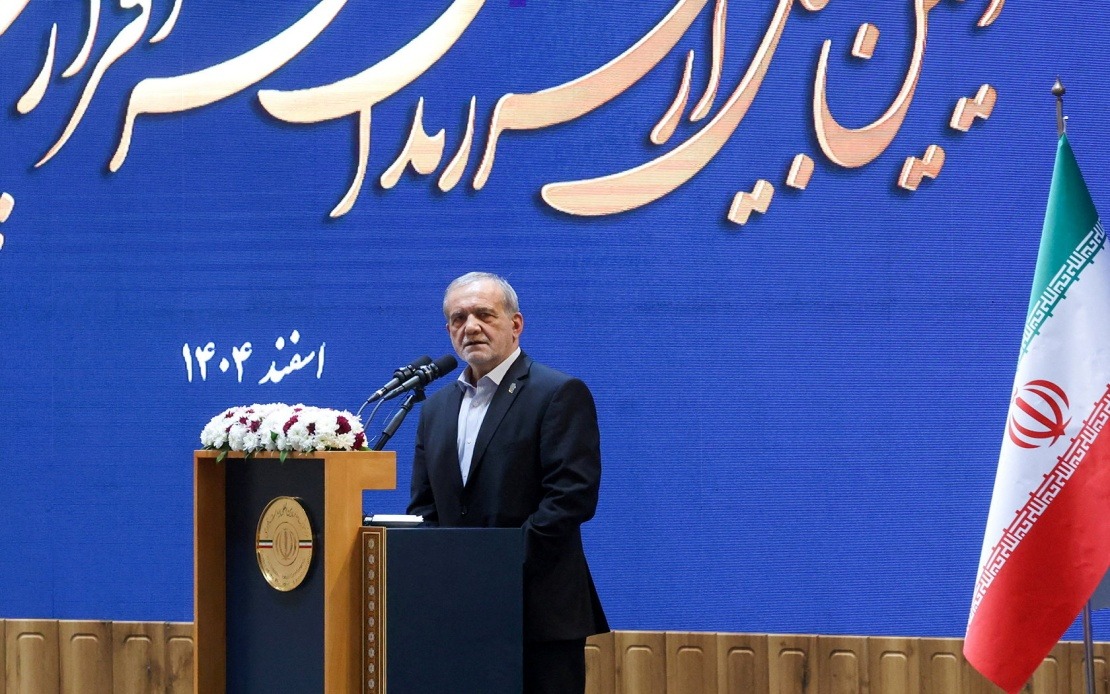
Iranian President Masoud Pezeshkian has signalled that Tehran may be prepared to formalise its longstanding position through a written declaration explicitly committing the nation against developing nuclear weapons. The announcement represents a notable willingness to move beyond verbal assurances and enter into documented commitments that could satisfy international concerns about Iran's nuclear programme. Speaking to state media, Pezeshkian indicated that such a declaration could be drawn up if circumstances require it, suggesting flexibility in the Iranian negotiating position as talks intensify.
The timing of this statement carries considerable significance, arriving as representatives from Iran and the United States have begun direct negotiations in Switzerland following the signing of a preliminary memorandum of understanding earlier in the week. The resumption of formal talks marks a significant step after years of strained relations and underscores both parties' determination to chart a new diplomatic course. The framework agreement governing these negotiations establishes a 60-day window for concluding a comprehensive accord addressing Iran's nuclear programme, a matter that has repeatedly derailed previous diplomatic initiatives.
The Iranian leader's comments reflect a strategic calculation that tangible concessions may be necessary to unlock broader economic benefits. Pezeshkian expressed optimism about the negotiations' trajectory, characterising the arrangements negotiated so far as substantially advantageous to Iran's interests. This positive framing suggests the Iranian government believes the momentum favours reaching an agreement that addresses both nuclear concerns and the sanctions that have crippled Iran's economy for years. The president's confidence contrasts sharply with the deep mistrust that has characterised Iranian-American relations for decades.
A critical element of the emerging framework involves the potential release of frozen Iranian assets currently held in Qatar, with preliminary estimates suggesting approximately US$6 billion could become accessible. This financial relief represents an immediate economic benefit that could help stabilise Iran's struggling currency and support government spending on essential services. For Southeast Asian nations heavily invested in Middle Eastern stability, including Malaysia, such developments carry implications for regional commerce and energy markets that have been disrupted by Iranian sanctions regimes.
Pezeshkian grounded Iran's nuclear stance in the religious teachings of Iran's political leadership, referencing former Supreme Leader Ali Khamenei's publicly stated opposition to weapons of mass destruction based on Islamic principles. This rhetorical approach aims to portray Iran's non-proliferation commitment as rooted in fundamental values rather than mere diplomatic convenience or pressure from external powers. By framing the issue in religious and moral terms, the Iranian government seeks to domestically legitimise any concessions made during negotiations, addressing concerns among hardline constituencies who view engagement with Western powers with suspicion.
The assertion that Iran consistently maintains it harbours no ambitions to acquire nuclear weapons has been a cornerstone of Tehran's diplomatic messaging. However, this statement has frequently collided with Western assessments of Iran's nuclear activities, which observers contend extend beyond civilian energy purposes. The willingness to reduce this position to written form addresses a fundamental gap between Iranian rhetoric and international scepticism. A formal, signed declaration could establish clearer benchmarks for verification and provide documented evidence of commitment that transcends changing political administrations.
The negotiations unfold against a backdrop of heightened regional tensions and shifting geopolitical alignments across the Middle East. For Malaysia and other Southeast Asian states maintaining diverse partnerships, the success or failure of these talks carries spillover effects. Stability in Iran influences global energy prices, affects shipping through critical chokepoints, and determines the resources available for regional actors to pursue their own strategic objectives. A breakthrough could reduce Middle Eastern volatility and create conditions for expanded trade and diplomatic engagement.
The 60-day timeline represents an unusually compressed window for resolving issues that have consumed international diplomacy for over a decade. This aggressive schedule suggests both sides recognise the political costs of continued deadlock and face domestic pressures to demonstrate concrete progress. For Iran, sustained economic sanctions increasingly threaten regime stability and public confidence in leadership. For the United States, reducing Iranian nuclear capabilities remains a core national security objective that transcends partisan politics, creating rare bipartisan consensus around diplomatic engagement if terms prove acceptable.
The potential written declaration exemplifies how diplomatic breakthroughs often emerge through incrementalism rather than revolutionary shifts. By offering to formalise what Iran already claims to be its policy, Pezeshkian provides negotiating partners with enhanced assurance mechanisms while preserving Iran's stated position. This approach may satisfy international verification concerns while allowing Iranian officials to explain their concessions as merely documenting existing commitments rather than reversing fundamental policy. Whether this framing will satisfy all stakeholder concerns remains uncertain, as historical scepticism about Iranian nuclear intentions runs deep among Western capitals and some regional competitors.
The successful conclusion of nuclear negotiations could fundamentally reshape Iran's international standing and economic prospects. Beyond immediate sanctions relief, an agreement could open pathways toward normalised trade relationships, access to global financial systems, and increased foreign direct investment. For Malaysian businesses and investors, normalized relations with Iran could translate into expanded commercial opportunities in energy, technology, and manufacturing sectors. Conversely, if negotiations collapse, the resulting escalation could trigger renewed sanctions spirals and regional instability with consequences extending across Asia's maritime trading networks.
The declaration signal also reflects recognition within Iran's government that absolute positions increasingly prove counterproductive in complex multilateral negotiations. By demonstrating flexibility through the written declaration proposal, Pezeshkian positions Iran as a reasonable interlocutor willing to accommodate legitimate international concerns. This strategic positioning matters significantly for engaging with European and Asian countries whose support for sanctions relief remains essential for meaningful economic benefits. Malaysia's own diplomatic traditions of pragmatic engagement and bridge-building suggest sympathy for Tehran's efforts to resolve longstanding disputes through patient negotiation.