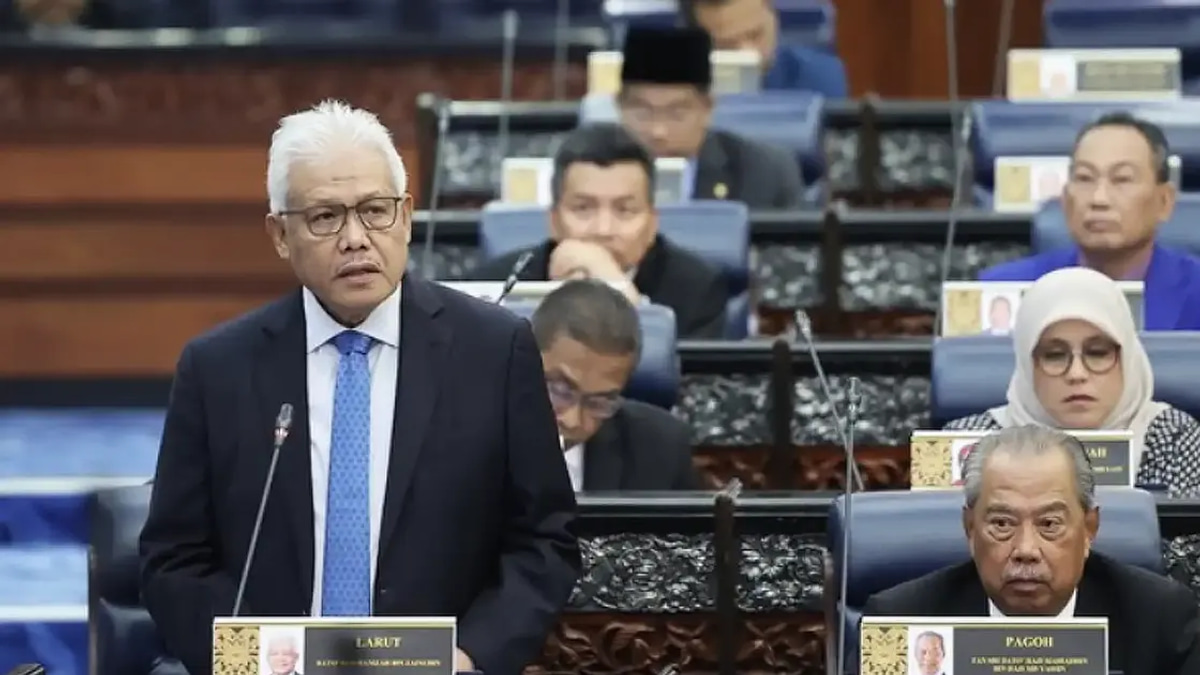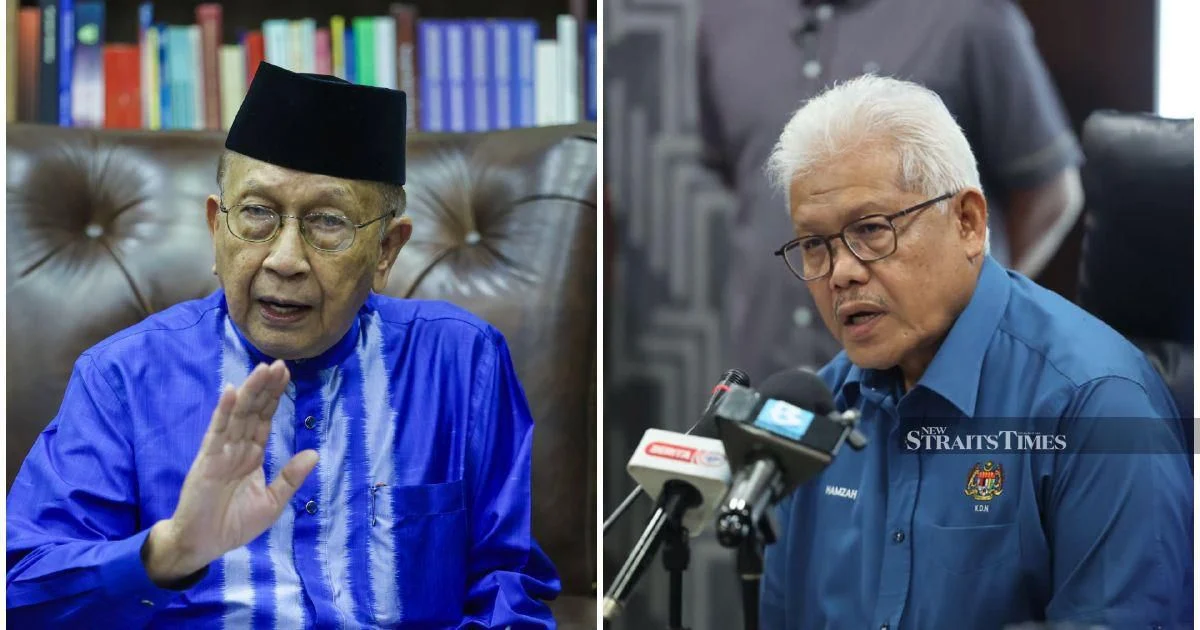
Parti Wawasan Negara has formally revealed the composition of its central leadership council, establishing a command structure that draws extensively from Malaysia's pool of experienced political operatives and former government functionaries. The announcement reflects the emerging party's determination to establish legitimacy through figures with established track records in national administration and parliamentary representation.
The leadership arrangement demonstrates a deliberate strategy to blend institutional experience with fresh perspectives. By recruiting politicians who have previously served in ministerial positions and parliamentary seats, Wawasan is positioning itself as a serious contender capable of immediate governance should electoral circumstances prove favourable. This approach contrasts with newer political ventures that often struggle to command credibility during their formative stages.
The inclusion of both former ministers and sitting legislators signals an attempt to bridge Malaysia's complex political divides. Recent years have witnessed considerable flux in the country's political alignments, with parliamentarians frequently reassessing their party affiliations and strategic alliances. Wawasan's capacity to attract such figures suggests discontent with existing coalition arrangements or an opening for alternative political formations that might better represent constituency interests.
Veteran politicians bring institutional memory crucial for navigating Malaysia's intricate governance structures. Those who have previously held ministerial portfolios understand the machinery of bureaucracy, legislative procedures, and executive decision-making processes. This accumulated knowledge becomes valuable when parties attempt to differentiate themselves through policy expertise or administrative competence rather than relying solely on personality-driven politics.
The professional representation within the leadership hierarchy indicates an intention to present Wawasan as a technocratic alternative to traditional party structures. Incorporating non-politicians into central decision-making bodies has become increasingly common in Malaysian politics, reflecting broader sentiment that governance requires specialist expertise beyond career politicians' conventional training. This diversification potentially appeals to urban voters and younger demographics sceptical of conventional party machinery.
Regionally, Wawasan's emergence and leadership consolidation fit into Southeast Asia's broader pattern of political realignment. Established coalitions across the region face mounting pressure from newly formed alternatives offering revised policy platforms or different power-sharing arrangements. Wawasan's composition suggests it will attempt to capture voters dissatisfied with incumbent arrangements while maintaining sufficient institutional credibility to avoid dismissal as a fringe movement.
The timing of the leadership announcement carries significance within Malaysia's political calendar. The parliamentary term extends until late 2025, providing a window for newly formed parties to build organisational infrastructure and develop policy platforms ahead of potential electoral contests. Wawasan's move to crystallise its leadership structure suggests confidence in its ability to compete meaningfully during any coming national ballot.
For existing coalition members—whether from Barisan Nasional, Pakatan Harapan, or independent parliamentarians—Wawasan's emergence creates additional strategic calculations. Defections to new political vehicles represent attempts to improve negotiating positions within potential post-election coalition arrangements or expressions of principled disagreement with existing alliance directions. The leadership composition will influence which existing politicians find Wawasan sufficiently attractive to warrant party-switching.
The mix of former and current MPs within Wawasan's leadership suggests the party may function as an umbrella for political entrepreneurs seeking alternative institutional homes. Rather than representing a cohesive ideological movement, it could serve as a practical vehicle for politicians pursuing specific constituency interests or national influence outside dominant coalition structures. This flexibility might prove advantageous in Malaysian politics, where personality and patronage networks frequently override rigid ideological commitments.
Malaysia's political landscape has historically accommodated multiple viable coalitions, and Wawasan's emergence indicates continued room for such arrangements. The leadership's depth suggests the party aspires to more than marginal parliamentary representation; its architects appear confident of securing sufficient electoral support to influence coalition-building mathematics following any general election.
For observers tracking Malaysian politics, Wawasan's leadership constellation reveals which political veterans remain active players in national affairs and which former figures have retreated from public competition. The announcement simultaneously demonstrates that Malaysia's political elite continues regenerating itself through formation of alternative structures rather than through generational renewal within established parties.
The implications for ordinary Malaysians extend beyond elite realignment. Political competition between multiple viable coalitions typically forces greater policy responsiveness and attention to constituency concerns, as parties cannot assume automatic support. Wawasan's maturation into a credible third force could intensify such competitive dynamics, potentially benefiting voters seeking greater accountability from political representatives.