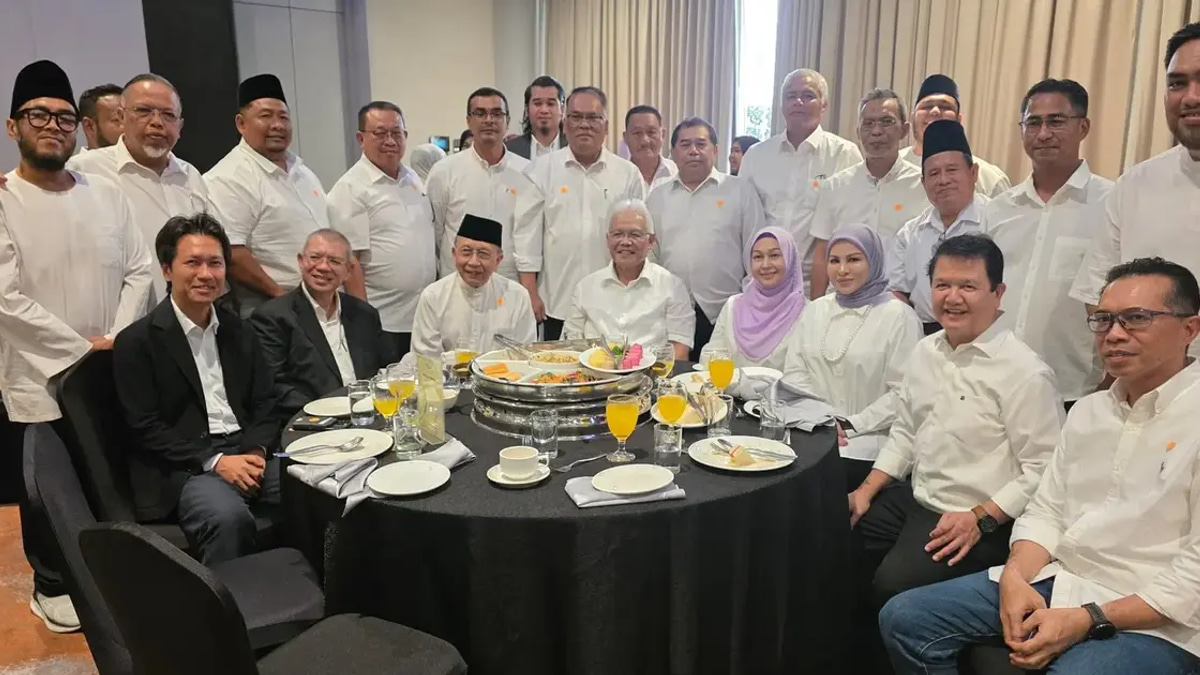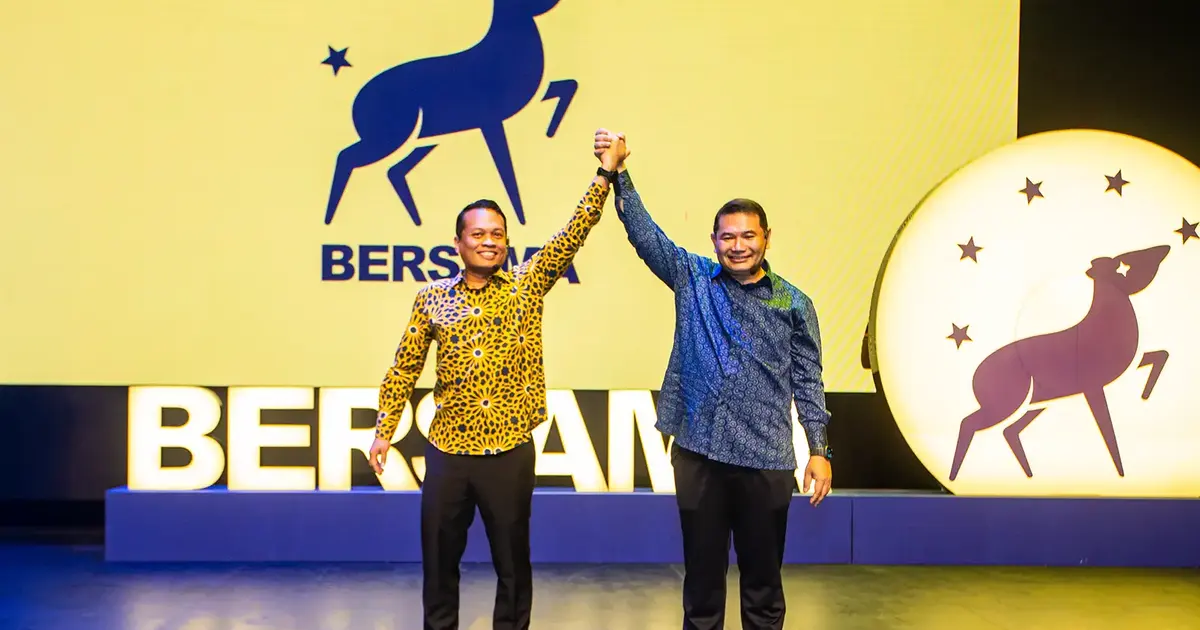
Bersama, an emerging political faction, is witnessing significant enthusiasm from former high-ranking civil servants who are considering candidatures in the forthcoming state elections across Johor and Negeri Sembilan. Party leadership, speaking through a senior figure, has characterized the recruitment momentum as encouragingly positive, suggesting that the party's platform is resonating with individuals who spent their careers within Malaysia's civil service bureaucracy.
The influx of interest from retiring or recently retired government officials represents a noteworthy development in Malaysia's evolving political landscape. These former administrators bring institutional knowledge, established networks, and credibility built through decades of public service—assets that political parties typically seek when constructing competitive candidate slates. Their willingness to transition from administrative roles into electoral politics signals confidence in Bersama's trajectory and vision for governance.
For Bersama, recruitment of candidates with civil service backgrounds carries strategic implications. Such individuals often possess deep familiarity with government machinery, policy implementation challenges, and bureaucratic processes—knowledge valuable when parties aim to present themselves as competent administrators. Additionally, former civil servants frequently enjoy respect in their communities, particularly in smaller towns and rural constituencies where institutional credibility holds considerable sway during campaigns.
The timing of this candidate recruitment coincides with state-level electoral activity in Johor and Negeri Sembilan, regions that collectively represent significant political battlegrounds. Johor, Malaysia's southern economic powerhouse, has historically been a state where political fortunes shift based on voter sentiment regarding governance effectiveness and development delivery. Negeri Sembilan, meanwhile, remains strategically important within peninsular Malaysian politics, and electoral shifts there often foreshadow broader national political movements.
Bersama's success in attracting former civil servants may also reflect broader dissatisfaction or disillusionment within Malaysia's bureaucratic establishment regarding existing political coalitions and their governance records. Retired officials might perceive the newer party as offering fresh approaches to administration and public service delivery. Alternatively, such recruitment could indicate that senior bureaucrats believe Bersama presents a credible alternative vehicle for their continued influence and relevance in shaping national policy directions.
The pool of potential candidates from which Bersama is drawing reflects Malaysia's substantial retiree demographic within the civil service. As mandatory retirement policies take effect and experience senior officials exit government, many possess both financial security and time availability to pursue political careers. Their accumulated expertise becomes available for deployment in electoral campaigns and, potentially, in legislative and executive roles should their parties succeed at the ballot box.
However, the transition from civil service to partisan politics presents distinct challenges that such candidates must navigate. Career bureaucrats operate within institutional constraints emphasizing neutrality and impartiality—values that frequently conflict with the partisan advocacy required in electoral campaigning. Former officials must reconcile their administrative identity with new roles as political actors, adjusting communication styles and decision-making frameworks accordingly. Public perception matters significantly; voters might question whether former civil servants can genuinely represent partisan interests rather than reverting to administrative detachment.
Bersama's candidate recruitment strategy also carries implications for competing political coalitions seeking to field their own slates. The competitive landscape for attracting experienced, credible candidates intensifies when multiple parties pursue the same demographic pools. Established coalitions already benefit from institutional candidate development programs and existing networks; emerging parties like Bersama must be sufficiently attractive to lure seasoned figures away from established networks. The success of this recruitment effort will partly determine Bersama's electoral competitiveness.
For Malaysian voters, the presence of former civil servants on electoral ballots offers specific advantages and considerations. Such candidates bring governance experience and understanding of implementation realities that politicians without administrative backgrounds may lack. Conversely, voters should assess whether former bureaucrats have developed independent political philosophies or remain primarily aligned with administrative class interests. The distinction between administrative competence and electoral leadership capability merits scrutiny during campaign periods.
Regionally, Bersama's candidate recruitment strategy reflects broader Southeast Asian trends where new political parties attempt to establish credibility through association with institutional figures. Similar patterns have appeared across the region as established political systems face pressure from emerging movements, with experienced administrators frequently becoming sought-after commodities. Malaysia's experience in this regard provides insights into how electoral competition evolves as parties experiment with different recruitment and candidate development approaches.
The electoral performance of Bersama-backed candidates in Johor and Negeri Sembilan will provide measurable insight into whether former civil servants successfully translate bureaucratic credentials into electoral success. Results will indicate whether voters genuinely value administrative experience when selecting representatives or whether other factors—party brand recognition, local relationships, or programmatic platforms—prove more decisive in shaping ballot choices across these two states.