Ronald Koeman faced a storm of criticism following his tactical decisions in the Netherlands' opening World Cup match against Japan, where a 2-2 draw in Dallas exposed weaknesses in his substitution strategy. The Dutch coach acknowledged that his changes had failed to deliver the momentum shift he intended. Yet within seven days, Koeman's reputation swung dramatically following an outstanding 5-1 demolition of Sweden, a performance that vindicated a crucial personnel choice and offered genuine hope for the team's attacking future.
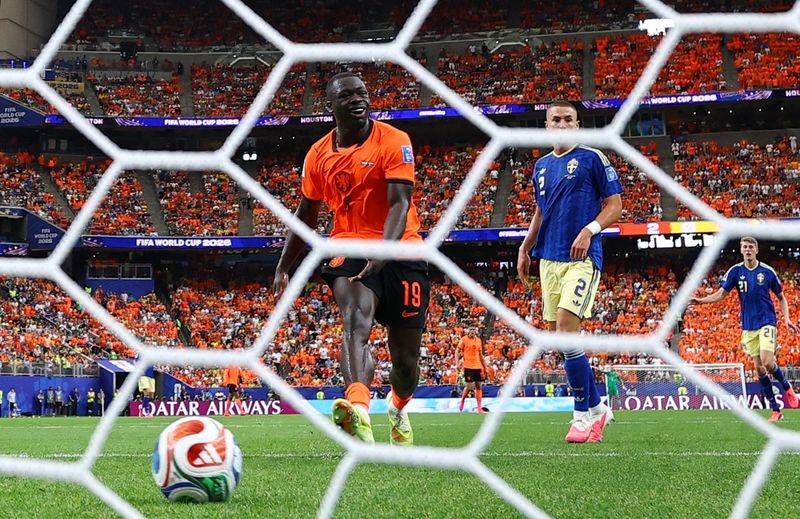
The catalyst for the Dutch resurgence was Koeman's decision to hand 24-year-old Brian Brobbey the responsibility of leading the frontline against the Swedes. In a move that appeared bold at the time, this selection proved inspired, with Brobbey announcing himself as a serious contender for the role of primary striker by netting twice within the opening 17 minutes. The early brace set the tone for a dominant display that propelled the Netherlands to the top of their World Cup group and silenced lingering doubts about the team's attacking potency.
Brobbey's pathway to this moment has been far from straightforward. The young striker found himself relegated to the periphery of the national squad during the qualifying campaign for the 2026 World Cup, overlooked in favour of established names and other options. After an entire year away from international football, he was recalled in March, a selection that appeared more out of necessity than conviction. Such a trajectory would have broken the confidence of many athletes, yet Brobbey has emerged from this period of exile with renewed purpose and improved capability.
A significant catalyst for Brobbey's resurgence has been his time in English football. Playing for Sunderland in the Premier League has fundamentally transformed his approach to the game. No longer relying solely on physicality and the ability to battle defenders, Brobbey has developed a more nuanced and complete skillset. Speaking during the Dutch training camp, he articulated the evolution in his play with notable clarity, highlighting improvements in making intelligent runs from deeper positions, discovering space more effectively, and operating in the more withdrawn areas of the attacking third.
These improvements address a long-standing tactical concern for Dutch football. Memphis Depay has served as the Netherlands' record goalscorer and primary attacking focal point for several years, but age and injury have begun to limit his effectiveness. The national team's technical staff recognised some time ago that identifying and developing a successor had become imperative. Brobbey's emergence provides a genuine solution to what had threatened to become a problematic transition period.
The environment Koeman has created to support his attacking players offers additional optimism. Cody Gakpo continues to operate effectively from the left flank, while Denzel Dumfries' aggressive fullback play on the right creates space and crossing opportunities. The addition of Crysencio Summerville to the squad has further enhanced the creative quality available to whoever assumes the centre-forward position. This constellation of attacking talent means that Brobbey will enjoy substantial opportunities to showcase his finishing quality throughout the tournament.
Brobbey's performance against Sweden demonstrated that he possesses the critical attribute that separates adequate strikers from exceptional ones: clinical finishing. Beyond merely being in the right position, he converted both opportunities with precision and composure. This sharpness stands in contrast to some of the difficulties Depay has experienced in recapturing his best form following his injury absence, a factor that cannot be overlooked when assessing the relative merits of the two players at this moment in their careers.
The significance of Brobbey's emergence extends beyond the immediate World Cup tournament. For Malaysian and Southeast Asian readers following international football, the development of young talent within established European leagues serves as a template for how regional players might approach their own career progression. Brobbey's willingness to embrace the demands of English football, develop his technical capabilities, and return to international duty with renewed confidence provides instructive lessons about player development and resilience.
Koeman's decision-making, initially questioned after the Japan match, now appears vindicated by results. The manager demonstrated the flexibility to adjust his approach, recognising that Brobbey's profile offered superior tactical fit against Sweden's defensive vulnerabilities. This adaptability represents precisely the quality that tournament football demands from coaches, particularly when managing squad depth across multiple group stage matches where rotations become inevitable. The Dutch side now has genuine options in attack rather than dependence on a single player, a significant competitive advantage as the tournament progresses.