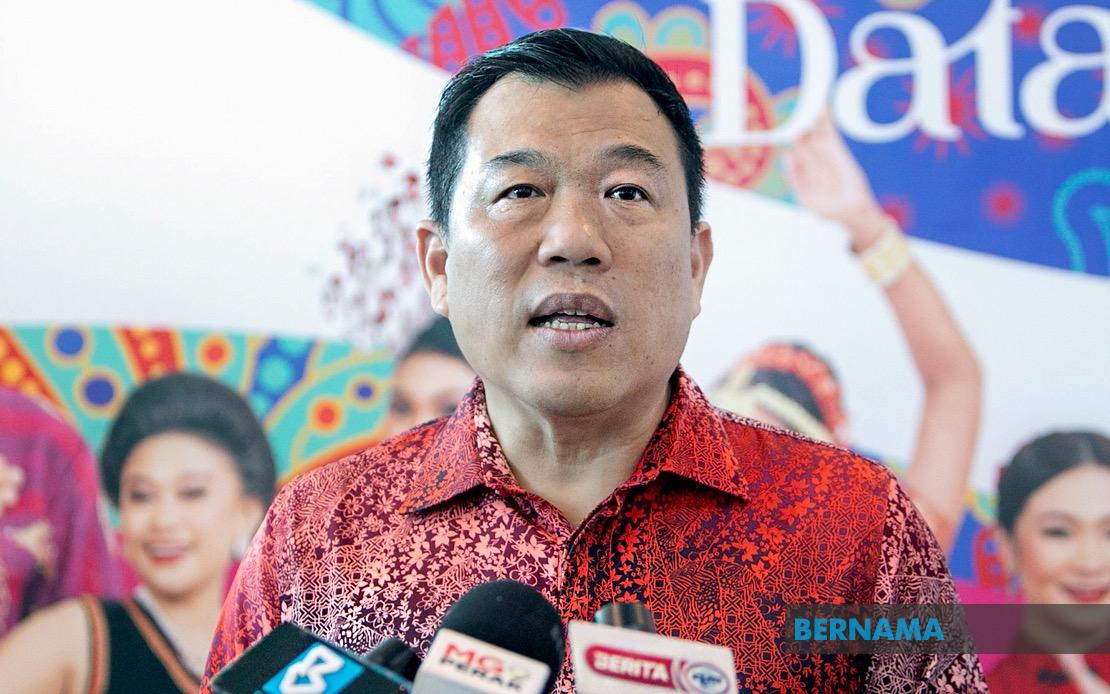
Perak's tourism landscape continues to shift dramatically, with domestic travel bolstering the state's visitor economy even as international arrivals weaken. The state recorded 10.4 million domestic overnight tourists in 2024, a modest increase from the previous year's 10.2 million visitors, according to Loh Sze Yee, chairman of the state Tourism, Industry, Investment and Corridor Development Committee. This upward trajectory in domestic tourism underscores Malaysia's broader regional travel patterns, where Malaysians increasingly favour staycations and short trips within their own country.
Conversely, the international tourism picture presents a more sobering outlook. Perak experienced approximately a 1.5 per cent contraction in foreign visitor numbers, a decline that reflects broader challenges confronting the travel and aviation sectors regionally. Loh attributed this downturn to specific operational constraints, particularly the absence of direct air services on the Singapore-Ipoh route, a connection that historically facilitated substantial visitor flows from the city-state. The loss of this key link represents a critical setback for Perak's international tourism ambitions, as Singapore remains one of Southeast Asia's primary source markets for outbound leisure travel. Beyond logistics, the global energy crisis has cascaded through aviation systems, driving up operational costs and dampening airline capacity expansion into secondary regional destinations like Ipoh.
The performance figures place Perak within Malaysia's broader domestic tourism hierarchy. Government data released earlier indicated that Selangor dominated the domestic travel rankings with 36.4 million visitors throughout the year, followed closely by Kuala Lumpur's 35.1 million arrivals. Perak's 23.6 million domestic visitors positioned the state as a significant but secondary destination within peninsular Malaysia's tourism constellation. This ranking reflects both Perak's established appeal—anchored by attractions such as the Gua Tempurung cavern system, historical colonial architecture, and outdoor recreational zones—and the persistent gravitational pull exerted by the Klang Valley region over domestic leisure travel.
Regional tourism authorities are nevertheless positioning Perak strategically to capitalise on existing strengths while addressing international shortfalls. Tourism Malaysia's decision to host the Pantai Timur Fest 2026 in Ipoh signals confidence in the state's capacity to serve as a regional tourism hub. Mohd Amirul Rizal Abdul Rahim, Tourism Malaysia's director-general, articulated this strategy explicitly, noting that Ipoh's geographic location offers optimal connectivity across Peninsular Malaysia's northern, central, and southern territories. This positioning transforms Ipoh from a standalone destination into a gateway and distribution centre for East Coast tourism products originating from Kelantan, Terengganu, and Pahang.
The Pantai Timur Fest 2026 represents a concentrated effort to integrate regional tourism ecosystems and amplify market visibility for three traditionally less-promoted destinations. The festival curates thirty exhibition booths showcasing diverse operators—including travel agencies, accommodation providers, theme parks, tourism entrepreneurs, and online distribution platforms—from the East Coast triumvirate. This aggregation approach concentrates competitive offerings and experiences into a singular marketplace, reducing visitor friction in discovering and comparing products across multiple states. Such integration carries particular significance for domestic travellers from the north and south who might otherwise lack convenient mechanisms for accessing comprehensive East Coast tourism information.
The festival experience transcends commercial transaction, incorporating cultural programming designed to deepen audience connection with regional heritage. Scheduled offerings encompass traditional performances, artisanal craft demonstrations, authentic culinary showcases, and interactive experiences that position East Coast identity as distinct within Malaysia's tourism landscape. These experiential elements address a fundamental challenge in secondary destination marketing: transforming abstract awareness into genuine travel intent. By anchoring East Coast identity through tangible cultural expression, organisers create memorable impressions that extend beyond promotional messaging.
The alignment of the Pantai Timur Fest 2026 with the Visit Malaysia 2026 campaign reflects a strategic national tourism initiative aimed at revitalising overall visitor volumes during a challenging global context. The campaign provisions within the festival—special pricing on travel packages, time-limited discounts, and bundled offerings—directly incentivise immediate booking decisions. This promotional intensity acknowledges that domestic travel decisions remain price-sensitive and require concrete value propositions to overcome inertia.
The domestic-international tourism divergence evident in Perak carries implications for state economic planning and sectoral investment. Rising domestic volumes suggest resilient local purchasing power and established holiday-taking patterns, providing a stable revenue foundation. However, stagnating international arrivals constrain foreign exchange earnings and limit multiplier effects throughout ancillary sectors. The Singapore-Ipoh connectivity gap particularly merits policy attention, as bilateral air services typically generate disproportionate spending impacts and serve as gateway functions for downstream regional tourism flows.
Addressing the international shortfall will require coordinated action addressing both supply-side aviation constraints and demand-side market development. Engaging airlines to restore or establish the Singapore-Ipoh route necessitates demonstrating sufficient passenger demand through load factor projections. Simultaneously, targeted marketing campaigns in key Asian source markets—particularly Singapore, Thailand, and China—would rebuild awareness and intention among international prospects. The global aviation normalisation trajectory will eventually reduce fuel and operational cost pressures, potentially creating opportunities for route reactivation.
Longer-term, Perak's tourism strategy should leverage domestic strength as a foundation for international relaunch. Domestic visitors increasingly become advocates and information sources within extended networks, potentially generating secondary demand from international friends and family networks. Digital tourism marketing, influencer partnerships, and social media amplification of domestic visitor experiences can extend Perak's reach into international consciousness with relatively modest investment. This bottom-up approach complements conventional trade marketing targeting operators and travel professionals.
%22%2F%3E%3C%2Fpattern%3E%3C%2Fdefs%3E%3Crect%20width%3D%22100%25%22%20height%3D%22100%25%22%20fill%3D%22url(%23ph49f10g)%22%2F%3E%3Crect%20width%3D%22100%25%22%20height%3D%22100%25%22%20fill%3D%22url(%23ph49f10p)%22%2F%3E%3Ctext%20x%3D%2250%25%22%20y%3D%2250%25%22%20text-anchor%3D%22middle%22%20dominant-baseline%3D%22central%22%20fill%3D%22rgba(255%2C255%2C255%2C0.95)%22%20font-family%3D%22Georgia%2C%20'Times%20New%20Roman'%2C%20serif%22%20font-weight%3D%22700%22%20font-size%3D%22226%22%20letter-spacing%3D%22-0.02em%22%3EExists%3C%2Ftext%3E%3C%2Fsvg%3E)

%22%2F%3E%3C%2Fpattern%3E%3C%2Fdefs%3E%3Crect%20width%3D%22100%25%22%20height%3D%22100%25%22%20fill%3D%22url(%23ph4a4w5g)%22%2F%3E%3Crect%20width%3D%22100%25%22%20height%3D%22100%25%22%20fill%3D%22url(%23ph4a4w5p)%22%2F%3E%3Ctext%20x%3D%2250%25%22%20y%3D%2250%25%22%20text-anchor%3D%22middle%22%20dominant-baseline%3D%22central%22%20fill%3D%22rgba(255%2C255%2C255%2C0.95)%22%20font-family%3D%22Georgia%2C%20'Times%20New%20Roman'%2C%20serif%22%20font-weight%3D%22700%22%20font-size%3D%22272%22%20letter-spacing%3D%22-0.02em%22%3ETrump%3C%2Ftext%3E%3C%2Fsvg%3E)