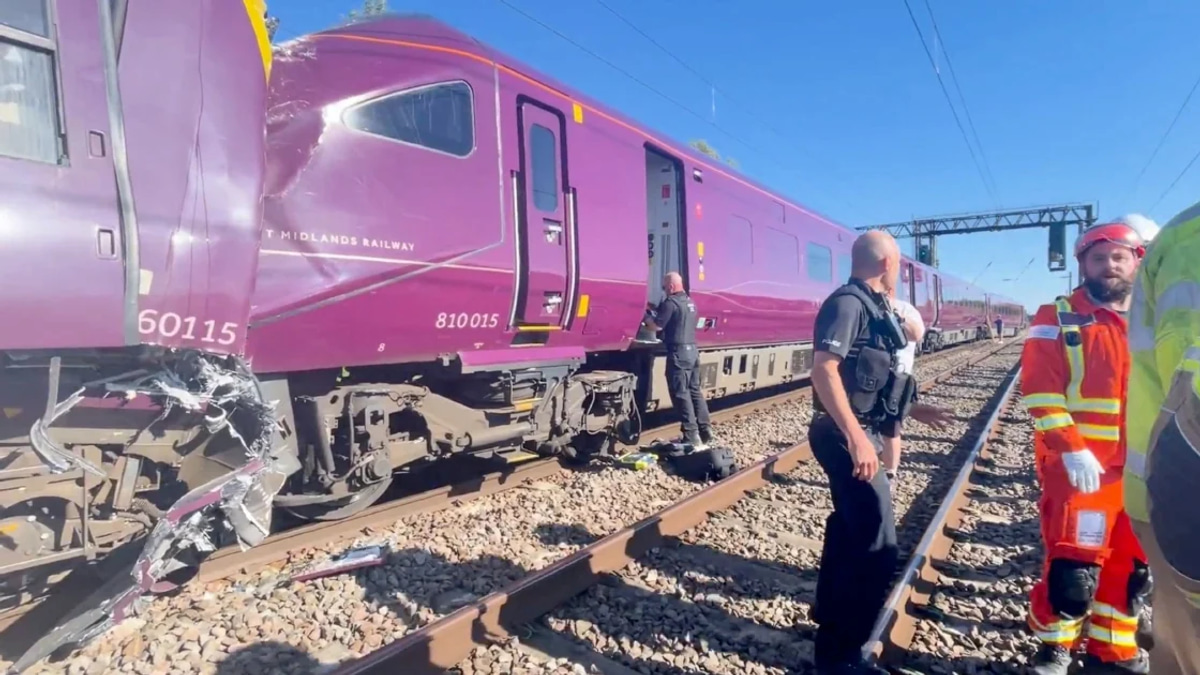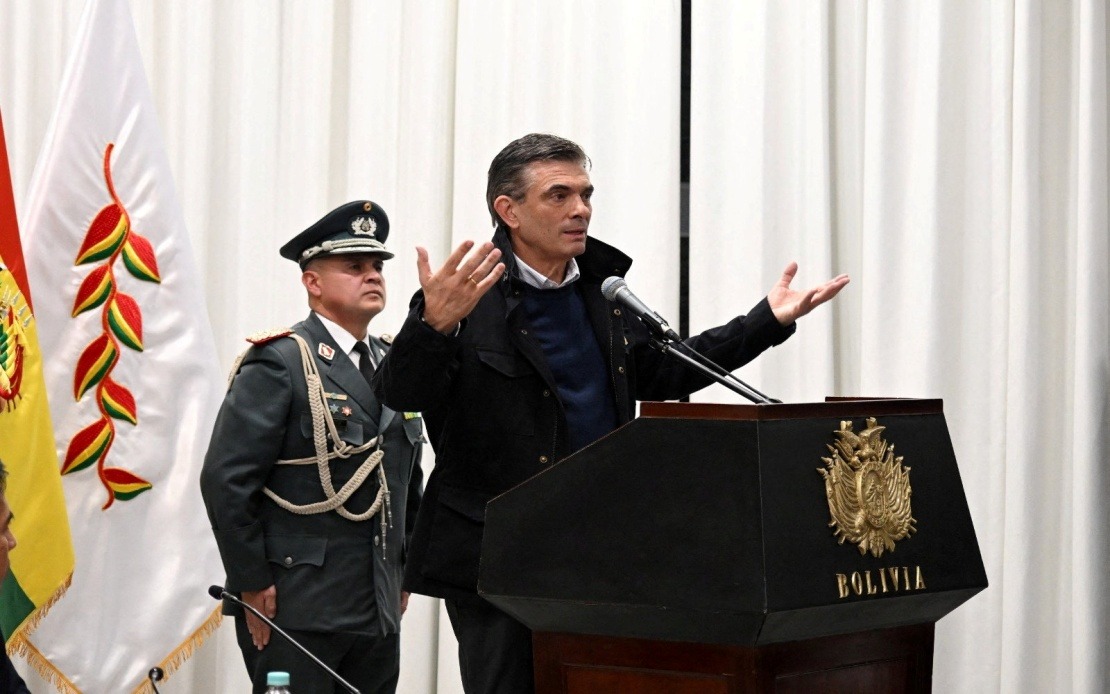
Bolivian President Rodrigo Paz has declared a state of emergency in response to an escalating political and economic crisis centred on widespread road blockades that have paralysed much of the nation for nearly two months. The declaration, announced in a televised address on Saturday, represents a dramatic escalation in efforts to contain civil unrest that has grown increasingly volatile as organised labour groups and farming communities intensify their pressure on the government.
The blockades, which have now persisted for fifty days, originated as a grassroots expression of discontent over the government's handling of the economy and the rising cost of living facing ordinary Bolivians. What began as targeted industrial action has mushroomed into a broader national crisis, with workers' unions and agricultural organisations maintaining coordinated pressure on multiple fronts. The movement has called explicitly for President Paz to step down, signalling deep public dissatisfaction with his administration's approach to economic management during a period of substantial financial strain.
The humanitarian toll of the prolonged blockades has become increasingly severe. Citizens across affected regions have experienced acute shortages of essential supplies, with food and fuel becoming scarce commodities in many communities. Medical services have been significantly disrupted, with hospitals and clinics struggling to maintain operations as supply chains have broken down and staff mobility has been restricted. Beyond these immediate shortages, the broader economic impact has been substantial, with the blockades preventing normal commercial activity and severing transportation links that businesses depend upon to function.
In his televised remarks, President Paz framed the declaration as a necessary measure to restore fundamental freedoms that Bolivians have been denied by the ongoing blockades. His language emphasised the humanitarian dimensions of the crisis, describing citizens as being held "hostage" by the protests and stressing that people cannot continue to be prevented from working, attending school, accessing healthcare, purchasing necessities, or providing for their families. This rhetorical approach attempted to position the government as protecting public welfare against the disruptions caused by protest movements.
The state of emergency declaration carries significant constitutional implications for Bolivia. The measure explicitly authorises military deployment across the country with a mandate to restore order and clear blockaded roads. This shift toward military intervention marks a decisive turning point in how the government is responding to the crisis, moving beyond police enforcement and dialogue toward armed forces involvement. Such escalation carries inherent risks of confrontation between security forces and protesters, potentially intensifying rather than resolving the underlying tensions.
For Malaysian observers and regional policymakers, the Bolivian situation offers instructive lessons about the intersection of economic hardship and political stability. When inflation and cost-of-living pressures accumulate without visible government solutions, they create conditions where organised groups can mobilise mass action and exercise considerable disruptive power. The Bolivian case demonstrates how coordinated action by unions and agricultural sectors can impose significant costs on entire national economies, forcing governments into difficult tactical choices between negotiation and enforcement.
The blockade strategy itself reflects a sophisticated understanding of economic leverage. By controlling key transportation corridors, protest movements can create widespread civilian suffering that generates political pressure on governments independent of popular voting behaviour. This form of pressure is particularly effective in countries with fragile supply chains and limited alternative distribution networks, conditions that characterise much of Latin America and many developing economies globally.
The declaration of emergency powers also illustrates the governance challenges that democratic governments face when confronted with sustained civil disobedience. Paz's decision to invoke military authority suggests either that civil law enforcement mechanisms proved inadequate or that political negotiations had broken down entirely. The balance between respecting protest rights and maintaining essential service delivery remains perpetually contested terrain in democracies experiencing severe economic stress.
Southeast Asian nations, including Malaysia, have experienced comparable episodes of coordinated labour action and protest-driven supply disruptions, though typically at smaller scales. The Bolivian situation underscores why governments throughout the region maintain focus on economic growth and inflation control as core governance priorities. Public discontent over cost-of-living pressures, if left unaddressed, can quickly translate into disruptive organised action that becomes increasingly difficult to manage through conventional administrative means.
The underlying economic grievances driving Bolivia's crisis deserve scrutiny. Rising living costs combined with apparent government ineffectiveness create powerful political dynamics that institutional responses alone cannot resolve. Whether military deployment can address the fundamental economic concerns motivating the protests remains doubtful. The declaration of emergency may temporarily clear blockades, but without addressing the inflation and economic pressures that sparked the initial discontent, the underlying crisis is likely to resurface.
Regional integration matters in this context. Bolivia's economic challenges reflect broader Latin American trends, including commodity price volatility and currency pressures. How Paz's government manages the transition from emergency measures back toward sustainable economic policy will determine whether the crisis is merely suppressed or genuinely resolved.