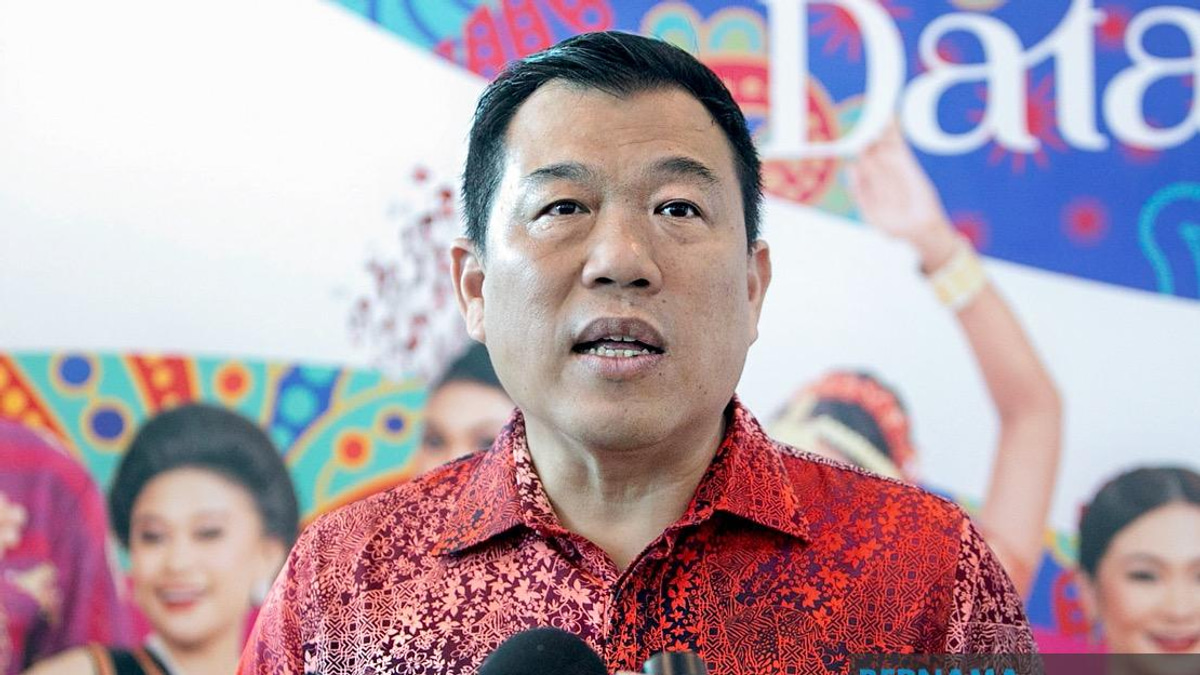
Ahmad Man, the Kuala Sepetang state assemblyman representing Bersatu in Perak, finds himself in a peculiar limbo following his suspension from the party. Rather than making an immediate switch to Wawasan, the legislator is deliberately holding his ground, constrained by the stringent provisions of Malaysia's anti-party hopping laws that govern such political transitions.
The suspension marks a significant rupture in Man's relationship with Bersatu, but it has not yet severed his formal ties to the party. This distinction carries considerable legal weight. Under Malaysia's constitutional framework, lawmakers who abandon their parties face severe penalties, including automatic loss of their seat in the legislature. The provision exists to discourage the kind of political opportunism that has periodically destabilised state and federal administrations.
Man's decision to await formal expulsion rather than resign his seat reflects a strategic understanding of this legal landscape. A voluntary defection would immediately trigger the anti-hopping clause, resulting in an automatic by-election in Kuala Sepetang and his removal from the state assembly. By contrast, if Bersatu formally terminates his membership, the legal consequences may differ depending on the precise circumstances and procedural compliance.
This situation underscores a recurring tension within Malaysia's political system. The anti-hopping legislation, formally known as Clause 49A of the Constitution, was designed to strengthen party discipline and prevent casual party-switching. However, it can also entrap dissidents or suspended members who wish to pursue alternative political alignments, creating scenarios where politicians must wait for their party to take definitive action before they can legitimately move elsewhere.
Bersatu's suspension of Man likely reflects broader internal friction within the party, which has experienced significant organisational challenges in Perak and across the federation. The party, which emerged from divisions within UMNO and PPBM, has struggled to maintain cohesion and electoral momentum since its formation. Suspensions and expulsions have become recurring features of its internal management, suggesting deeper structural difficulties.
Wawasan, meanwhile, represents an alternative political platform that has been positioning itself as a competitive force in Malaysian politics. The prospect of recruiting experienced assemblymen from other parties suggests Wawasan is attempting to build capacity and legitimacy through lateral recruitment of experienced politicians. Man's eventual move, once legal barriers are cleared, would constitute a tangible gain for Wawasan's representation in Perak.
The Kuala Sepetang constituency itself holds significance in Perak's political dynamics. Located in the northern part of the state, the seat has been a battleground reflecting broader shifts in Perak's electoral behaviour. Any transition in its representation or a by-election triggered by Man's departure could reshape local political alignments and test voter preferences in a district that has experienced considerable volatility in recent electoral cycles.
For Malaysian democracy, Man's situation illustrates the delicate balance between preventing floor-crossing chaos and respecting individual political choice. The current anti-hopping framework creates perverse incentives, where politicians must effectively wait for their party to sack them before pursuing new political homes. This can delay necessary democratic transitions and force uncomfortable standoffs between parties and their members.
The timing of Man's eventual move to Wawasan remains uncertain, dependent on when Bersatu completes its disciplinary procedures. In the interim, he continues to occupy his assembly seat despite his suspended status, a position that is neither fully inside nor outside his current party. This arrangement, while legally permissible, highlights the sometimes awkward mechanics of Malaysia's political system when established rules collide with the messier realities of political realignment.
Man's case will likely influence how other suspended or disaffected Bersatu members assess their options moving forward. If Bersatu eventually expels him cleanly and his transition to Wawasan proceeds without triggering the anti-hopping clause, it could establish a precedent. Conversely, if formal expulsion still results in seat forfeiture, it would suggest the constitutional provisions operate broadly regardless of the party's role in initiating the separation.
The broader implications extend to Perak's political stability and Wawasan's trajectory as a political entity. Gaining experienced state assemblymen from other parties requires navigating Malaysia's institutional constraints while building confidence among prospective recruits. Man's eventual move, whenever it occurs, will represent a test of both his political calculations and Wawasan's ability to effectively integrate new members into its organisational framework.