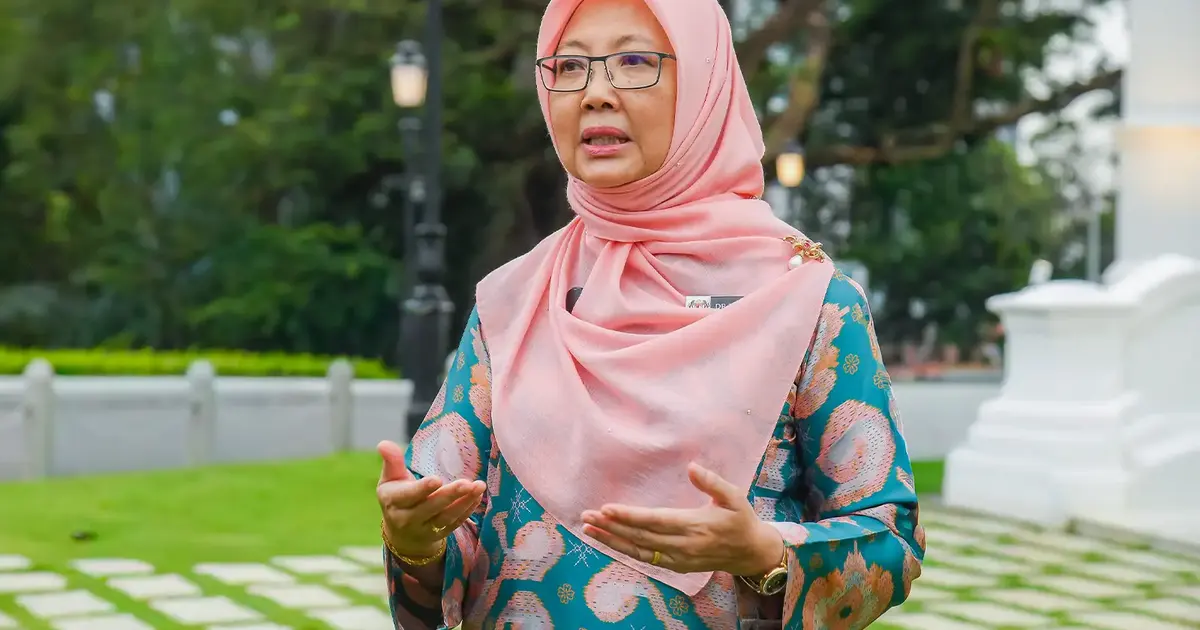
Zaliha Zainul Abidin, the PKR vice-president, has expressed bewilderment at the request from Johor Barisan Nasional chairman Onn Hafiz Ghazi asking the opposition coalition Pakatan Harapan to publicly declare who would serve as its menteri besar candidate, particularly when no binding commitment to appoint that figure has been made.
The demand from the Johor BN leader appears premature to coalition observers, who note that announcing a preferred candidate without assurance of his eventual appointment would expose that individual to unnecessary scrutiny and potential political vulnerability. Such a public declaration could undermine the nominee's position before any formal appointment process takes place, creating a tactical disadvantage for the coalition in broader state-level negotiations.
Zaliha's position reflects the coalition's broader strategic calculation regarding the menteri besar role. In Malaysian state politics, the appointment of the chief minister does not follow a purely democratic procedure within a coalition. Rather, it typically involves complex negotiations between coalition partners, the Sultan's preferences, and internal party dynamics. The Johor Sultan, as the reigning monarch, retains significant influence over who holds the position, making any pre-announcement by the coalition potentially fraught with complications.
Onn Hafiz's call might be interpreted as an attempt to force Pakatan Harapan's hand, compelling the coalition to commit to a specific figure before negotiations with the palace have even commenced. By demanding a public declaration, the BN chairman could be seeking to trap the coalition into an awkward position where its announced candidate might face rejection from the Johor Palace, thereby undermining the coalition's credibility heading into any broader political talks.
The situation underscores the delicate balance required in Malaysian state politics, where coalition partners must maintain flexibility while also demonstrating organisational coherence to voters. Naming a poster boy too early could alienate alternative candidates within the coalition, particularly if the palace ultimately expresses preference for a different figure. This internal coalition tension could prove damaging if parties feel their preferred candidate has been overlooked without proper consultation.
From a Malaysian perspective, this exchange highlights how state-level politics often operates at cross-purposes with public declarations. While voters and media expect transparency about who will lead a coalition, the palace appointments system requires discretion and negotiation behind closed doors. Coalitions walking this line must manage expectations carefully without revealing their full hand to competitors.
Johor's political landscape has grown increasingly contested in recent years, with both coalitions vying for supremacy in a state that has historically swung between major power blocs. The menteri besar position carries substantial weight given Johor's economic importance and population size. Securing this role represents a significant electoral prize, making both sides cautious about commitment before optimal conditions are achieved.
Zaliha's rebuttal suggests Pakatan Harapan intends to maintain tactical flexibility rather than lock itself into predetermined leadership arrangements. This approach, while potentially frustrating to voters seeking clarity, aligns with Malaysian political precedent where coalitions historically avoid announcing candidates until circumstances are more settled.
The exchange also reflects broader questions about whether Johor voters will gravitate toward a coalition perceived as having a clear leadership vision or whether they prioritise other policy considerations. By declining to name a candidate immediately, Pakatan Harapan may be wagering that its policy platform and organisation matter more than advance knowledge of potential menteri besar appointments.
Onn Hafiz's demand could also be read as rhetorical positioning before the next general election cycle. Johor holds state elections separately from federal polls, giving both coalitions extended time to prepare. The Johor BN chairman's call might represent an early effort to define the terms of campaign debate, establishing his coalition as clear and decisive while portraying Pakatan Harapan as evasive and unprepared.
For the broader Southeast Asian context, Malaysia's approach to coalition politics and palace influence remains distinctive. Unlike neighbouring democracies with more straightforward electoral systems, Malaysia's constitutional monarchy and state-level appointments create a governance layer that demands sophisticated political management. Johor's situation exemplifies how these factors complicate coalition strategy in ways unfamiliar to observers accustomed to simpler electoral mechanics.
Zaliha's public clarification of her coalition's position may also serve to manage internal expectations within Pakatan Harapan itself. By articulating why premature candidate announcements prove counterproductive, the PKR leader subtly signals to coalition partners that flexibility remains essential until formal negotiations advance further. This intra-coalition communication function often remains invisible to casual observers but proves crucial for maintaining coalition cohesion during sensitive periods.