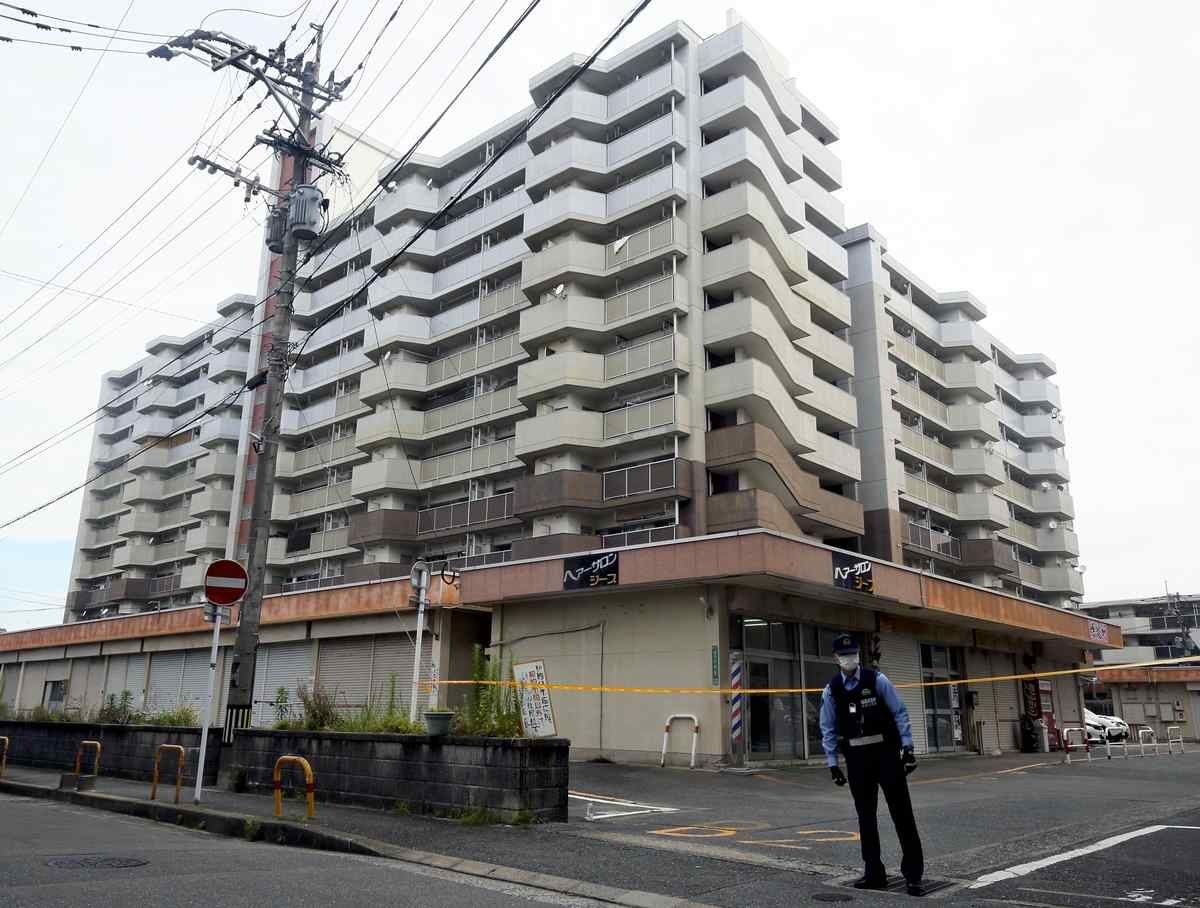
A 36-year-old woman was taken into custody on Thursday (June 18) by Fukuoka Prefectural Police following the fatal stabbing of her 33-year-old friend in Fukuoka City. The suspect has confessed to the killing, admitting to authorities that she carried out the violent assault using a knife-like implement. Investigators have since upgraded the case from attempted murder to a full murder investigation as the victim succumbed to her injuries at a local hospital.
The incident unfolded in the early morning hours, with the attack occurring at approximately 3:15am on Thursday at a residence in Fukuoka City. According to statements from the Higashi Station of Fukuoka Prefectural Police, the suspect repeatedly struck her victim in the neck and chest regions with the blade. The severity and multiplicity of the wounds ultimately proved fatal, and medical personnel were unable to save the victim's life despite immediate emergency intervention.
What distinguishes this case as particularly disturbing is the proximity of three elementary school-aged children who were sleeping in another room of the residence when the stabbing took place. The children's presence in the home during this violent incident raises serious questions about the household dynamics and the events that preceded the attack. The psychological impact on these young witnesses to such a traumatic event—even if they were asleep during the actual assault—represents a significant welfare concern that authorities and child protection services will likely need to address.
The suspect's admission to police represents a straightforward acknowledgment of guilt. When questioned, she reportedly stated: "It's true I did it. I stabbed her many times." This candid confession has substantially simplified the investigative process, allowing authorities to focus their efforts on understanding the circumstances and motivations behind the killing rather than establishing basic facts of culpability. Her willingness to cooperate with investigators suggests either remorse or a lack of intent to conceal her actions.
The relationship between the suspect and victim, described as friends, indicates this was not a random act of violence but rather a conflict arising between two individuals who had established social connections. Understanding the nature of their friendship and what triggered the sudden escalation to lethal violence remains a crucial element of the ongoing investigation. Such cases often reveal underlying tensions, disputes, or personal grievances that boiled over into tragedy.
The location of the attack—a residential home where the victim was living—suggests the suspect may have had prior access or familiarity with the premises. The fact that the assault occurred in the early morning hours, when most people would be asleep, indicates either premeditation or opportunistic violence under cover of darkness. Investigators will be examining the sequence of events leading up to the attack to determine whether this was an impulsive act or one that had been planned in advance.
This incident reflects broader concerns about domestic and interpersonal violence within Japan's society. While Japan maintains relatively low rates of violent crime compared to many other developed nations, cases involving knife attacks in residential settings periodically emerge, often shocking the public with their brutality and proximity to vulnerable populations like children. The presence of the young victims in this case adds another layer of concern about the safeguarding systems in place.
The role of Higashi Station in managing the initial investigation and then escalating the charges demonstrates the procedural protocols within Japanese law enforcement. The transition from attempted murder charges to murder charges reflects the legal classification system and the severity assessment made by investigating officers as new evidence about the victim's death emerged.
The case will likely proceed through Japan's criminal justice system with significant media attention, particularly given the circumstances involving the sleeping children and the fatal outcome. The suspect's subsequent legal proceedings, including indictment and trial, will be conducted according to Japanese criminal law and court procedures. Questions about motivation, mental state, and circumstances will be explored throughout the judicial process.
For Malaysian and Southeast Asian observers, this incident underscores the reality that violent crime within residential settings can occur in even developed, low-crime societies. It highlights the importance of community awareness regarding signs of conflict in relationships and the potential for rapid escalation to violence. Additionally, it emphasizes the need for robust child protection frameworks to ensure that children exposed to domestic violence or traumatic incidents receive appropriate psychological support and intervention.
The investigation by Fukuoka Prefectural Police continues as authorities seek to establish the complete circumstances surrounding the stabbing, including any evidence of planning, the immediate provocation if any, and the emotional or psychological state of the suspect at the time of the attack. These details will prove essential both for the prosecution's case and for understanding how such a tragic incident transpired in a residential environment.


