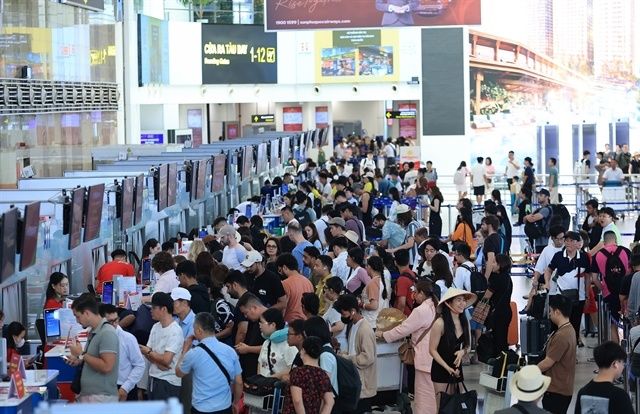
Vietnam's government has introduced sweeping new protections for air passengers, with Decree No. 208 establishing comprehensive compensation and assistance requirements that airlines must follow starting next month. The regulation brings Vietnam's civil aviation framework in line with international standards and represents a significant shift toward stronger consumer safeguards in the region's rapidly expanding aviation sector.
The new decree defines a flight delay as any departure occurring more than 15 minutes after the scheduled time, with a distinction for "long delays" classified as four hours or longer. This classification system allows regulators and airlines to calibrate their response according to severity, ensuring that minor scheduling variations do not trigger unnecessary administrative burdens while protecting passengers from significant disruptions. The inclusion of these specific time thresholds provides clarity for both carriers and travellers, reducing ambiguity about when compensation obligations arise.
When delays become inevitable, carriers must now act with greater transparency and speed. Airlines are required to notify passengers without delay, offer a sincere apology, and explain the cause. Furthermore, they must keep the airport operator and terminal service providers informed of revised departure times, with this information displayed on flight information screens at least every 30 minutes. This continuous update requirement ensures passengers remain accurately informed throughout the delay period, allowing them to make informed decisions about rearranging plans or seeking alternative transport.
Passenger care obligations escalate with delay duration. For delays exceeding two hours, carriers must provide drinking water or issue meal vouchers of equivalent value—a basic but meaningful provision that acknowledges the hardship of prolonged waiting. For longer delays occurring during evening and overnight hours, the decree mandates more comprehensive support. Delays between 10pm and 7am require airlines to arrange accommodation suitable to local conditions, or propose alternative arrangements with passenger consent. Daytime delays between 7am and 10pm require rest facilities appropriate to airport circumstances, ensuring passengers can at least find a suitable place to wait comfortably.
Rebooking and rerouting represent critical passenger rights under the new framework. If delays result from the airline's own fault, carriers must waive all restrictions on itinerary changes and rebooking fees, eliminating financial penalties that could compound passenger inconvenience. Airlines must rebook passengers on suitable alternative flights or reroute them to their final destination if requested. This provision is particularly significant for Southeast Asian passengers accustomed to rigid airline policies that often shifted financial burden onto travellers for delays caused by the carrier.
The decree also addresses flight schedule changes, distinguishing between minor adjustments and substantial alterations. Changes advancing or delaying flights by five hours or more trigger full passenger rights: refunds on request, rebooking on alternative flights, or rescheduling at the passenger's request within 72 hours. Conversely, schedule changes of up to four hours earlier or 15 minutes later operate under each airline's standard policies, allowing carriers modest flexibility for operational adjustments while protecting passengers from significant timing disruptions.
Cancellations receive similarly detailed treatment in the regulation. The decree defines a cancelled flight as one not operated under a flight number for which at least one passenger held a confirmed booking and ticket. Upon cancellation, airlines must immediately notify passengers, apologise, and explain the reason. When the airline bears responsibility for cancellation, passengers gain the right to choose from three options: a full rebooking on a suitable alternative route, a complete fare refund, or partial refund of unused portions. Airlines must eliminate surcharges and restrictions on rebooking in these circumstances, ensuring financial barriers do not prevent passengers from reaching their destinations.
The implementation of Decree No. 208 carries significant implications for Malaysia and the broader Southeast Asian aviation market. As Vietnamese carriers expand their regional presence—competing directly with Malaysian airlines on key routes—these heightened consumer protections could influence competitive dynamics. Malaysian passengers flying Vietnamese carriers will benefit from stronger safeguards, while Malaysian airlines may face pressure to match these standards to remain competitive. Industry observers suggest this regulatory move could prompt other Southeast Asian nations to reconsider their own passenger protection frameworks.
The decree represents Vietnam's response to rapid aviation growth straining existing regulatory infrastructure. As passenger numbers have surged, complaints about inadequate compensation and poor communication during disruptions mounted. Decree No. 208 addresses these grievances systematically, establishing clear obligations rather than leaving compensation to carrier discretion. The involvement of the Minister of Construction in prescribing detailed compensation amounts and reporting requirements indicates government intent to enforce the decree actively rather than rely on voluntary compliance.
Implementation challenges remain apparent. Vietnamese airlines operating on tight margins may struggle with increased financial obligations from extended compensation requirements. The decree's effectiveness will depend on enforcement mechanisms and passenger awareness of rights. Without robust monitoring and complaint resolution procedures, airlines could find loopholes or deliberately obscure compensation obligations. The requirement that carriers publish detailed information and report delay and cancellation incidents suggests the government recognises this need and will establish accountability frameworks.
For regional carriers and the broader Southeast Asian aviation market, Decree No. 208 signals an important shift toward passenger-centric regulation. The decree comes as the International Air Transport Association has advocated for standardised global passenger protection standards. Vietnam's move, while primarily addressing domestic and regional routes, contributes to this broader momentum. Passengers across Southeast Asia increasingly expect transparent compensation policies and adequate assistance during disruptions—expectations that Decree No. 208 now enshrines into Vietnamese law.