The Malaysian fire department has sounded a fresh alarm over the perils of improper electronic device charging at home, revealing that unsafe practices contributed to nearly 60 fire incidents spanning three years with cumulative losses surpassing RM14.2 million. The data, released by the department in recent communications, underscores a persistent household hazard that remains inadequately understood by the general public despite growing awareness campaigns in an era dominated by smartphones, tablets, and portable electronics.
Geographic analysis of the incidents paints a concerning picture of regional vulnerability to device-related fire hazards. Sarawak emerged as the hardest-hit state, suffering approximately RM9.7 million in property damage across 11 separate incidents—nearly 70 percent of the national total—highlighting how individual states may face disproportionate fire risks based on population density, housing patterns, or consumer practices. Kelantan recorded the second-highest losses at RM1.14 million through 17 cases, while Sabah experienced RM806,800 in damages from three incidents. The eastern Malaysian states' prominence in these statistics reflects both the volume of incidents and their severity, suggesting that awareness and prevention initiatives may require regional customisation to address local circumstances and housing types.
The remaining states tell a more varied story of fire risk distribution across the peninsula. Selangor, despite being the most populous state and containing Malaysia's commercial heartland, registered RM661,040 in losses from five cases—proportionally lower than expected given its size. Penang recorded nine incidents totalling RM537,125, while Johor, Putrajaya, Melaka, Terengganu, and Perak each contributed smaller shares to the national toll. Notably, six states including Kedah, Negri Sembilan, Pahang, Perlis, Kuala Lumpur, and Labuan registered zero recorded incidents during the three-year period, either reflecting genuinely safer practices in those jurisdictions or potential underreporting of incidents. The absence of casualty reports across all affected states indicates that while property damage has been substantial, the incidents have fortunately not claimed lives.
Investigators have moved beyond simple loss tallies to emphasise the multifaceted complexity inherent in determining fire causation. Each incident carries its own investigative demands shaped by variables including the physical location where the fire originated, the specific category of device involved, the degree to which thermal and mechanical evidence has been compromised by flames and heat, and the technical expertise required to analyse electrical components. This nuanced understanding distinguishes professional fire investigation from superficial incident assessment and reflects the department's commitment to evidence-based prevention strategies. The most resource-intensive cases are frequently not those causing the largest property losses but rather those demanding extensive laboratory analysis, sophisticated risk evaluation protocols, and forensic reconstruction from fragmentary or damaged physical evidence.
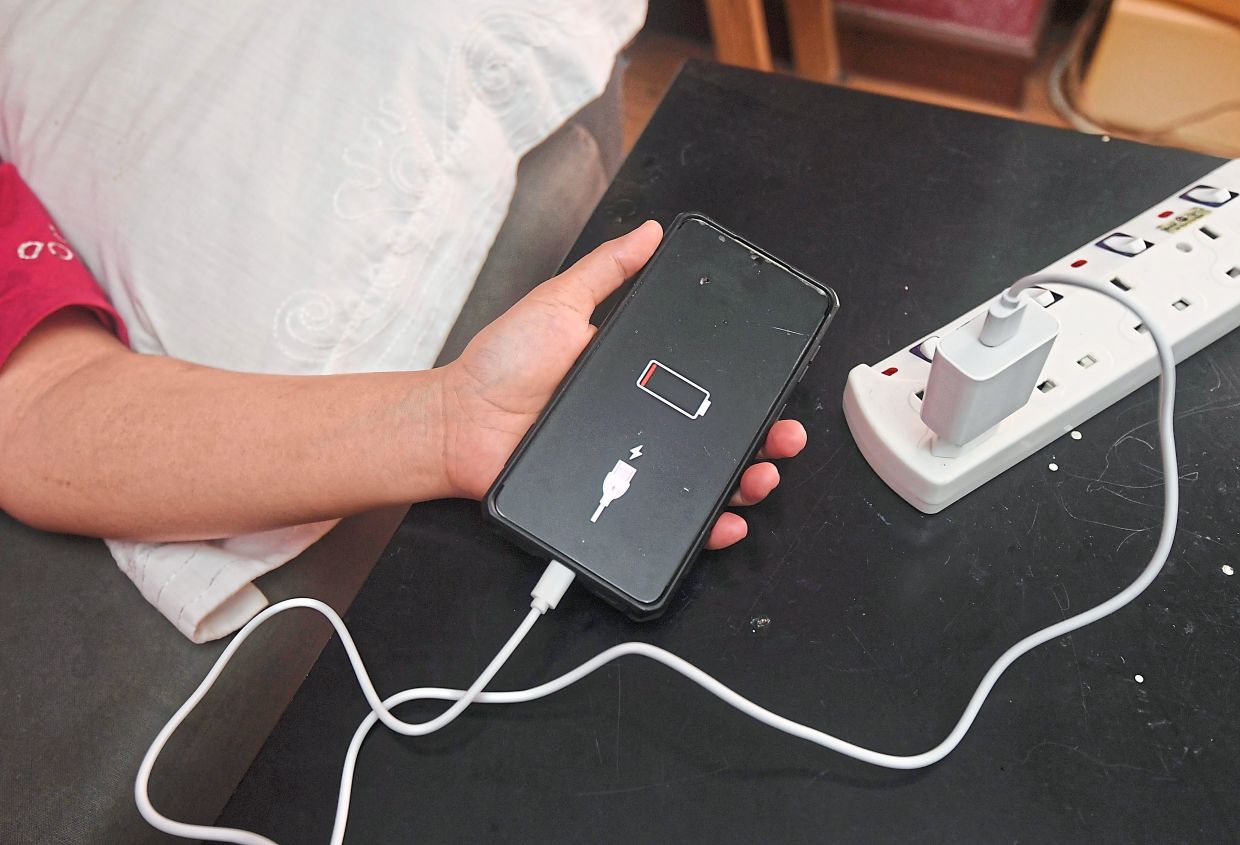
The department's investigation has catalogued a taxonomy of dangerous charging behaviours that householders routinely adopt without appreciating their fire potential. Overnight charging without monitoring ranks among the most common risky practices, as devices left unattended during sleep hours cannot be quickly unplugged or doused if thermal runaway or electrical malfunction occurs. The use of non-certified chargers and sub-standard charging cables represents another significant vulnerability, as counterfeit or low-quality equipment often lacks proper voltage regulation and thermal protection mechanisms designed into legitimate products. Perhaps most hazardous is the placement of charging devices on soft furnishings—mattresses, pillows, upholstered sofas, and blankets—which provide ideal conditions for heat accumulation and fuel for spreading flames should ignition occur.
Beyond these primary risk factors, investigators have identified secondary practices that compound danger when combined with primary hazards. Overloading electrical power strips with multiple simultaneous device charges generates sustained heat buildup and can overwhelm circuit protection systems designed for lighter loads. Operating visibly deteriorated devices—those exhibiting swollen or bulging battery casings, excessive heat generation, acrid burning odours, or cable damage—dramatically elevates ignition risk, as these signs indicate internal degradation that may have compromised the device's thermal management systems. The continued use of damaged sockets, corroded adaptors, or frayed cables perpetuates electrical hazards that should trigger immediate replacement rather than continued utilisation.
Public behaviour towards charging safety reveals a troubling prioritisation of cost over risk mitigation. Many Malaysian consumers continue selecting cheaper, unverified chargers and electrical accessories rather than certified alternatives, effectively trading immediate financial savings for heightened fire exposure. This economically-driven decision-making becomes particularly acute in price-sensitive market segments where consumers may view premium-priced certified chargers as unnecessary expenditure. The proliferation of substandard charging equipment that fails to meet established safety standards substantially increases the likelihood of electrical overheating, internal short circuits, and thermal runaway situations that can ignite surrounding materials. The fire department has traced numerous incidents directly to equipment that, had it been certified and properly manufactured, would have incorporated automatic shutoff mechanisms or thermal cutoffs preventing dangerous temperature escalation.
The department's recommendations reflect evidence-based approaches to reducing residential fire risk from electronic devices. Consumers are strongly urged to avoid charging devices on soft surfaces where heat cannot dissipate and flammable materials sit adjacent to potential ignition sources. Immediate replacement of damaged sockets, compromised power cords, and failing charging adaptors removes known hazards before they can precipitate incidents. Most critically, the fire department emphasises the importance of selecting charging equipment bearing SIRIM (Standards and Industrial Research Institute of Malaysia) certification and other recognised international safety approvals—a practice that requires consumers to exercise due diligence when purchasing replacements or supplementary chargers.
The persistence of these incidents despite previous awareness campaigns suggests that public education efforts have not achieved sufficient penetration or behavioural change across Malaysian households. The fire department acknowledges this gap explicitly, indicating that messaging around device charging safety requires enhancement and broader reach to meaningfully shift consumer practices. Institutional strategies moving forward encompass expanded fire safety education initiatives targeting households and schools, preventive outreach programmes highlighting real-world incident consequences, and collaborative engagement with industry bodies, consumer protection agencies, and retail partners to ensure that safer products receive market prominence. This multi-stakeholder approach recognises that individual responsibility, product availability, regulatory enforcement, and public awareness must align to reduce preventable fire losses that continue draining household resources and placing families at risk.