Universiti Teknologi MARA (UiTM) Kelantan is actively discouraging deserving students from low-income families from declining university places due to financial constraints, emphasizing that substantial support mechanisms exist to help them overcome economic barriers to tertiary education. The message comes amid intensifying competition for positions at Malaysia's public universities, where fewer spots mean each acceptance letter represents a valuable opportunity that should not be taken lightly without exploring available assistance options.
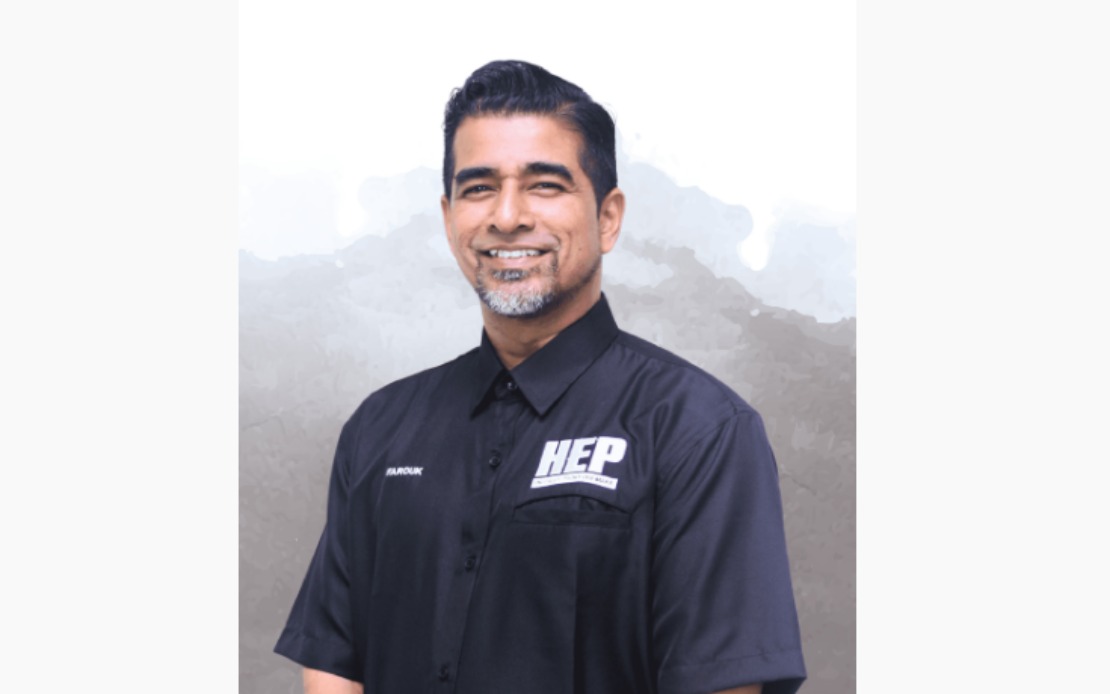
Meer Zhar Farouk Amir Razli, Deputy Rector for Student Affairs at UiTM Kelantan, highlighted that students need not depend exclusively on the National Higher Education Fund Corporation (PTPTN) loans when funding their studies. The campus provides a diversified support ecosystem that extends beyond conventional credit arrangements, encompassing financial grants through Islamic channels, targeted welfare assistance, and practical living support initiatives designed to reduce the overall financial strain on economically disadvantaged households.
A cornerstone of this assistance framework is the Dapur MADANI initiative, which operates within the university's residential colleges and directly addresses one of the largest expense categories for students—food and daily living costs. By subsidizing or providing meals and essentials through this programme, the university removes a fundamental concern that often forces talented students from poor backgrounds to abandon their educational aspirations, recognizing that hunger and inadequate living conditions undermine academic performance regardless of intellectual capability.
The initiative reflects a broader institutional commitment to ensuring that economic status does not become a barrier to educational mobility in Malaysia. Given that tertiary education typically represents the most direct pathway out of poverty for first-generation learners, UiTM's multi-layered approach addresses a critical gap in the Malaysian education ecosystem. Many capable students continue to reject legitimate admission offers believing they cannot afford to attend, unaware of the full spectrum of financial resources available to them—a knowledge gap that the university is actively working to close.
UiTM Kelantan recently demonstrated this commitment through the Rector's Cakna Programme, an outreach initiative developed in partnership with local non-governmental organizations. The programme specifically targets newly enrolled students requiring immediate assistance, combining information dissemination with tangible support such as technology provision. This collaborative approach recognizes that addressing student poverty requires engagement with community stakeholders and that universities cannot solve these challenges in isolation from broader social support networks.
The personal story of Norzarra Dhania Amir Abdullah, a nineteen-year-old Diploma in Management student, illustrates both the real obstacles facing disadvantaged Malaysian students and how improved institutional support can enable them to pursue education. When Norzarra Dhania received an offer from UiTM Sarawak the previous year, her family's financial situation forced her to decline, despite her determination to continue studying. Her household, which includes seven siblings, depends almost entirely on her mother's income from restaurant work following her father's illness with diabetes, leaving minimal financial capacity for relocation expenses required by an off-state campus.
The arrival of an offer from the Kelantan campus fundamentally altered this trajectory, as proximity to home dramatically reduced the financial burden. Rather than requiring accommodation costs and the expenses associated with relocating to another state, Norzarra Dhania could now live with family while attending university, transforming an unaffordable opportunity into an accessible one. UiTM Kelantan's support scheme extended this opportunity further by providing her a laptop, recognizing that access to technology has become essential for contemporary university-level study and that first-generation students from low-income households often lack the resources to acquire such equipment independently.
Norzarra Dhania's determination throughout this process—maintaining her aspiration to pursue higher education despite facing genuine economic hardship—reflects a broader reality affecting Malaysian education: capable students exist at every income level, yet systemic barriers create unequal access to opportunity. Her resolve to continue despite earlier disappointment demonstrates the resilience common among students from disadvantaged backgrounds, who often bring exceptional motivation and work ethic to their studies precisely because they understand education as their pathway to social mobility.
The competition for places at Malaysia's public universities continues to sharpen as demand for higher education grows while institutional capacity expands more slowly. Within this constrained environment, universities like UiTM face mounting pressure to ensure that their admission decisions translate into actual enrollment rather than rejection of offers due to financial barriers. When capable students decline places because they lack awareness of available support, the entire higher education system becomes less efficient at converting educational investment into human capital development.
For Malaysian policymakers and institutional leaders, UiTM Kelantan's approach offers a replicable model for other universities grappling with student retention and equity challenges. By bundling financial assistance, welfare support, technology provision, and community partnership into a comprehensive framework rather than offering isolated interventions, the institution acknowledges that poverty is multidimensional and requires correspondingly varied responses. The Dapur MADANI initiative particularly demonstrates how residential college systems can become platforms for addressing student welfare rather than merely dormitory arrangements.
Looking forward, the broader implication of UiTM Kelantan's advocacy extends beyond this single campus or institution. Malaysia's demographic dividend depends upon maximizing educational attainment across all socioeconomic strata, yet too many qualified students from poor backgrounds continue making educational decisions based on incomplete information about available support. Enhanced communication strategies, earlier intervention in the decision-making process, and visible institutional commitment to supporting disadvantaged students can collectively shift the narrative from rejection born of necessity to acceptance grounded in genuine affordability.
The experience of Norzarra Dhania and her peers underscores why universities must actively counter the assumption that poverty automatically precludes university attendance. When institutions remain passive in this regard, allowing students to accept or reject offers without understanding the full support landscape, they inadvertently reinforce socioeconomic barriers to education. Conversely, when universities like UiTM Kelantan proactively inform students and families about available assistance, directly provide support, and celebrate student success, they signal that educational access remains possible regardless of economic background—a message particularly crucial in a competitive environment where each university place represents precious opportunity.


