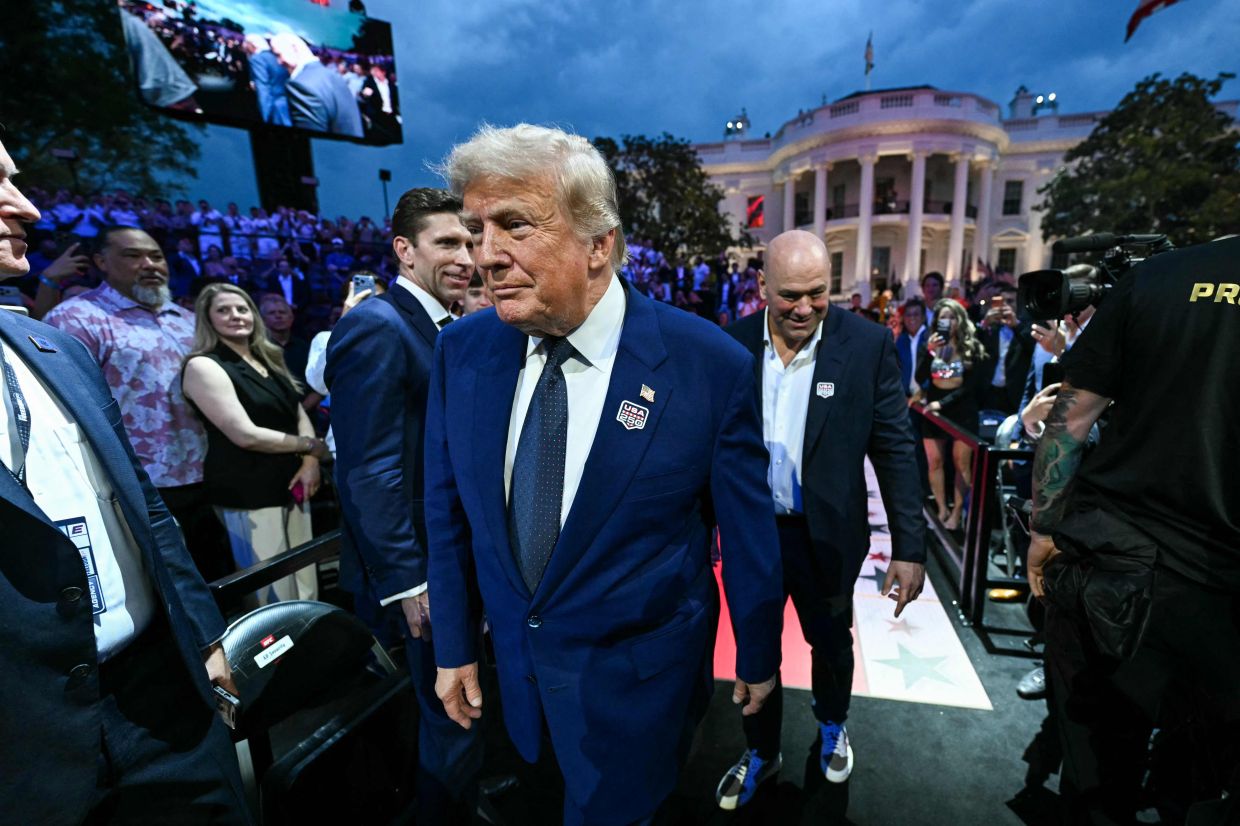
Donald Trump rang in his 80th birthday by bringing one of the world's most visceral combat sports to the heart of American power, staging an Ultimate Fighting Championship event on the White House South Lawn before departing for contentious diplomatic negotiations in France. The decision to host a UFC extravaganza—complete with seven cage matches, a nearly 100-foot-tall fighting arena, and an estimated 120,000 spectators—represented an unconventional and theatrical use of the presidential residence that departed sharply from the decorum traditionally associated with the nation's most famous building.
The fights commenced just before 8:30pm on Sunday evening, with Trump and UFC President Dana White walking through the White House corridors to the arena dubbed "the Claw." Weather complications nearly derailed the proceedings, as lightning and thunder threatened to interrupt proceedings, but organizers pushed forward with the spectacle. The arena itself, towering higher than the White House structure, contained 4,300 seats within the octagon-shaped fighting cage, whilst an additional 120,000 spectators gathered at the Ellipse nearby to view the action on screens, having obtained free tickets through a lottery system.
The guest list reflected Trump's broader coalition-building strategy heading into his presidency. Meta Platforms CEO Mark Zuckerberg, Paramount Skydance CEO David Ellison, Treasury Secretary Scott Bessent, and Trump family members occupied prominent positions in the audience. Podcast personality Joe Rogan, whose massive following among young male voters aligned closely with Trump's electoral base, provided live commentary throughout the evening's matches. Military service members dotted the crowd, and the broadcast featured watch parties at military installations globally, including bases in Okinawa, Japan, underscoring the event's reach beyond Washington.
The UFC's core demographic—predominantly young, male supporters—represented a crucial voting bloc in Trump's 2024 election triumph. This alignment between the organization and the Trump administration extended beyond symbolic gestures. The State Department and Federal Bureau of Investigation both negotiated formal partnership agreements with the company, reflecting how the administration has moved to embrace the UFC and its parent company TKO Group Holdings. Additionally, the Trump family's own venture, World Liberty Financial, contributed an extra $250,000 bonus to the tournament's top two fighters, deepening the financial and personal entanglement between the sporting organization and the presidency.
Despite the grandeur and prominent attendees, public sentiment remained divided. A YouGov poll released on June 5 revealed that 51 percent of Americans surveyed disapproved of the White House fight, whilst only 27 percent expressed approval. The event generated sufficient legal opposition that the Public Integrity Project filed suit, characterizing the spectacle as a "volcano of corruption." Court filings disclosed that over seven federal agencies allocated considerable resources and personnel to facilitate the event, raising questions about the use of taxpayer resources for what was framed as a private celebration.
Financial arrangements surrounding the event proved complex and somewhat opaque. The UFC stated it would absorb the entire cost, reported to exceed $60 million, whilst handling all sponsorship negotiations independently. Corporate sponsors appearing on the UFC Freedom 250 website included cryptocurrency platform Crypto.com and automobile manufacturer Dodge's Ram truck division, reflecting the entertainment and commercial nature of the celebration. White contended the event would represent a financial loss for UFC, though other company executives offered different assessments when discussing the venture's ultimate profitability.
The pregame festivities showcased the Trump team's ambition to weave combat sports into the nation's civic fabric. White and the competing fighters held their official news conference at the Lincoln Memorial, one of America's most iconic structures, where participants hurled insults at rivals and boasted of impending victories. Fighter Michael Chandler articulated the symbolic weight of the moment, stating that audiences would witness "the best version of" himself "on the White House lawn for America's 250th birthday." This framing connected the sporting event to Trump's broader celebration of the country's 250th anniversary, which also encompassed commemorative gold coins bearing the president's image, a substantial fair on the National Mall, and an IndyCar racing event scheduled for August through Washington's streets.
The physical transformation of the White House grounds itself sparked debate about presidential precedent and permanence. The South Lawn, traditionally the site of ceremonial events such as the Easter Egg Roll and Congressional Picnic, hosted locker room facilities including the Indian Treaty Room, usually reserved for formal governmental functions. The Claw's unprecedented scale—exceeding the height of the residence itself—led Trump to muse publicly about keeping the structure permanently. In a June 2 TikTok video, he compared the arena to the Eiffel Tower, suggesting it might become a lasting addition to the presidential landscape. He later clarified the comments as joking, though court filings indicated that disassembly would commence at 10am Monday morning, immediately after Trump's departure for France.
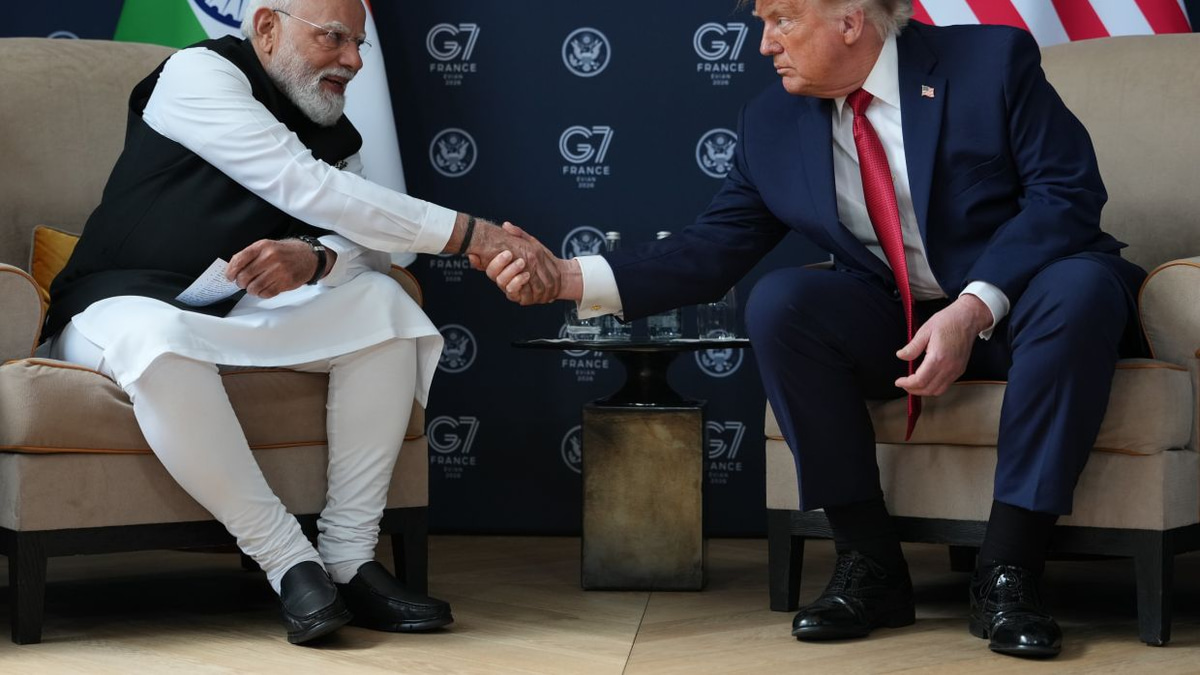
The timing of the event illuminated Trump's dual focus heading into his second term. Within hours of celebrating his milestone birthday at the White House, surrounded by allies, celebrities, and military personnel, he would traverse the Atlantic to meet with Group of Seven leaders in discussions likely marked by sharp disagreements over trade, Ukraine, and American global strategy. The UFC championship belt reportedly accompanied the president on his journey to France, serving as a tangible reminder of the evening's spectacle. The contrast between the pageantry of the White House event and the serious diplomatic negotiations awaiting him underscored the unconventional nature of Trump's approach to presidential authority and public presentation.