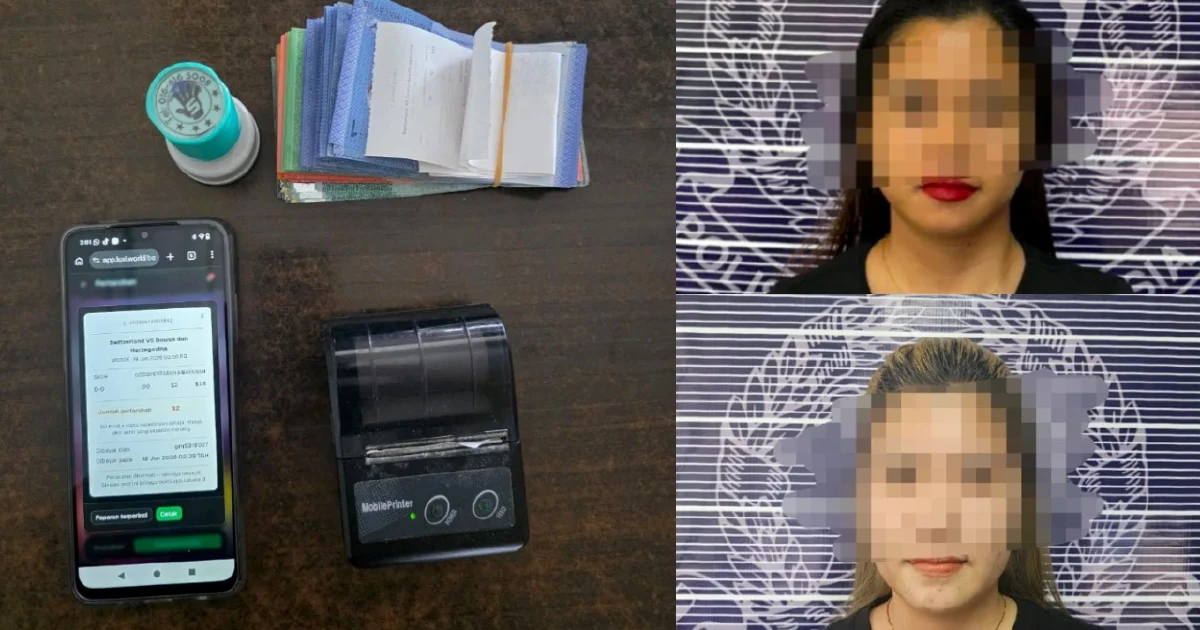
Sarawak police have moved against an alleged illegal World Cup betting operation, arresting three women in coordinated enforcement sweeps across the Kuching district. The simultaneous operations yesterday targeted individuals suspected of functioning as agents for unlicensed wagering on the upcoming 2026 FIFA World Cup tournament, signalling intensified efforts by authorities to stamp out illicit gambling networks that flourish during major sporting events.
The arrests underscore a persistent challenge facing Malaysian law enforcement: the proliferation of underground betting syndicates that exploit public enthusiasm for international football competitions. These operations typically operate through informal networks, with agents like those detained acting as intermediaries between bettors and larger criminal organisations that coordinate wagering activities across multiple jurisdictions. The use of agents, particularly women who may face fewer suspicions during street-level enforcement, represents a deliberate operational strategy employed by betting syndicates seeking to insulate their leadership from direct police contact.
The 2026 FIFA World Cup presents an especially lucrative target for illegal gamblers and operators. Expanding from 32 to 48 teams and spanning three nations—Canada, Mexico, and the United States—the tournament will generate unprecedented levels of sporting interest and betting activity. Southeast Asian nations, including Malaysia, historically witness sharp surges in illegal wagering during major World Cups, as criminal syndicates mobilise resources to capitalise on the festive atmosphere and concentrated global attention on matches.
Malaysia's regulatory framework governing gambling remains relatively restrictive compared to other jurisdictions. Licensed betting operates primarily through the government-owned Toto and Magnum outlets for lottery-style games, while sports betting opportunities remain limited. This regulatory gap creates lucrative opportunities for underground operators who offer more flexible betting options, competitive odds, and informal credit arrangements that licensed operators cannot match. Enforcement agencies consequently face constant pressure to combat illicit alternatives that drain potential tax revenue while exposing bettors to fraud and exploitation.
The Kuching operations reflect broader patterns observed across Malaysia during high-profile sporting events. State police forces typically escalate surveillance and raid activities in the weeks preceding and during major tournaments, targeting known betting hotspots, convenience stores used as drop points, and suspected operational headquarters. Intelligence gathering from informants, financial transaction analysis, and mobile phone records frequently guide these enforcement actions, though criminal operators constantly adapt communication methods and transaction channels to evade detection.
Police presence in these investigations carries particular significance for Sarawak, where the state has maintained ongoing commitments to organised crime suppression. The Kuching district, as a major urban centre with substantial floating and transient populations, naturally attracts criminal activity seeking anonymity and market opportunity. Successful prosecution of betting operations disrupts networks and generates deterrent effects, though enforcement experts acknowledge that dismantling these organisations permanently requires addressing fundamental demand factors driving illegal gambling participation.
The detention of the three women now proceeds through Malaysia's legal framework governing unlicensed gambling. Typically, agents and lower-level operatives face charges under relevant gambling statutes with potential sentences ranging from fines to brief imprisonment, while investigations simultaneously pursue higher-level organisers and financiers who coordinate broader operations. The remand period allows police to gather additional evidence, identify connected individuals, and potentially trace financial flows linking these arrests to larger syndicates.
Community impact from illegal betting extends beyond simple vice considerations. Addiction to gambling, particularly in informal settings lacking responsible gambling safeguards, devastates households across Southeast Asian communities. Vulnerable populations including migrant workers and lower-income residents frequently represent substantial portions of underground betting customers, with devastating consequences for family finances and social stability. The operational simplicity of street-level betting—requiring only a mobile phone and personal relationship with an agent—makes participation deceptively accessible compared to regulated alternatives requiring documentation and formal registration.
The timing of these arrests reflects anticipatory enforcement strategies as the 2026 World Cup approaches. Sarawak police and federal authorities increasingly coordinate operations during the multi-month lead period before major tournaments, seeking to disrupt operational infrastructure and arrest key personnel before peak betting seasons commence. This proactive approach, while generating arrests and seizures, remains insufficient to eliminate underlying demand for illicit gambling services, suggesting that sustainable solutions require complementary public education campaigns and expansion of legal betting alternatives that might redirect some participants toward regulated channels.
Looking ahead, the cases against these three women will likely proceed through Sarawak's courts during coming weeks, potentially yielding convictions that populate relevant sentencing precedents. Police have indicated that investigations remain ongoing to identify additional participants and higher-level organisational figures. Enhanced intelligence sharing between Sarawak and federal law enforcement agencies, combined with international cooperation targeting cross-border betting networks, represents continuing strategic priorities for containing illegal gambling's expansion during major sporting events that captivate Malaysian audiences and communities.


