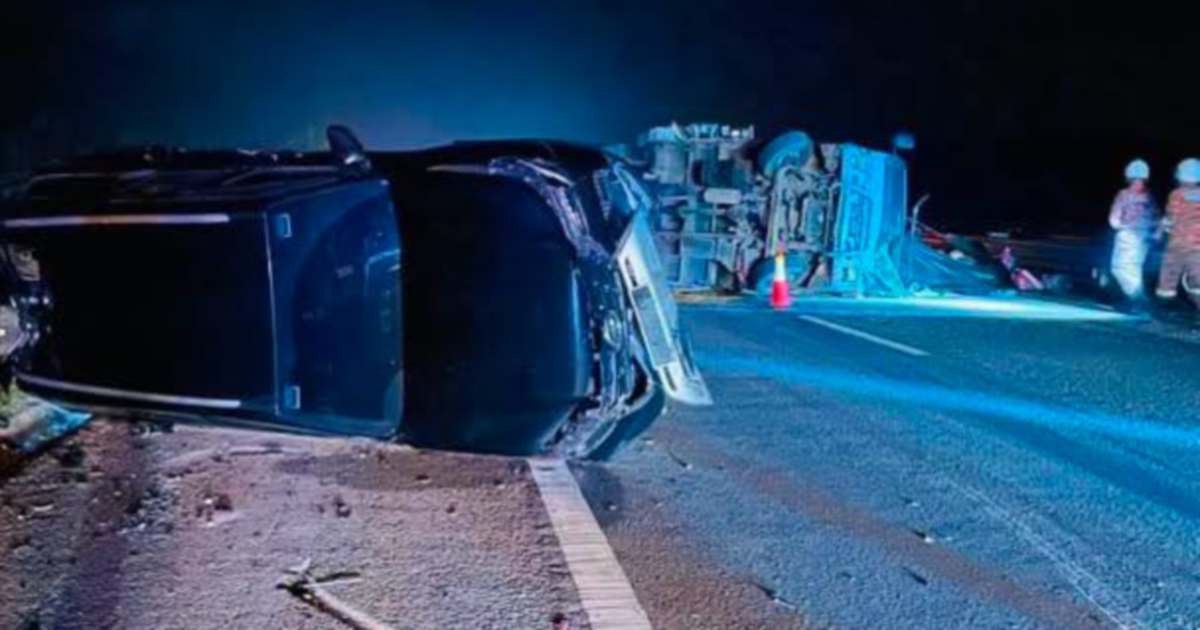
A multi-vehicle collision on the East Coast Expressway near Maran resulted in injuries to seven people on Thursday morning, including three media personnel assigned to Deputy Prime Minister Datuk Seri Dr Ahmad Zahid Hamidi. The incident unfolded at Kilometre 144 of the expressway, a critical stretch of the major north-south transportation corridor that serves millions of commuters and commercial vehicles annually.
The three injured media officers, who form part of the communications team managing the deputy premier's public relations and official announcements, were fortunate to avoid more serious harm despite the severity of the pile-up involving three separate vehicles. Their injuries were sustained in the impact, though authorities did not release specific details regarding the nature or extent of the sustained wounds at the time of the initial report.
Road accidents along Malaysia's expressway network remain a persistent public safety concern, with incidents at peak travel hours frequently creating traffic bottlenecks and raising questions about vehicle maintenance, driver fatigue, and adherence to safety protocols. The East Coast Expressway, which connects Kuala Lumpur to Terengganu and the east coast states, experiences heavy traffic particularly during morning rush hours and weekend holiday periods.
The circumstances surrounding the collision have not been fully disclosed in initial reports. Factors such as visibility conditions, vehicle speeds, driver error, or mechanical failure could all potentially have contributed to the crash. Investigators typically examine such incidents thoroughly to determine root causes and identify whether any systemic issues with road infrastructure or traffic management contributed to the accident.
The involvement of personnel working directly for the deputy prime minister draws attention to safety protocols for vehicles carrying government officials and their support staff. High-profile figures in Malaysian politics typically receive security briefings regarding vehicle safety and route planning, yet unexpected accidents on major expressways underscore that risk mitigation remains challenging in real-world conditions.
The incident occurred during early morning hours, when expressway traffic patterns differ significantly from daytime congestion. Early morning travel typically involves fewer vehicles but occasionally includes drivers who may be fatigued after long overnight journeys or operating heavy vehicles in reduced visibility conditions. Accident rates on expressways during these quieter periods sometimes spike due to driver inattention or excessive speed.
The East Coast Expressway serves as a critical economic artery for Malaysia, facilitating movement of goods and personnel between the capital and eastern states. Disruptions to traffic flow, even temporary ones caused by accident scene investigations and vehicle removal operations, create ripple effects throughout the regional transportation network and impact business operations dependent on reliable logistics.
With seven people injured overall, the incident required emergency response from police, paramedics, and towing services to clear the expressway and provide medical attention. The scale of the collision meant that traffic management authorities likely implemented diversions or temporary lane closures, affecting subsequent commuter journeys and delivery schedules throughout the morning.
For media personnel working in high-pressure government communications roles, workplace safety encompasses not only office-based risks but also travel-related dangers inherent in assignments requiring frequent movement between locations. This incident serves as a reminder of the occupational hazards faced by support staff in public service positions who may spend considerable time on major roads.
The deputy prime minister's office would likely have been notified immediately following the accident, as incidents affecting members of the official support team typically trigger internal protocol responses including welfare checks and communication management. Such situations require careful handling to balance transparency with privacy considerations for those injured.
This collision reinforces broader discussions within Malaysia regarding road safety infrastructure improvements, enforcement of traffic regulations, and driver education programs. The expressway system, while generally modern and well-maintained, continues to experience accident clusters at specific locations, suggesting that targeted safety interventions could potentially reduce future incidents.
Authorities investigating the Maran accident would typically examine factors including weather conditions at the time, mechanical condition of all three vehicles involved, and driver statements regarding the collision sequence. Such investigations contribute valuable data to national road safety statistics and may inform policy decisions regarding expressway management.
The recovery of those injured will be monitored through hospital follow-up care, and the incident may prompt reassessment of travel protocols for personnel supporting high-ranking officials. While the media officers avoided serious injury in this instance, the incident underscores that comprehensive safety measures remain essential for all road users regardless of their professional status or official connections.


