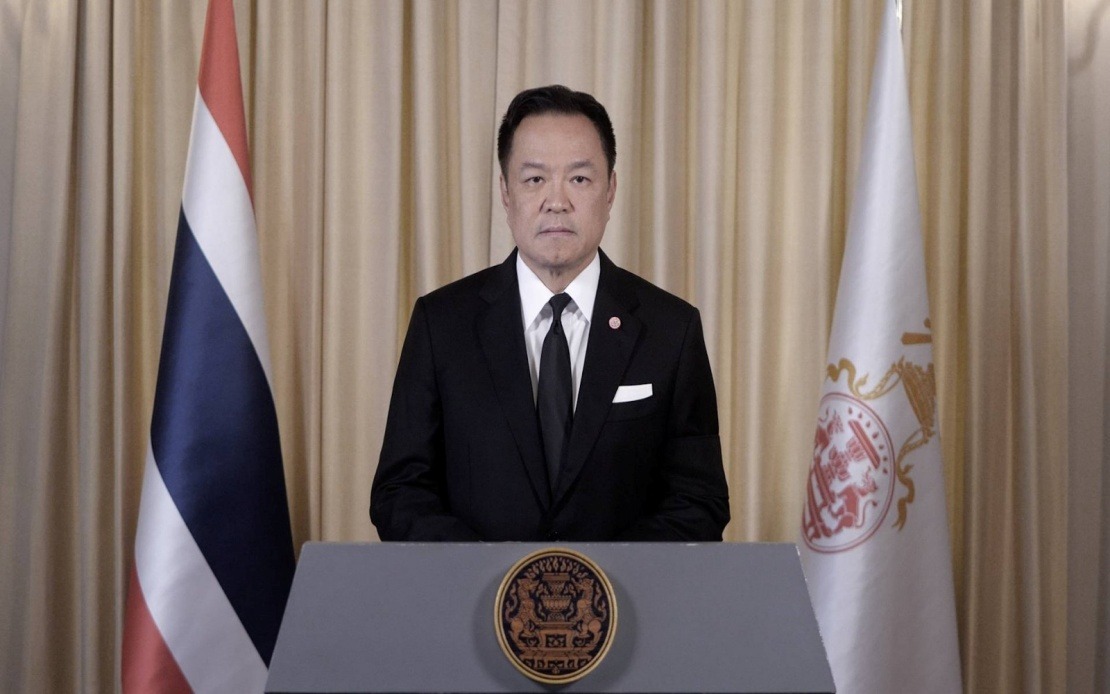
Thailand's government has signalled cautious optimism regarding announcements of a potential ceasefire between the United States and Iran, with senior officials suggesting such a breakthrough could provide meaningful relief to regional economies grappling with persistent geopolitical volatility. Prime Minister Anutin Charnvirakul articulated this position during remarks at Government House in Bangkok, framing any lasting agreement in West Asia as a constructive step toward resolving interconnected global crises that have tested economic resilience across Southeast Asia.
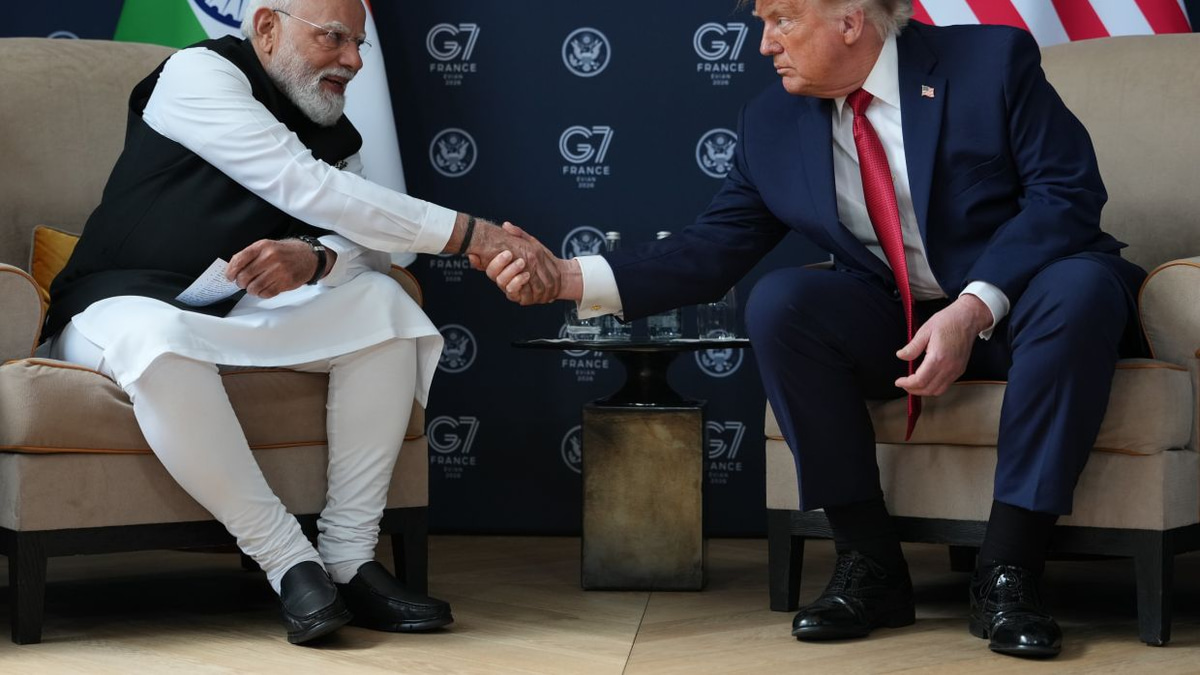
The Thai government's measured response reflects a broader strategic recognition that Middle Eastern tensions carry outsized consequences for energy-dependent economies throughout the region. When US President Donald Trump announced the finalisation of an agreement with Iran and authorised the reopening of the Strait of Hormuz and the lifting of a naval blockade, Bangkok's policy establishment immediately grasped the potential implications for its own economic trajectory. For Thailand, a nation heavily reliant on oil and natural gas imports to power its manufacturing and tourism sectors, any stabilisation of energy markets translates into tangible benefits for both macroeconomic management and household purchasing power.
Deputy Prime Minister and Finance Minister Ekniti Nitithanprapas elaborated on these considerations, emphasising that reducing conflict intensity in the Middle East could dampen inflationary pressures that have squeezed Thai consumers and small business operators. His comments underscored a reality facing all Southeast Asian economies: global energy price volatility acts as a transmission mechanism through which distant geopolitical events become domestic policy challenges. By signalling governmental confidence that improved international conditions could unlock stronger economic growth than current projections anticipate, Ekniti positioned Thailand as ready to capitalise on a more benign external environment should one materialise.
Thailand's demonstrated capacity to navigate supply chain disruptions and external shocks has become a point of institutional pride within the government, reflecting lessons learned during prior episodes of regional turbulence. Prime Minister Anutin explicitly highlighted this adaptive capacity, noting that Bangkok operates according to long-term strategic frameworks rather than lurching between reactive responses to daily developments. This philosophy suggests that even though the government welcomes news of potential diplomatic breakthroughs, Thai policymakers maintain prudent scepticism about the durability of any agreements and continue preparing contingency approaches to manage energy security challenges.
The timing of Thailand's optimism carries particular significance for Southeast Asia more broadly, as the region has increasingly sought to insulate itself from the economic fallout of external conflicts. Thailand's openness to celebrating a ceasefire reflects not merely diplomatic courtesy but genuine recognition that Middle Eastern stability serves the collective economic interests of ASEAN members. When energy prices moderate due to reduced geopolitical risk premiums, the benefits ripple through supply chains, manufacturing competitiveness, and consumer spending across the entire region, creating conditions more conducive to investment and job creation.
Yet beneath the hopeful rhetoric lies a more complicated policy reality. The Thai government has committed to a 200-billion-baht energy transition programme aimed at reducing long-term vulnerability to oil price shocks and enhancing renewable capacity. Finance Minister Ekniti's remarks indicated that this transition agenda would continue regardless of near-term energy price expectations, signalling institutional judgment that structural dependency on fossil fuel imports represents an unacceptable strategic vulnerability. This dual-track approach—welcoming lower energy prices while simultaneously investing in energy independence—demonstrates sophisticated policymaking that refuses to treat a temporary reprieve from geopolitical tension as a substitute for fundamental economic transformation.
For Malaysian readers and broader Southeast Asian observers, Thailand's measured enthusiasm about US-Iran diplomatic progress offers useful perspective on how regional economies navigate interconnected global crises. Unlike countries with direct Middle Eastern security commitments or significant defence relationships with major powers, Thailand approaches such developments primarily through an economic lens, prioritising the flow-through effects on inflation, investment climate, and competitive positioning. This pragmatic focus reflects Thailand's post-Cold War positioning as a commercial hub seeking stability above all other geopolitical considerations.
The broader implications extend beyond Thailand itself. If the Strait of Hormuz reopens and international energy markets stabilise, shipping companies throughout Southeast Asia, including those based in Malaysia, Singapore, and Indonesia, would benefit from reduced insurance costs and more predictable transit conditions. Manufacturing hubs across the region could enjoy lower input costs for energy-intensive production. Tourism sectors, including Thailand's, would benefit from reduced inflation that props up visitor spending power in advanced economies that supply the bulk of regional tourism revenue.
Thailand's experience managing prior supply chain disruptions and economic shocks provides a template for how Southeast Asian economies can prepare for future uncertainties while maintaining strategic focus on structural economic transformation. By welcoming diplomatic breakthroughs without abandoning long-term energy diversification initiatives, Bangkok demonstrates that optimism about short-term geopolitical developments need not compromise commitment to medium and long-term resilience building. This intellectual flexibility may prove crucial as the region navigates an era of persistent geopolitical competition and economic volatility.