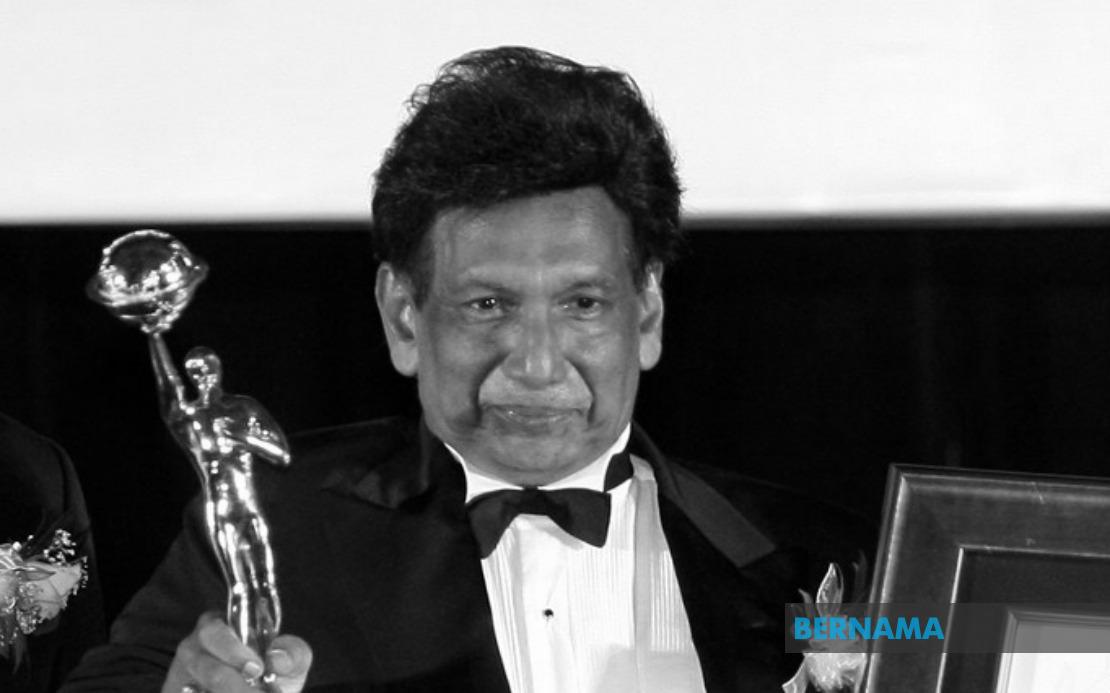
The Malaysian mental health sector has lost one of its most influential figures with the passing of Tan Sri Dr M. Mahadevan, who succumbed to heart and lung complications at his residence in Ukay Heights, Ampang, at approximately 7:45 pm on June 15. The 96-year-old was surrounded by family members at the time of his death, according to his carer Thenagaran, who confirmed the news to national news agency Bernama.
Dr Mahadevan had been receiving medical treatment at a private healthcare facility in Ampang for the preceding month, where doctors were managing his cardiac and respiratory ailments following an initial heart failure episode and subsequent lung infection. His health had deteriorated significantly enough that he was initially placed in intensive care, but his condition prompted a decision to return home for his final days. Thenagaran recounted that the respected physician had expressed a preference to spend his remaining time at his residence rather than continue in-patient treatment.
For more than sixty years, Dr Mahadevan was instrumental in establishing and developing Malaysia's modern psychiatric infrastructure from the ground up. His reputation as the "Father of Modern Psychiatry" in Malaysia reflects the profound and lasting impact of his work on the nation's approach to mental health services and professional practice standards. His contributions extended beyond clinical practice into institutional leadership and international advocacy, positioning him as a transformative figure in Southeast Asian mental health development.
During the 1980s, Dr Mahadevan served as the government's chief psychiatrist, a role that gave him significant influence over national mental health policy formulation. He also founded and presided over the Malaysian Psychiatric Association, establishing an organisational framework that continues to guide psychiatric practice and professional standards in the country. These positions enabled him to implement systemic changes that moved Malaysian psychiatry toward international best practices.
Born on September 9, 1929, Dr Mahadevan's medical journey took him across multiple continents before his return to Malaysia. He completed his foundational education at St John's Institution in Kuala Lumpur before pursuing medical studies in Bangalore, India, graduating in 1961. Following graduation, he gained additional clinical and research experience in Ireland at University College Dublin, broadening his exposure to diverse psychiatric methodologies and theoretical frameworks.
His academic and clinical achievements garnered international recognition, particularly for his pioneering work in hypnotherapy and psychosomatic medicine. Harvard University recognised his contributions by establishing a travel scholarship programme bearing his name, one of the highest honours a foreign practitioner can receive. He also became the first Malaysian to hold the presidency of the Asian Branch of the International College of Psychosomatic Medicine, representing the region's psychiatric advancement on a global stage.
The trajectory of Dr Mahadevan's return to Malaysia in 1967 represented a pivotal moment for the nation's healthcare development. He accepted an invitation from Malaysia's first Prime Minister, Tunku Abdul Rahman Putra Al-Haj, specifically to construct and lead the modernisation of the country's mental health services. This represented a strategic investment in institutional capacity-building during a formative period of post-independence nation-building when mental health infrastructure was underdeveloped.
At the forefront of this developmental mission, Dr Mahadevan established and became the first director of the Central Mental Hospital, which was subsequently renamed Hospital Bahagia Ulu Kinta. This institution became a flagship facility for psychiatric treatment, training, and research in Malaysia, setting standards that influenced mental health care provision across the region. The facility's establishment under his leadership represented a shift from fragmented, ad-hoc mental health responses toward a coordinated, professionally managed system.
Dr Mahadevan's legacy extends to the institutional frameworks and professional standards that remain embedded in Malaysia's mental health sector today. The Malaysian Psychiatric Association, which he founded, continues to serve as the primary professional body governing psychiatric practice, education, and ethics. His emphasis on international collaboration and evidence-based practice helped position Malaysia as a leader in Southeast Asian mental health innovation and professionalisation.
The implications of his passing resonate throughout Malaysia's healthcare system as practitioners and policymakers reflect on the contributions he made to establishing mental health as a legitimate and important medical discipline. During his formative career in the 1960s and 1970s, psychiatry faced significant stigma and limited resources in Malaysia. Dr Mahadevan's institutional leadership and international credibility helped elevate the profession's standing and attracted investment in mental health services that might otherwise have been deprioritised in favour of acute medical needs.
For Malaysian readers and the broader Southeast Asian context, Dr Mahadevan's work represents an important chapter in the region's healthcare modernisation. His approach to building institutions rather than merely delivering individual clinical services created durable systems that have expanded mental health capacity across multiple generations. This institutional-building approach remains relevant for contemporary Southeast Asian healthcare challenges, particularly as nations grapple with rising mental health burdens and limited specialist resources.
Members of the public wishing to pay their respects were invited to visit the family residence at No. 32, Lorong Lee Hin Neo 1, Ukay Heights, from 10 am to 1 pm and 3 pm to 6 pm on June 16 and 17. The funeral service was scheduled for Thursday, June 18, commencing at 9:30 am at the residence, with the body subsequently transported to the Sentul Hindu Crematorium at noon. The arrangements reflected his family's desire to allow colleagues, patients, and the broader medical community an opportunity to acknowledge his contributions and pay final respects.


