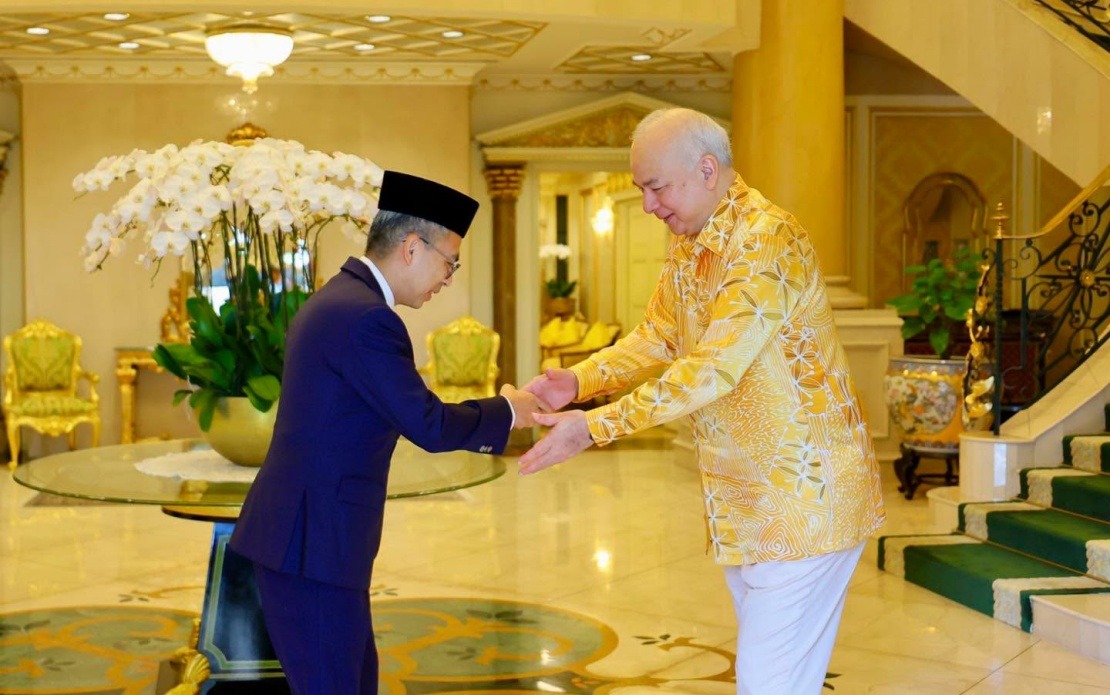
Communications Minister Datuk Fahmi Fadzil has updated Sultan Nazrin Shah, the Sultan of Perak, on the government's ongoing commitment to developing and expanding communication infrastructure throughout the state. The briefing took place during a formal audience, where the minister provided an overview of strategic initiatives designed to strengthen digital connectivity and broaden service accessibility across Perak's diverse regions.
The government's push to enhance communication infrastructure in Perak reflects broader efforts to address connectivity gaps in Malaysia's less urbanised areas. Perak, despite its significant economic importance as a major tin and rubber-producing state, has traditionally faced challenges in achieving comprehensive digital coverage, particularly in rural and semi-rural communities. The briefing underscores the administration's recognition that robust communication networks are essential for economic development, educational advancement, and access to digital services across all demographic segments.
Beyond the infrastructure development agenda, the minister highlighted the equally critical issue of online safety during his audience with the royal ruler. This dual focus—simultaneously building better networks while protecting users from digital threats—reflects a maturing understanding within government circles that connectivity alone is insufficient without corresponding safeguards. Online safety encompasses multiple concerns including cybersecurity threats, digital fraud, inappropriate content exposure, and data privacy breaches, all of which disproportionately affect vulnerable populations including children and elderly citizens.
The audience with Sultan Nazrin Shah carries particular significance in Malaysia's constitutional framework. The rulers of the federation maintain custodial roles over the welfare and development of their respective states, and regular briefings from federal ministers on major projects and policy initiatives represent an important channel of communication and accountability. By seeking and obtaining a royal audience to discuss these matters, Minister Fahmi demonstrated respect for the state's institutional structures while ensuring that the Perak Royal Household remains informed about significant developments affecting the state's residents.
For Perak residents, improved communication infrastructure promises tangible benefits across multiple sectors. Enhanced broadband penetration and mobile network coverage would enable better access to e-commerce opportunities, telemedicine services, and online education platforms—advantages that have become increasingly vital in the post-pandemic economy. Small and medium enterprises in the state, which form the backbone of local employment, would gain improved capabilities to reach broader markets and operate more efficiently through digital tools.
The emphasis on online safety speaks to growing concerns about digital literacy and protection in Malaysia. As internet penetration deepens, particularly among younger users, the risks associated with cyberbullying, data theft, and exploitation escalate correspondingly. Government agencies and private sector partners must collaborate on comprehensive education campaigns that equip citizens with knowledge about safe online practices, recognition of fraudulent schemes, and responsible digital citizenship.
Minister Fahmi's public acknowledgment of the audience and the matters discussed—conveyed through a Facebook post—indicates the government's intention to maintain transparency about its developmental priorities. This approach helps set public expectations about the timeline and scope of infrastructure improvements while signaling that royal institutions remain engaged with policy-making processes affecting their territories.
The initiative also aligns with Malaysia's broader digital economy aspirations. The National Digital Infrastructure Plan and related strategies recognize that state-level improvements aggregate into national capabilities. Perak's position as a key economic region means that communication infrastructure enhancements there contribute meaningfully to overall national competitiveness, particularly in facilitating remote work arrangements and attracting technology-focused investments to the state.
As Malaysia navigates post-pandemic economic recovery, digital infrastructure investments become increasingly competitive advantages. States that successfully deploy reliable, high-speed networks and complementary cybersecurity measures position themselves attractively for both domestic and international investors seeking operational bases in Southeast Asia. Perak's development trajectory in this regard will influence not only local prosperity but also the state's standing within Malaysia's broader regional economic competition.
The consultation with Sultan Nazrin Shah represents more than ceremonial protocol; it reflects acknowledgment that sustainable infrastructure development requires alignment across government structures and respect for constitutional institutions. The Perak Royal Family's continued interest in matters affecting residents' quality of life, as evidenced by the sultan's attention to online safety during the briefing, demonstrates the enduring relevance of traditional institutions in contemporary governance and development initiatives.


