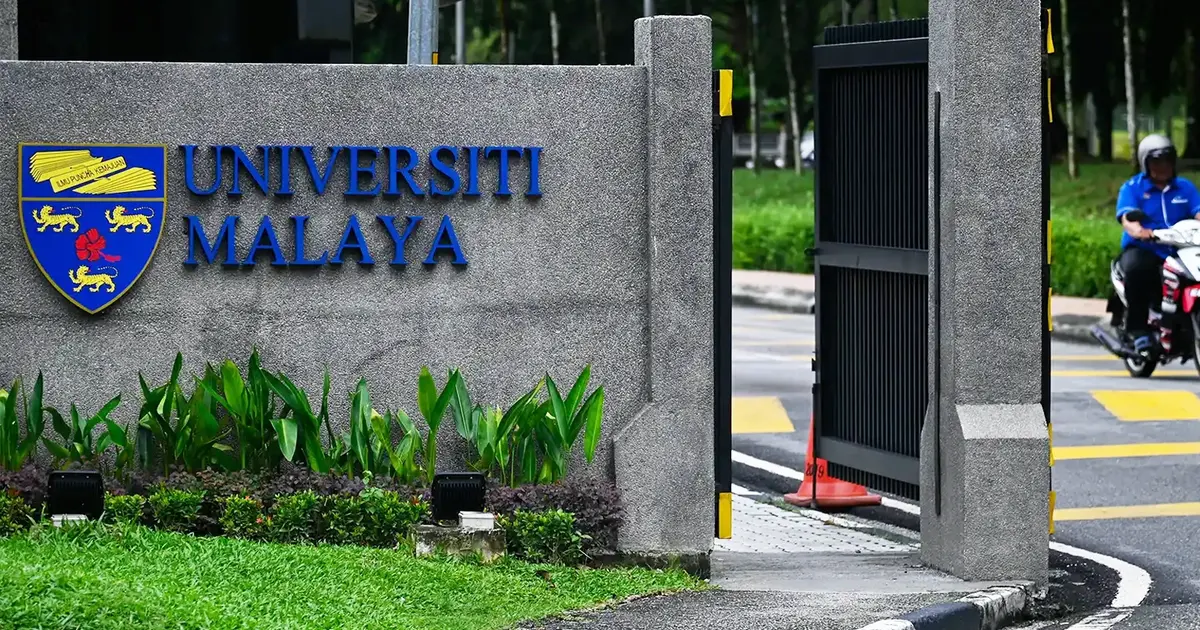
The student activist group NewGen UM has intensified calls on the University of Malaya to publicly release the findings of an ongoing sexual harassment investigation into a faculty member, expressing frustration that no official announcement has materialised despite the institution's previous assurance that the inquiry had reached advanced stages. The group's demand highlights growing concerns about institutional accountability and the pace of disciplinary proceedings at Malaysia's premier research university, where students argue that prolonged silence undermines both victims' rights and the credibility of the investigation process itself.
When the University of Malaya initially acknowledged the investigation last September, officials characterised the matter as approaching completion, suggesting that a formal conclusion and public statement were imminent. However, months have elapsed without any formal disclosure regarding the investigation's outcome, findings, or any sanctions that may have been imposed. This gap between the institution's timeline projection and actual developments has fuelled student activism and raised questions about whether bureaucratic delays, internal complications, or institutional reluctance to publicise disciplinary matters may be responsible for the extended silence.
NewGen UM's intervention reflects broader tensions within Malaysian universities regarding sexual harassment protocols and transparency. Student movements across Southeast Asia have increasingly demanded that institutions move beyond confidential internal reviews and provide meaningful public accountability, particularly when allegations involve abuse of power dynamics inherent in the professor-student relationship. The group's position aligns with international best practices advocating for timely, transparent handling of serious misconduct allegations to maintain institutional integrity and prevent perceptions of cover-ups.
The University of Malaya, as Malaysia's oldest and most prestigious institution of higher learning, operates under heightened scrutiny from both local and international stakeholders. Any perception of sluggish or opaque handling of sexual harassment cases can undermine the university's reputation for excellence and create a chilling effect on future reporting. Students and faculty members may become reluctant to lodge complaints if they harbour doubts about whether investigations will be conducted fairly and concluded within reasonable timeframes.
Institutional investigations into sexual harassment typically involve multiple stages including evidence gathering, witness interviews, legal consultation, and deliberations by disciplinary committees. In cases involving faculty members, universities must also navigate tenure protections and contractual obligations that may complicate proceedings. Nevertheless, extended delays without periodic updates to stakeholders erode confidence in the process and disadvantage complainants who remain in limbo regarding the status of their allegations. Best-practice universities typically provide interim progress reports to relevant parties, even when final determinations remain confidential.
The silence surrounding the University of Malaya investigation occurs against a backdrop of heightened awareness of campus sexual harassment across Asia-Pacific universities. Similar investigations at institutions in Singapore, Australia, and Hong Kong have prompted institutional reviews and policy reforms, with greater emphasis on survivor support and prompt resolution timelines. Malaysian universities have faced increasing pressure from civil society organisations and student movements to align their grievance mechanisms with international standards and demonstrate tangible commitment to protecting students from misconduct.
NewGen UM's public advocacy represents a shift in how Malaysian students engage with institutional governance. Rather than accepting opaque processes, student groups now demand evidence of action and timeline accountability. This assertiveness reflects generational expectations shaped by global movements addressing campus sexual violence and institutional accountability. The group's intervention signals that students increasingly view sexual harassment protocols not merely as administrative matters but as fundamental governance issues affecting institutional legitimacy.
For the University of Malaya, responding constructively to NewGen UM's demands presents an opportunity to strengthen its commitment to transparency while managing legitimate concerns about procedural fairness and due process. Universities can disclose investigation outcomes without necessarily revealing confidential details regarding the complainant's identity or internal deliberations, thereby balancing transparency with appropriate privacy protections. Public announcement of investigation completion and any institutional measures implemented would address student concerns while upholding procedural integrity.
The broader implications extend to how Malaysian higher education institutions calibrate responses to sexual harassment allegations. Delays and silence, whether intentional or administrative, risk undermining trust in systems designed to protect vulnerable students. Conversely, prompt, transparent handling of investigations—even when findings themselves remain subject to confidentiality agreements—demonstrates institutional seriousness and commitment to combating misconduct. Universities operating in an increasingly globalised and digitally connected environment cannot afford reputational damage stemming from perceived indifference to sexual harassment concerns.
NewGen UM's persistence reflects recognition that institutional change rarely occurs without sustained external pressure. Student movements have historically catalysed reforms in admissions policies, campus safety, and welfare provisions across Malaysian universities. Sexual harassment investigation protocols represent a logical extension of this advocacy, as students recognise that institutional credibility depends fundamentally on demonstrating that serious allegations are investigated thoroughly and resolved promptly. The group's continued engagement suggests that the University of Malaya can expect ongoing scrutiny until it publicly addresses the investigation's status and outcomes.
Looking forward, the University of Malaya might consider establishing clear public guidelines on investigation timelines and communication protocols for sexual harassment cases. Such frameworks, adopted by leading institutions worldwide, balance confidentiality imperatives with stakeholder rights to know whether investigations have concluded and whether remedial measures have been implemented. Transparent processes ultimately strengthen institutional integrity and encourage rather than discourage reporting of future misconduct, creating safer and more accountable campus environments across Malaysia's university system.