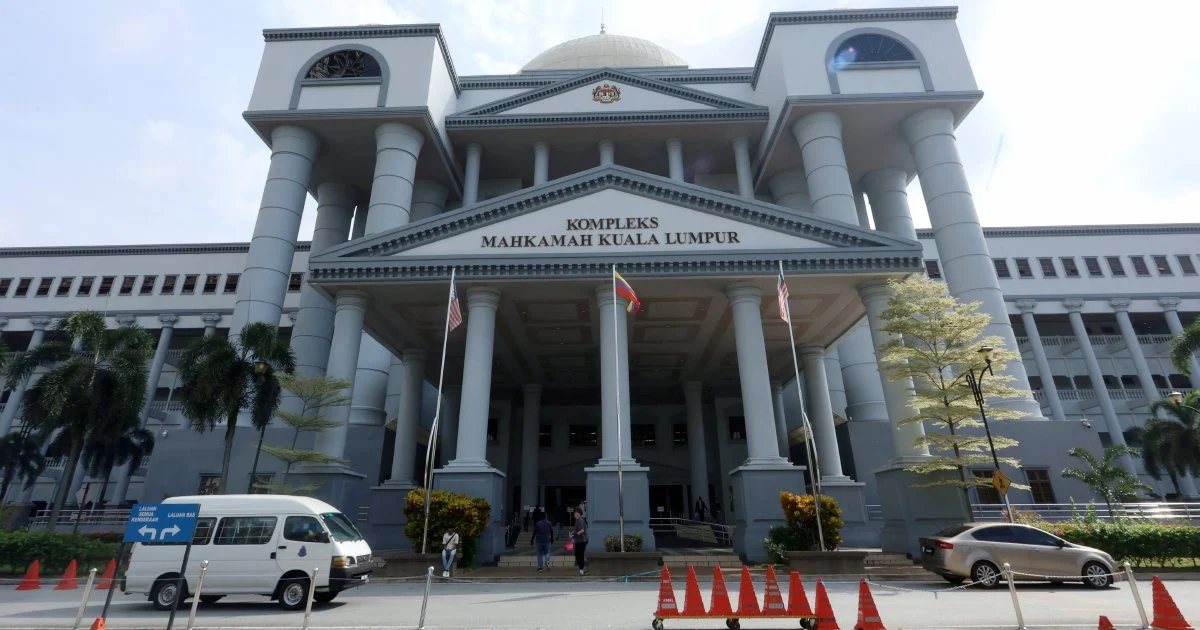
A prominent chief executive officer of a Malaysian statutory body appeared before the Sessions Court yesterday to answer seven corruption charges stemming from an investigation into alleged bribery involving sports facility contracts valued at more than RM1 million. The charges represent a significant enforcement action against high-level public sector corruption, underscoring ongoing efforts by anti-graft authorities to pursue misconduct within state-controlled institutions.
The accused individual allegedly solicited and received illicit payments in connection with the procurement or management of sports-related infrastructure projects. The allegations span a substantial period, and the financial scale of the alleged wrongdoing suggests systematic abuse of procurement processes. Such cases typically involve contractors or service providers offering bribes to expedite approvals, secure favourable contract terms, or bypass competitive bidding requirements.
Statutory bodies in Malaysia occupy a critical position within the governance framework, wielding significant budgetary authority over public resources and infrastructure development. The appointment of chief executives to these organisations carries considerable responsibility, as these individuals make decisions affecting millions of ringgit in procurement and project allocation. When such leadership becomes implicated in graft, it raises fundamental questions about institutional oversight and the effectiveness of internal compliance mechanisms.
The sports facility sector remains particularly vulnerable to corruption due to the discretionary nature of project approvals, relatively opaque procurement processes, and the involvement of private contractors seeking competitive advantage. Malaysia has witnessed numerous cases in recent years involving improper conduct surrounding sporting infrastructure development, from elite training facilities to community recreation centres. Each case exposes gaps in accountability frameworks and creates opportunities for reform in how such projects are vetted and managed.
Anti-corruption agencies have increasingly targeted high-profile positions within state-controlled entities as part of broader efforts to elevate governance standards. The decision to pursue formal charges against a sitting or recently-sitting chief executive sends a clear signal about the seriousness with which authorities view abuse of office. Such prosecutions, when successful, serve as potent deterrents against similar misconduct by other public sector leaders contemplating unethical conduct.
The statutory body involved in this case will likely face scrutiny regarding its internal control systems, audit procedures, and whistleblower protection mechanisms. Investigators typically examine whether existing safeguards successfully identified suspicious transactions or whether warning signs were overlooked. The investigation may also reveal shortcomings in how the organisation vets contractors, monitors expenditures, and segregates duties among procurement officials.
For Malaysian readers concerned with governance quality, such prosecutions demonstrate the anticorruption apparatus continues functioning despite periodic criticisms about selective enforcement. The public nature of these court proceedings enhances transparency and allows citizens to monitor whether the justice system handles elite offenders with appropriate rigour. Contrast with historical patterns where powerful individuals escaped accountability reinforces perceptions that the rules now apply more evenly across status levels.
The implications extend beyond the individual defendant to the broader ecosystem surrounding sports infrastructure projects. Legitimate contractors operating in this space face elevated compliance burdens, increased scrutiny from clients nervous about reputational damage, and potential delays while authorities complete investigations affecting multiple related contracts. The chilling effect on normal business operations represents a real cost imposed by the corrupt conduct of a few individuals.
Regionally, Malaysia's willingness to prosecute senior public sector figures for corruption aligns with ASEAN-wide initiatives to strengthen governance standards and attract legitimate international investment. Countries that allow high-level graft to persist find themselves labelled as high-corruption jurisdictions by investors and development partners, affecting credit ratings and foreign direct investment flows. Conversely, visible enforcement against powerful individuals enhances national credibility in governance matters.
The court proceedings will likely extend over several months as both prosecution and defence present evidence regarding the solicitation and receipt of bribes, the involvement of specific contractors, and the connection to particular sports facility projects. Key evidence will include financial records, bank transfers, communications between the defendant and alleged bribe-payers, and testimony from contractors or intermediaries. The quantum of bribes alleged—exceeding RM1 million—suggests involvement of substantial projects rather than isolated incidents.
Statutory bodies must now conduct internal reviews to ensure their current leadership and procurement officers maintain the highest ethical standards. Many such organisations have implemented enhanced due diligence procedures, mandatory declaration of interests, and improved audit trails following high-profile cases. Whether these measures prove sufficient depends on genuine commitment to implementation rather than mere compliance window-dressing.
The outcome of this case will influence how investigators and prosecutors approach similar situations involving other statutory bodies and government-linked companies. A conviction would reinforce that no position provides immunity from corruption charges, while also establishing important legal precedents regarding the evidentiary standards required to prove solicitation and receipt of bribes in public sector contexts.