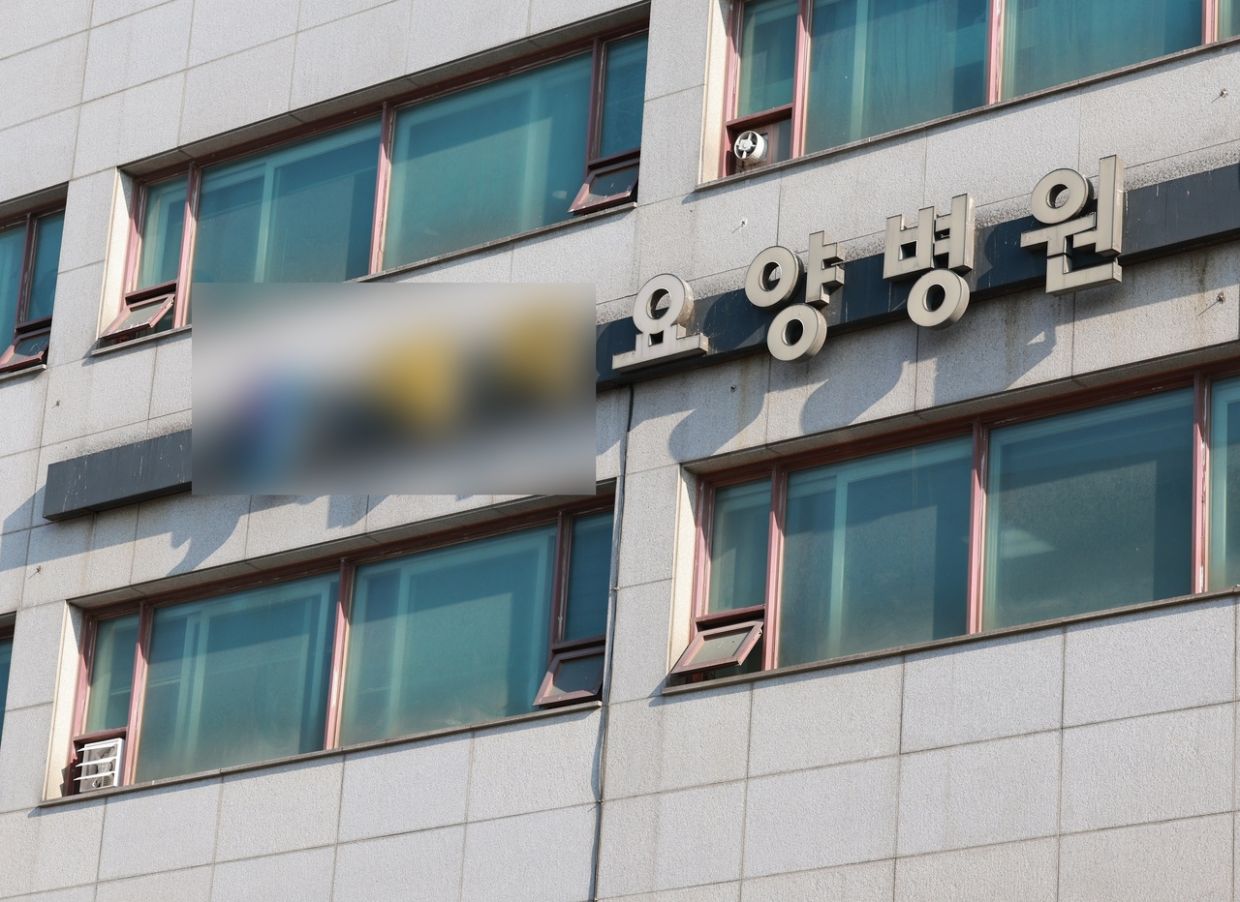
Police in Incheon have resolved the mystery surrounding a human leg found at a recycling facility, revealing a troubling lapse in medical waste handling procedures at a local hospital. According to investigators at the Incheon Yeonsu Police Station, the limb originated from a nursing hospital in Jung-gu and was inadvertently disposed of as recyclable material by cleaning staff who mistook it for a prosthetic mannequin part. The discovery, made on June 10 at the Southern Regional Resource Recovery Centre, triggered a formal investigation that has now uncovered significant procedural breaches in how the healthcare facility managed its medical waste.
The leg belonged to a female patient in her eighties who underwent amputation at the Jung-gu nursing hospital. Initially classified as medical waste by the facility, the limb was incorrectly placed with general refuse by a cleaning worker in their sixties, who failed to recognise its true nature. This critical error in waste segregation represents a fundamental breakdown in protocols that are designed to protect both public health and environmental safety. The circumstances surrounding the incident suggest either inadequate staff training or insufficient oversight mechanisms within the hospital's waste management procedures.
The National Forensic Service played a crucial role in establishing the leg's provenance. Initial forensic analysis confirmed the remains belonged to an adult, prompting a hospital official to voluntarily report that the limb had likely originated from their facility. Subsequent DNA testing conclusively matched the genetic profile to the female patient, definitively establishing the source and eliminating any possibility of a criminal act. This cooperation from hospital staff accelerated the investigation and provided investigators with clear leads for pursuing accountability measures.
The hospital now faces potential prosecution under South Korea's Wastes Control Act, which explicitly mandates that medical waste must be disposed of separately using government-designated containers and procedures. The regulatory framework exists precisely to prevent incidents such as this, where biological material could contaminate recycling streams or pose health risks to workers and the broader community. Investigators are scrutinising whether the hospital complied with these mandatory separation requirements and whether the facility had implemented adequate internal controls to prevent such mishandling.
Parallel to the waste management investigation, authorities are also examining the amputation itself under the Medical Service Act. Questions have emerged regarding the hospital's operational capacity, with allegations that the facility lacks the necessary equipment and expertise to perform surgical amputation procedures. If confirmed, this would suggest the patient may have undergone a significant medical procedure at an institution lacking appropriate credentials and facilities—a serious concern that extends beyond mere waste mishandling into patient safety and medical standards compliance.
The circumstances leading to the patient's admission at this nursing hospital add further complexity to the case. According to testimony from the patient's family, the elderly woman was placed at the facility after other hospitals declined to admit her due to her declining medical condition. This scenario is not uncommon in parts of Southeast Asia and East Asia, where patients with complicated medical needs sometimes struggle to access appropriate institutional care, occasionally resulting in placement at facilities that may not be ideally suited for their clinical requirements.
Police officials have acknowledged the difficulty in determining appropriate criminal penalties for the waste disposal violation, indicating that no specific charge exists for this particular scenario under the Medical Service Act. This legal ambiguity suggests that South Korean legislation may not adequately address situations involving improper handling of amputated limbs and other body parts. The gap in statutory provisions underscores the need for more comprehensive regulatory frameworks that cover the full spectrum of medical waste incidents.
In response to this uncertainty, investigators intend to seek guidance from multiple stakeholders before finalising their conclusions. Consultations will involve the Korean Medical Association, the Ministry of Health and Welfare, and legal specialists who can advise on the most appropriate regulatory violations and potential charges. This multi-agency approach reflects the complexity of the case and the need to balance accountability with fair application of existing laws. The process will likely take considerable time, as these institutions must determine whether new regulatory measures are required to prevent similar incidents.
For Malaysian and Southeast Asian readers, this incident illuminates broader healthcare system vulnerabilities that extend across the region. The improper disposal of medical waste and questions about facility certification highlight challenges that developing healthcare markets frequently encounter when attempting to balance accessibility with safety standards. The case demonstrates how elderly patients facing medical decline sometimes encounter barriers to admission at adequately equipped facilities, resulting in placement at institutions that may not possess appropriate infrastructure or expertise. Such situations are sufficiently common across the region to warrant regional attention and potentially coordinated policy responses.


