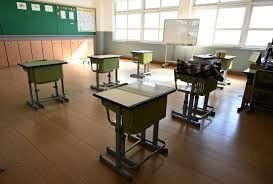
A high school student from Jeju Island in South Korea faces investigation after being accused of repeatedly contaminating a teacher's personal space with bodily fluids, police announced on June 16. The incidents took place at an elementary school located near the student's own high school campus, raising concerns about campus security and student conduct protocols at the institution.
According to statements from Seogwipo Police Station and representatives of the Jeju Teachers' Union, the alleged incidents began in April when the suspect first gained unauthorised entry to the educator's classroom. On that occasion, he reportedly deposited semen into the teacher's personal drinking tumbler—a violation that went initially undetected. The deliberate nature of this act, combined with its targeting of a specific individual's belongings, prompted early speculation about motive among investigating authorities.
The pattern of alleged misconduct escalated significantly in early June. On June 4, the student returned to the same classroom and urinated on the instructor's chair before fleeing the premises. This second incursion, occurring roughly two months after the initial incident, suggested either a sustained fixation or a deliberate campaign of harassment. The cumulative effect of these violations led the school administration to formally notify law enforcement and seek intervention.
Investigators moved swiftly once the school filed a complaint. Police reviewed security camera footage from corridors adjacent to the targeted classroom, which proved instrumental in identifying the suspect. The surveillance evidence enabled authorities to apprehend the student on June 8 on charges of property damage and unlawful trespassing. His detention marked a turning point in the case, shifting from suspicion to formal custody and interrogation.
During questioning by police, the student offered an explanation that contradicted the pattern of his actions. He claimed ignorance regarding the identity of the teacher whose property was violated and explicitly denied any sexual motive underlying his conduct. Instead, he maintained that he had entered the classroom accidentally while searching for restroom facilities. However, investigators remain sceptical of this account, noting the specificity of the incidents and the targeting of personal items belonging to the educator.
The impact on the affected educator has been severe and far-reaching. According to statements from the Jeju Teachers' Union, the teacher has suffered considerable psychological distress from the repeated violations of her personal space and belongings. The emotional toll has been substantial enough that she has been unable to return to her classroom for normal instructional duties. This extended absence underscores the serious harm caused by such violations beyond the immediate physical incident, highlighting how targeted harassment can disrupt professional capacity and wellbeing.
The teachers' union has called for comprehensive and rigorous investigation into the allegations. Union representatives emphasised the need for thorough examination of all circumstances surrounding the incidents and the student's motivations. Their public statement served both to support the affected teacher and to signal institutional concern about student conduct and campus safety standards. The union's involvement has elevated the case beyond a simple disciplinary matter into a broader conversation about educator safety and school security protocols.
Investigators are currently pursuing multiple investigative angles to establish whether the acts constituted sexually motivated harassment targeting a particular individual. This line of inquiry is crucial because it would significantly alter the legal characterisation of the offences and the appropriate response. Sexual harassment charges would carry greater severity than simple property damage or trespassing charges. Accordingly, police have indicated their intention to seek warrants permitting them to examine the student's mobile telephone, personal computer, and other digital devices for evidence that might reveal prior patterns of behaviour, online communications, or other indicators of intent.
The case raises broader questions about security vulnerabilities in South Korean school environments and the adequacy of measures protecting educators from unauthorised access. It also highlights the challenges schools face in balancing campus accessibility with safety protocols. For Malaysian readers, the incident serves as a cautionary reminder of the importance of robust security systems in educational institutions throughout Southeast Asia, where similar vulnerabilities may exist. The psychological impact documented in this case underscores why such violations merit serious institutional and legal response rather than dismissal as minor misbehaviour.


