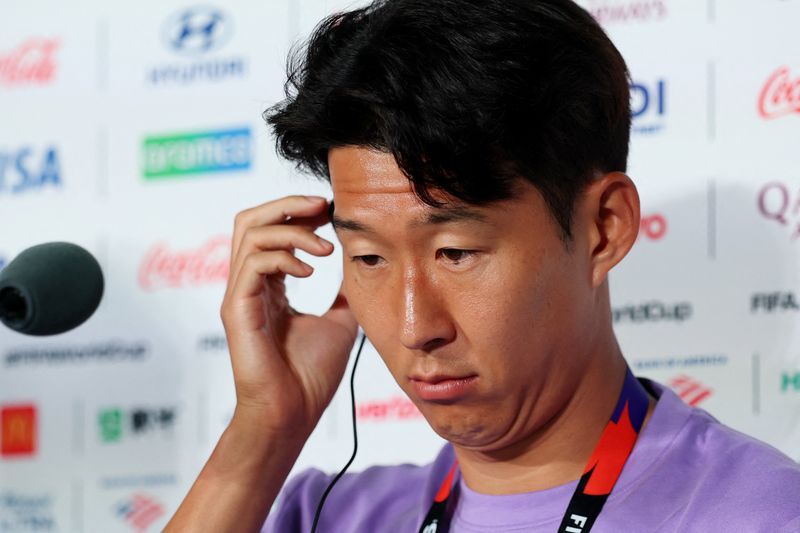
South Korea's national football team has taken the unusual step of boycotting non-mandatory media obligations at the World Cup following an incident in which reporters from the country allegedly ridiculed captain Son Heung-min over his military service obligations. The controversy erupted when South Korean journalists were caught on an open microphone making disparaging comments about the 33-year-old as he trained separately from the rest of the squad during the tournament.
The Korea Football Association responded swiftly with an official statement expressing deep regret over what it termed "inappropriate remarks made by some media personnel" at the team's training base camp in Guadalajara. The incident has become emblematic of broader tensions between the national squad and domestic media coverage, forcing the football body to take a firm stance on protecting its players from what it views as unwarranted scrutiny and disrespect.
Military service in South Korea represents far more than a civic obligation—it remains a defining cultural and political issue intertwined with the nation's unique security situation. All able-bodied South Korean men must complete approximately 21 months of mandatory service as part of the country's broader defence strategy against North Korea. The compulsory nature of this service means that exemptions are extraordinarily rare and typically reserved for athletes of exceptional achievement at the highest levels of international sport.
Son and his teammates earned their exemption from full military service through their collective triumph at the 2018 Asian Games, where the squad captured the gold medal in football. This achievement granted them the honour of waiving the full length of service, a privilege that underscores the deep respect South Korean society extends to sporting excellence and the enormous pride attached to representing the nation on the world stage. Despite this recognition, Son still fulfilled a three-week basic training commitment in 2020, during which he endured demanding physical challenges including exposure to tear gas, live-fire exercises, and extended 30-kilometre hikes.
That Son chose to complete even this abbreviated military training while serving as Tottenham Hotspur's forward and one of the Premier League's most prominent Asian players demonstrates his commitment to honouring his country's expectations. The timing of his service, completed when the English top division was suspended due to the COVID-19 pandemic, showed careful planning to minimise disruption to his professional career while still fulfilling his patriotic duty. For many South Koreans, such actions exemplify the balance between global sporting ambitions and domestic responsibility.
The mockery allegedly directed at Son by domestic media personnel thus carries particular sting, as it appeared to belittle both his personal sacrifice and the broader cultural significance of military service in South Korean identity. The Korea Football Association's statement emphasised that the team members, known as the Taegeuk Warriors, are focused entirely on repaying the faith and support of the Korean people through their performances on the World Cup stage. The incident threatened to undermine team morale and distract from their sporting mission during a crucial international tournament.
In response to the breach of trust, the players exercised their limited leverage by withdrawing from voluntary media interactions, a clear signal of their disappointment with domestic press conduct. The football association simultaneously appealed to all media outlets to demonstrate "greater consideration and a responsible attitude" towards the national team, framing the issue not as censorship but as a call for professionalism and respect during a sensitive period for the squad.
However, the boycott operates within strict boundaries. FIFA's tournament regulations require all national teams to participate in mandatory media duties regardless of internal disputes, meaning the South Korean team cannot completely avoid press engagement. This constraint ensures that journalists retain some access to players and coaches while the dispute simmers, though the atmosphere surrounding such interactions has become considerably more fraught and formal.
For Malaysian and Southeast Asian observers, the incident illuminates the complex relationship between sports, national identity, and military obligations in countries where defence concerns significantly shape domestic policy. While Malaysia does not impose universal military conscription, the South Korean case demonstrates how deeply intertwined sporting achievement can become with citizenship responsibilities and national pride. The backlash against media personnel who trivialised Son's sacrifice reflects broader expectations that those tasked with reporting on national teams should serve as custodians of public respect rather than sources of mockery.
The Korea Football Association's commitment to creating what it calls a "healthy media environment" suggests the organisation recognises that sustained tension between players and domestic press could have long-term consequences for the team's development and morale. By publicly defending its squad and setting boundaries around acceptable media behaviour, the KFA has signalled that protecting player dignity ranks equally with tournament performance among its institutional priorities. This stance may influence how other national associations approach media management during major tournaments, particularly in societies where military service carries profound cultural weight.
The incident also raises questions about the standards expected of sports journalists covering national teams. While press freedom remains essential, the allegations that reporters mocked a player for fulfilling obligations that most South Korean citizens consider honourable suggests a failure of professional judgment. The distinction between critical reporting and disrespectful commentary becomes especially important when covering topics as culturally sensitive as military service in a nation surrounded by geopolitical tensions.
As the tournament progresses, the South Korean team faces the challenge of maintaining focus and unity despite this distraction. The squad's decision to withdraw from voluntary media duties represents a measured response that avoids the appearance of censorship while clearly communicating displeasure. Whether the controversy will have lingering effects on team dynamics or media-athlete relations beyond the tournament remains to be seen, but the incident has already established important precedent regarding the boundaries of acceptable sports journalism in South Korea.


