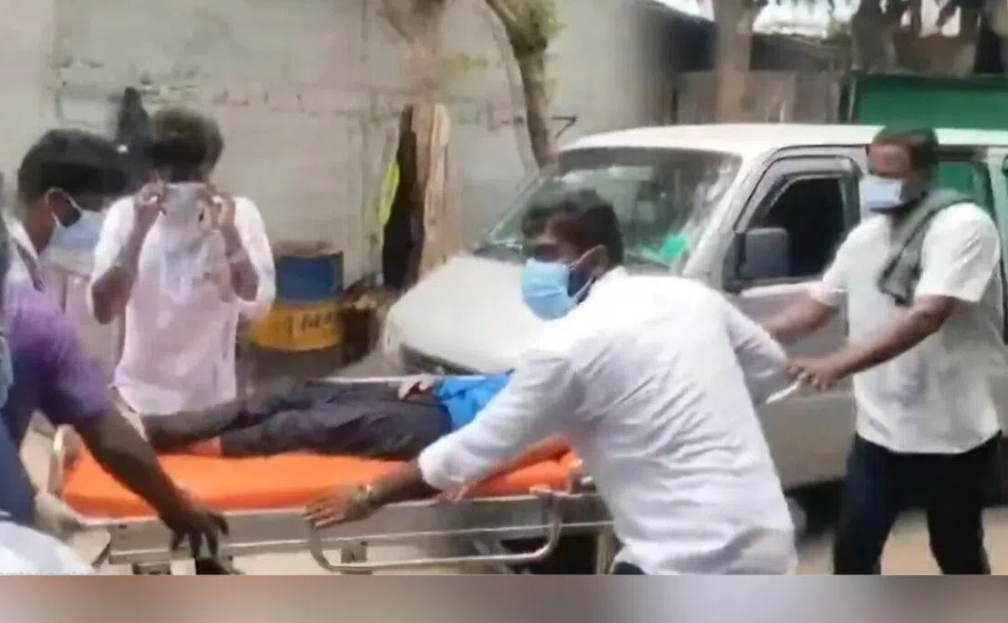
A catastrophic gas leak at a seafood processing facility near Periyapalayam village in Tamil Nadu's Thiruvallur district claimed at least six lives and left dozens requiring emergency medical attention on Sunday, June 21. The incident unfolded with frightening speed when workers at the export-oriented processing unit detected suspected ammonia gas escaping from refrigeration or related systems within the facility. The toxic fumes rapidly dispersed throughout sections of the plant, creating a hazardous environment that left workers with no time to properly evacuate or protect themselves from exposure.
The facility housed approximately 120 migrant workers at the time of the incident, predominantly women sourced from Assam, Odisha and Jharkhand in northeastern and central India. These workers, like countless others in India's food processing sector, typically operate far from their home states, often unfamiliar with local emergency protocols or support networks. Their vulnerability was starkly demonstrated when the ammonia gas exposure began causing acute physical reactions including severe respiratory distress, dizziness and sensory irritation. Medical reports from affected workers revealed alarming symptoms such as bleeding from the mouth and nasal passages, indicating the intensity and duration of their exposure to the toxic fumes.
The chaos that erupted as the leak spread prompted workers to flee the premises in panic, searching desperately for clean air and safety. Many collapsed during their escape attempts, succumbing to the concentrated gas as it continued spreading through ventilation systems and open areas. Emergency responders, including ambulance crews, police personnel and district authorities, mobilised rapidly to the location and initiated comprehensive rescue operations. The affected workers were transported to nearby hospitals where they received emergency medical treatment, with several patients reported to be in serious or critical condition as they battled respiratory compromise and chemical poisoning.
Chief Minister C. Joseph Vijay acknowledged the severity of the disaster and instructed state officials to ensure comprehensive medical support for all affected workers without delay. Recognising the need for systematic inquiry into the root causes, Vijay constituted a three-member investigative committee tasked with examining all circumstances surrounding the ammonia release. The panel received explicit instructions to conduct thorough on-site inspections of the facility and compile detailed findings within a 24-hour timeframe. This aggressive timeline reflects government concern about potential safety violations at the plant.
The investigation will focus on multiple critical areas including whether adequate safety protocols were established and enforced at the facility, how regularly maintenance procedures were conducted on refrigeration equipment, and whether any documented lapses in safety procedures enabled the disaster to occur. Investigators will examine whether workers received appropriate training on hazard recognition and emergency response procedures. The inquiry also aims to determine whether the facility maintained adequate emergency ventilation systems, personal protective equipment, and worker communication protocols that might have mitigated casualties.
Local police have registered formal cases related to the incident, and preliminary investigations are ongoing to establish responsibility for the gas leak. Officials are simultaneously assessing whether the facility violated industrial safety regulations established by Tamil Nadu authorities and central government bodies. Such violations could range from inadequate equipment maintenance and inspection cycles to insufficient worker training or failure to maintain proper safety documentation. The dual-track investigation by both judicial authorities and the administrative inquiry committee reflects the seriousness with which state government is treating the incident.
This tragedy spotlights persistent vulnerabilities within India's food processing sector, particularly regarding worker safety in facilities handling hazardous refrigerants and processing chemicals. Ammonia-based refrigeration systems remain common in seafood processing plants across South India due to their cost-effectiveness, yet they present substantial risks when maintenance standards slip or safety procedures lack rigorous enforcement. The concentration of migrant workers from distant states compounds risks, as these employees often lack familiarity with facility-specific emergency procedures or local emergency systems.
For Malaysian stakeholders involved in food processing, seafood exports or cross-border labour recruitment, this incident carries sobering implications. Similar refrigeration technologies and plant configurations operate throughout Southeast Asia's rapidly expanding seafood export industry. The disaster underscores how rapidly a single mechanical failure or maintenance oversight can cascade into catastrophic loss of life in facilities housing large concentrations of workers. It also highlights the critical importance of rigorous safety culture, regular equipment audits, and comprehensive worker training across all food processing facilities regardless of location or operational scale.
The incident may trigger broader regulatory scrutiny across Indian food processing units, potentially establishing precedents for stricter compliance requirements that could extend to Southeast Asian operations through global supply chain pressures. Companies sourcing from or competing with Indian seafood producers may face increased customer and investor expectations regarding documented safety protocols and worker protection measures. The visible mobilisation of high-level government attention and formal inquiry mechanisms demonstrates that industrial disasters involving migrant workers now receive substantially greater official scrutiny than in previous years, reflecting evolving attitudes toward worker rights across South Asia.
%22%2F%3E%3C%2Fpattern%3E%3C%2Fdefs%3E%3Crect%20width%3D%22100%25%22%20height%3D%22100%25%22%20fill%3D%22url(%23ph2hp1pg)%22%2F%3E%3Crect%20width%3D%22100%25%22%20height%3D%22100%25%22%20fill%3D%22url(%23ph2hp1pp)%22%2F%3E%3Ctext%20x%3D%2250%25%22%20y%3D%2250%25%22%20text-anchor%3D%22middle%22%20dominant-baseline%3D%22central%22%20fill%3D%22rgba(255%2C255%2C255%2C0.95)%22%20font-family%3D%22Georgia%2C%20'Times%20New%20Roman'%2C%20serif%22%20font-weight%3D%22700%22%20font-size%3D%22136%22%20letter-spacing%3D%22-0.02em%22%3EBangladesh%3C%2Ftext%3E%3C%2Fsvg%3E)
%22%2F%3E%3C%2Fpattern%3E%3C%2Fdefs%3E%3Crect%20width%3D%22100%25%22%20height%3D%22100%25%22%20fill%3D%22url(%23ph1aafag)%22%2F%3E%3Crect%20width%3D%22100%25%22%20height%3D%22100%25%22%20fill%3D%22url(%23ph1aafap)%22%2F%3E%3Ctext%20x%3D%2250%25%22%20y%3D%2250%25%22%20text-anchor%3D%22middle%22%20dominant-baseline%3D%22central%22%20fill%3D%22rgba(255%2C255%2C255%2C0.95)%22%20font-family%3D%22Georgia%2C%20'Times%20New%20Roman'%2C%20serif%22%20font-weight%3D%22700%22%20font-size%3D%22170%22%20letter-spacing%3D%22-0.02em%22%3EMalaysia%3C%2Ftext%3E%3C%2Fsvg%3E)