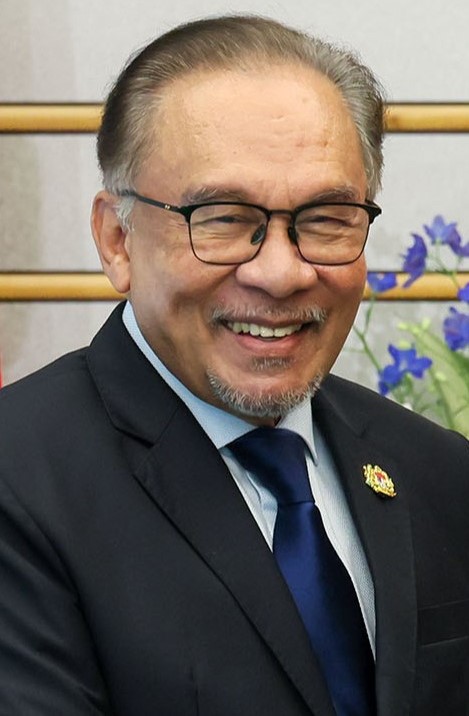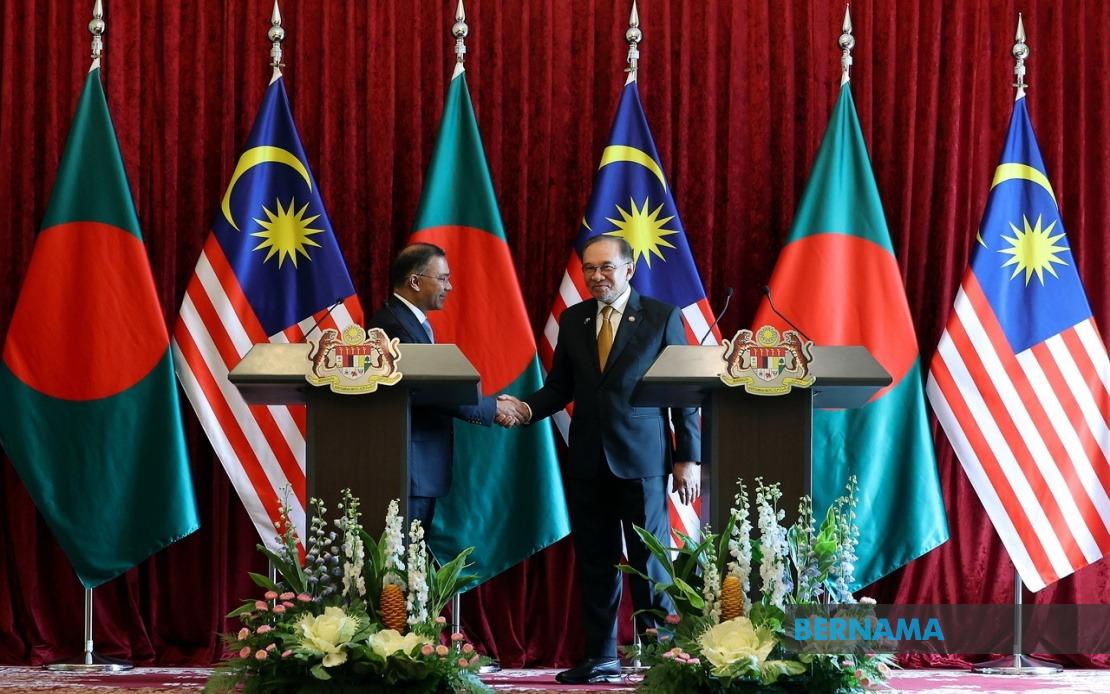
Malaysia and Bangladesh have reached a significant accord on protecting migrant workers from exploitation and abuse, with Prime Minister Datuk Seri Anwar Ibrahim using bilateral talks in Putrajaya on June 22 to underscore the critical importance of fair labour practices in the region. Speaking alongside Bangladesh Prime Minister Tarique Rahman at a joint press conference, Anwar highlighted the tension between Malaysia's economic dependence on foreign workers and the humanitarian crises that have periodically tarnished the country's reputation as an employer.
The acknowledgement from both governments marks a pivotal moment in addressing a long-standing challenge that has drawn international scrutiny and criticism from human rights organisations. Malaysia hosts one of Southeast Asia's largest migrant labour forces, with Bangladeshi nationals comprising a substantial portion of workers across manufacturing, construction, agriculture, and domestic service sectors. The conversation between the two leaders reflects growing pressure from civil society, international bodies, and affected communities to establish enforceable standards that prevent the documented cases of wage theft, unsafe working conditions, and abusive treatment that have plagued the sector for years.
Anwar's remarks zeroed in on the need for systemic transparency in recruitment mechanisms, acknowledging that while foreign workers remain essential to Malaysia's continued economic expansion, current practices have generated repeated controversies with serious humanitarian dimensions. He emphasised that both nations must take the lead in eliminating corrupt and predatory practices, ensuring that recruitment operates according to standards acceptable to each country and that the interests of workers and their families receive genuine protection. His willingness to address the issue publicly signals that Malaysia recognises the reputational damage caused by worker mistreatment and understands that sustainable labour relationships depend on meaningful oversight.
Bangladesh, meanwhile, raised its own economic priorities during the bilateral meeting. Prime Minister Tarique urged Malaysia to expand its recruitment of Bangladeshi workers and to reopen its labour market to new applicants at the earliest opportunity. Bangladesh, with over 160 million people and limited domestic employment capacity, relies heavily on remittances from overseas workers—funds that flow back to families and significantly contribute to national foreign exchange reserves. The reopening of Malaysia's labour market holds symbolic and practical importance, as it signals normalised relations after periods when hiring has been restricted due to compliance or diplomatic concerns.
The timing of this agreement carries particular weight given the cyclical nature of Malaysia's relationship with migrant labour. The country has periodically suspended recruitment from specific nations or implemented bans following disputes over documentation, trafficking allegations, or disagreements over working conditions. Bangladesh has experienced these disruptions acutely, and Tarique's explicit request for expanded recruitment indicates his government's eagerness to restore and deepen the bilateral labour corridor. For Malaysian employers, particularly in labour-intensive industries struggling with worker shortages, the prospect of expanded access to Bangladeshi workers offers relief from chronic staffing challenges.
The challenges underpinning exploitation remain structural and deeply rooted in the region's labour ecosystem. Migrant workers frequently face predatory recruitment agents who charge exorbitant fees and provide misleading contract information, leaving workers indebted and vulnerable upon arrival. Once in Malaysia, language barriers, limited legal literacy, geographic isolation, and dependence on employers for visa sponsorship create power imbalances that employers can exploit with relative impunity. Cases of unpaid wages, forced overtime, unsafe machinery, inadequate housing, and physical abuse have been documented repeatedly by labour inspectors and NGOs. While Malaysia has labour laws prohibiting many of these practices, enforcement remains inconsistent, and penalties are often insufficient to deter violations.
The commitment to transparency in recruitment directly addresses one of the sector's most notorious vulnerabilities. A transparent system would require clear disclosure of job terms, employer identities, workplace conditions, and wage arrangements before workers leave their home countries. It would involve independent verification of recruitment agents, proper licensing and bonding mechanisms, and accessible channels for workers to report fraudulent practices. Both governments have indicated interest in these principles, though implementing them requires coordination across multiple agencies, investment in inspection and monitoring infrastructure, and willingness to prosecute violations rigorously.
For Malaysian readers and businesses, the bilateral agreement carries several implications. Employers who depend on Bangladeshi workers benefit from expanded labour supply and restored recruitment pipelines, potentially moderating wage inflation in labour-intensive sectors. However, companies must prepare for stricter compliance requirements if the transparency framework is formalised. Consumers may see cost stability in goods and services produced by migrant-heavy industries, though any meaningful wage improvements for workers would likely be partially reflected in prices. The agreement also reflects Malaysia's recognition that labour standard compliance increasingly shapes international reputation and market access—concerns that resonate in an economy seeking to attract premium foreign investment and maintain middle-income country status.
Regionally, this Malaysia-Bangladesh accord could establish a template for labour agreements elsewhere in Southeast Asia. Indonesia, the Philippines, Thailand, and Vietnam all export substantial numbers of workers to Malaysia and other destinations, and each faces similar challenges with recruitment transparency and worker protection. If Malaysia and Bangladesh successfully operationalise their commitment, the model may influence how other bilateral labour relationships are structured and governed. Conversely, if the agreement remains largely rhetorical without enforcement mechanisms, it risks deepening cynicism among workers and NGOs monitoring compliance.
The path forward requires both governments to translate political commitment into concrete policy change. This includes harmonising labour standards, establishing joint oversight committees, training recruitment officials in both countries, creating worker grievance mechanisms, and ensuring that penalties for violations are substantial enough to alter behaviour. Civil society organisations, employer associations, and worker advocacy groups will need to engage actively in monitoring implementation. The durability of this accord will ultimately depend on whether Bangladesh and Malaysia invest in the institutional capacity necessary to identify, investigate, and punish exploitation—a task that demands resources, political will, and sustained attention beyond the initial diplomatic announcement.