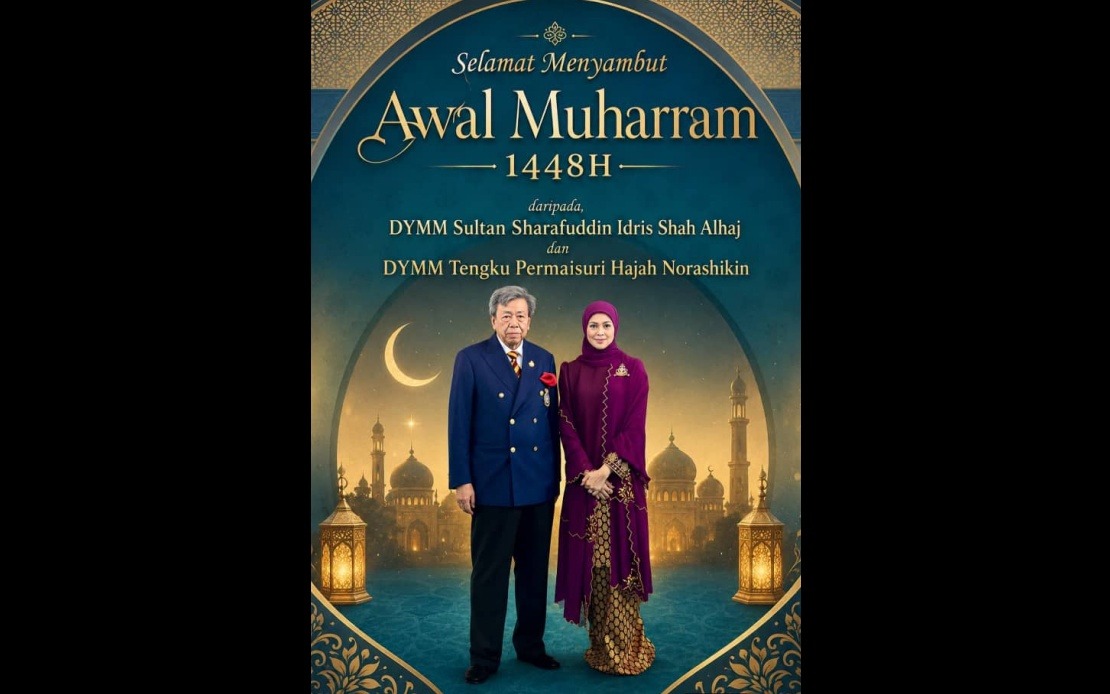
Sultan of Selangor Sultan Sharafuddin Idris Shah has used the occasion of Maal Hijrah 1448H to remind Muslims of the paramount importance of unity in navigating contemporary challenges. Speaking in Shah Alam on June 16, the ruler emphasized that the Islamic New Year celebration represents far more than a calendrical transition; it symbolizes a call to spiritual renewal and collective strength among the ummah.
The concept of Hijrah, traditionally understood as Prophet Muhammad's migration from Mecca to Medina, carries profound spiritual significance that extends beyond its historical context. According to the Selangor Sultan, the true essence of Hijrah encompasses positive transformation and the consolidation of Muslim communities around shared values and objectives. This interpretation positions the annual observance as an opportunity for introspection and recommitment to the principles that bind Muslim societies together across sectarian and geographical boundaries.
Drawing upon the wisdom of his late father, Sultan Salahuddin Abdul Aziz Shah, Sultan Sharafuddin articulated a vision for conflict resolution grounded in discretion and propriety. The Sultan stressed that disagreements, whether rooted in theological interpretation, policy differences, or organizational matters, should be addressed through measured dialogue conducted away from public scrutiny. This approach reflects traditional Islamic jurisprudence emphasizing the preservation of communal harmony through private counsel rather than confrontational debate.
The ruler's message carries particular relevance for Malaysia, a multicommunal nation where Muslim-majority populations coexist with significant non-Muslim communities. When internal disputes within the Muslim community escalate into public controversies, the broader social fabric experiences strain that can undermine interfaith relations and national cohesion. Sultan Sharafuddin's emphasis on resolving matters "with wisdom and decorum" suggests that personal grievances, even when legitimate, require careful handling to prevent broader societal damage.
Central to the Sultan's address is the principle that criticism and advice, when necessary, must be conveyed through channels and methods that preserve dignity and respect. This framework acknowledges that constructive feedback serves important functions within any community, while simultaneously recognizing that the manner of delivery profoundly influences outcomes. Advice tendered harshly or publicly may harden positions and entrench divisions rather than facilitate genuine understanding and course correction.
The Selangor Sultan articulated a strategic concern about the vulnerabilities exposed when Muslim communities engage in open conflict. Public disputes create information vacuums that external actors may exploit, potentially exacerbating tensions and divisions for geopolitical or commercial advantage. This analysis reflects a sophisticated understanding of how internal weaknesses become liabilities in an interconnected world where regional and international actors maintain keen interests in Southeast Asian stability.
Resolution of contentious matters through private consultation, according to Sultan Sharafuddin, requires commitment from all parties to prioritize collective welfare over individual or factional interests. This principle demands that participants approach negotiations with flexibility and genuine willingness to accommodate differing perspectives. The Sultan's framework presupposes that most disagreements, when addressed through respectful discourse, can yield outcomes acceptable to reasonable people of good faith.
The broader context of the Maal Hijrah message encompasses a call for Muslims to embody the spiritual qualities traditionally associated with Hijrah: sacrifice, courage, and steadfast commitment to principle. In the modern context, these qualities translate into willingness to subordinate immediate gratification, competitive advantage, or ideological purity to larger communal objectives. The Sultan's exhortation thus positions religious observance as inseparable from social responsibility and ethical conduct toward fellow believers.
For Malaysian policymakers and community leaders, the Selangor Sultan's remarks offer guidance on managing the inevitable tensions arising within diverse societies. His emphasis on private resolution mechanisms, respectful communication, and elevation of collective interests above sectarian concerns provides a template applicable beyond specifically Muslim contexts. The principles of discretion, decorum, and consensus-building resonate across cultural and religious boundaries in multicommunal Southeast Asia.
The Sultan expressed optimism that the new Islamic year would catalyze renewed commitment to unity and harmony among Muslims and society broadly. This forward-looking perspective acknowledges that while challenges to communal cohesion are persistent, deliberate effort and principled conduct can reinforce bonds rather than corrode them. Such optimism, grounded in religious conviction and historical precedent, offers Malaysian Muslims a framework for navigating contemporary complexities while maintaining social stability.
Ultimately, Sultan Sharafuddin's Maal Hijrah message represents an appeal to the better instincts of Muslim communities: the recognition that strength derives from unity, that disagreement need not produce enmity, and that the highest expression of religious commitment involves sacrifice of ego and narrow interest for communal wellbeing. In a region where religious and social tensions periodically surface, such reminders from respected traditional leaders carry weight extending well beyond ceremonial significance.