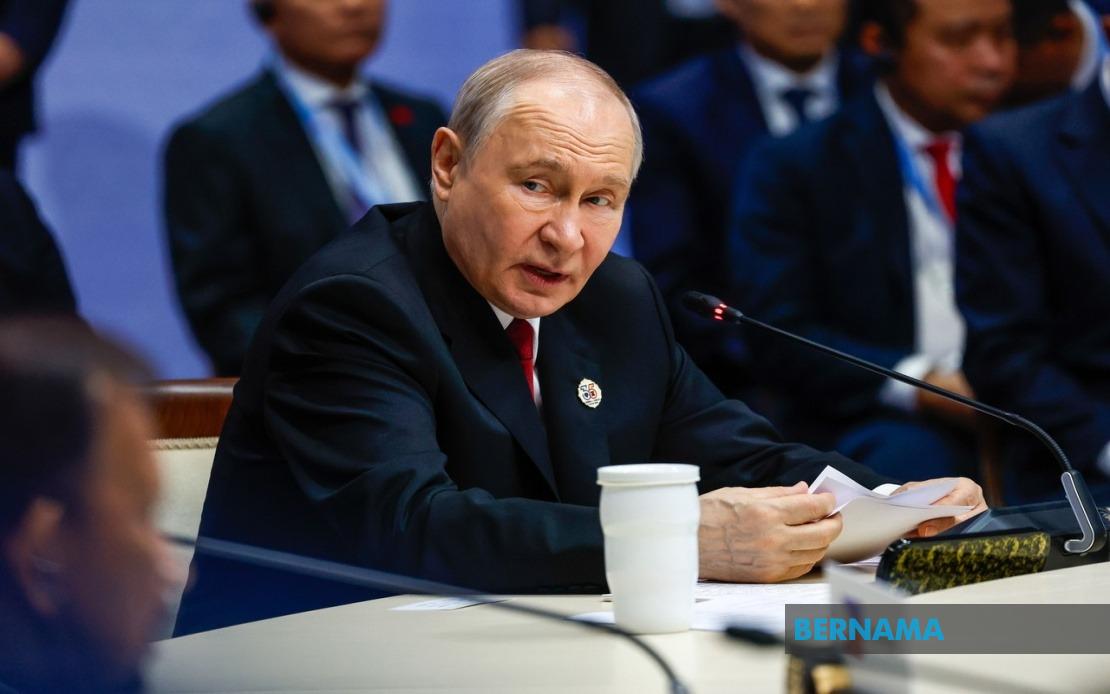
Russia and ASEAN have consolidated a multifaceted strategic partnership over the past 35 years that now functions as a crucial stabilising influence across the Asia-Pacific region, according to Russian President Vladimir Putin at the opening of a commemorative summit held in Kazan. The gathering brought together leaders from ASEAN member states to reflect on decades of cooperation and chart directions for future engagement at a moment when geopolitical volatility has intensified regional challenges and uncertainties.
The relationship between Russia and ASEAN has evolved substantially since formal ties were first established in 1991 in Kuala Lumpur. Five years later, in 1996, Russia graduated to full ASEAN Dialogue Partner status, a designation that underscored Moscow's commitment to broader regional engagement. The partnership reached its current strategic level in 2018, representing a formal recognition of deepening interconnections across multiple domains and a shared commitment to advancing bilateral and multilateral cooperation.
Putin emphasised that the foundation of Russia-ASEAN relations rests upon internationally accepted principles of law and reciprocal interests. He underscored how this framework has enabled both sides to construct an extensive institutional architecture comprising numerous joint mechanisms and legal agreements that facilitate collaboration. The breadth of cooperation spans security and defence cooperation, trade and investment flows, energy sector partnerships, agricultural collaboration, digital transformation initiatives, scientific and technological exchanges, tourism development, and people-to-people cultural connections.
The commemorative summit, spanning two days, served as a platform for leaders to review accomplishments achieved over three and a half decades while identifying emerging priorities. Discussions encompassed contemporary regional and international challenges, an assessment of partnership outcomes, and deliberations on future strategic directions. In a geopolitical environment marked by shifting power dynamics and economic instability, both Russia and ASEAN recognised the value of strengthened cooperation as a means of promoting balanced security frameworks and equitable mutual benefit.
For Southeast Asian nations, Russia represents a particularly valuable partner given Moscow's expertise and capabilities across several critical sectors. Energy security remains paramount for ASEAN members dependent on stable hydrocarbon supplies, and Russia possesses significant fossil fuel reserves alongside technological knowledge in extraction and distribution. Similarly, Russian strengths in agricultural production, higher education systems, and technological advancement offer tangible benefits for regional development. The partnership addresses not only traditional security concerns but also newer challenges including food security, energy transitions, and digital infrastructure resilience.
From Moscow's perspective, ASEAN constitutes an indispensable component of Russia's broader strategy to deepen engagement with the Asia-Pacific region. The grouping's combined economic weight, strategic geographic positioning astride major global trade routes, and collective political influence make it an essential partner for any power seeking meaningful regional participation. Russia's engagement with ASEAN also provides Moscow with a counterweight to other major powers' influence in Southeast Asia, enabling Russia to maintain a presence and voice in shaping regional outcomes despite geographic distance.
The summit's timing reflects urgency surrounding regional stability. Global economic uncertainties stemming from trade tensions, inflation volatility, and pandemic aftereffects have created pressures on Southeast Asian economies that remain heavily trade-dependent. Energy security concerns have intensified following supply disruptions and price volatility, directly affecting ASEAN members' development ambitions. Food security has emerged as a critical issue affecting population welfare across the region, particularly in nations with limited agricultural self-sufficiency. These interconnected challenges have elevated the importance of diversified partnerships that offer alternative sources of supply, investment, and technological support.
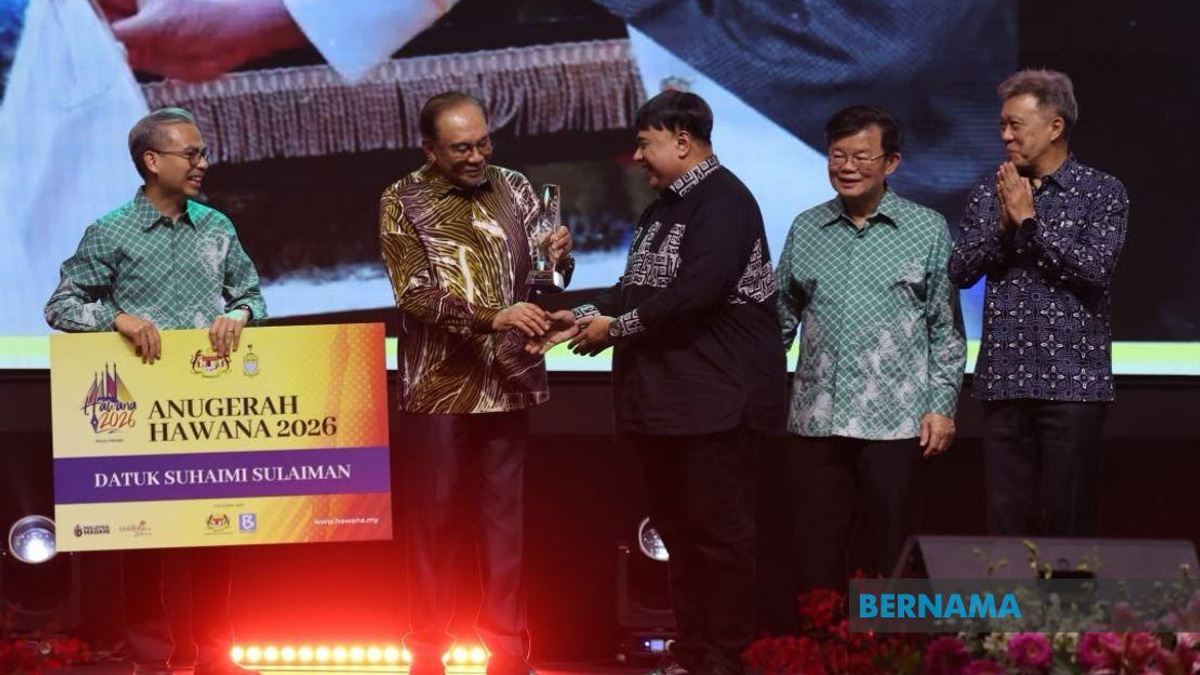
Prime Minister Datuk Seri Anwar Ibrahim represented Malaysia's interests at the gathering, while Philippine President Ferdinand Marcos Jr attended in his capacity as current ASEAN Chair, underscoring the high-level political commitment both nations place on this engagement. The presence of ASEAN leaders collectively demonstrated the grouping's collective determination to advance practical cooperation with Russia despite the complex international environment. This diplomatic engagement reflects ASEAN's consistent commitment to maintaining dialogue with diverse partners and avoiding alignment with any single power bloc.
The strategic partnership framework has matured into sophisticated mechanisms that facilitate coordination across political-security domains, economic integration, and socio-cultural exchanges. Rather than concentrating on narrow bilateral interests, the partnership encompasses broader regional concerns including maritime security, counterterrorism cooperation, disaster management, and cultural preservation. This comprehensive approach reflects recognition that regional stability depends on addressing multifaceted challenges through integrated solutions rather than compartmentalised agreements.
Looking forward, the Russia-ASEAN relationship faces both opportunities and constraints. Expanding trade and investment flows could strengthen economic interdependence and reduce vulnerability to external shocks, though geopolitical tensions may complicate such integration. Digital transformation initiatives offer pathways for leapfrogging traditional development stages, particularly for younger ASEAN nations. Educational and scientific exchanges can build human capital and foster innovation ecosystems. However, differing positions on certain international issues require careful diplomatic management to prevent partnerships from being instrumentalised in broader great power competitions.
The commemoration of 35 years represents a moment for Southeast Asian policymakers to reflect on partnership value while maintaining strategic autonomy. ASEAN's founding principle of non-interference and non-alignment remains relevant in current circumstances. Engagement with Russia complements rather than replaces relationships with other major powers, reflecting a diversification strategy that has served ASEAN members well historically. As regional challenges intensify and global competition accelerates, maintaining stable relationships with multiple partners becomes increasingly essential for Southeast Asian security and prosperity.
Moving forward, practical cooperation in addressing shared challenges will determine the partnership's trajectory. Joint efforts in maritime security, pandemic preparedness, climate adaptation, and economic resilience could yield tangible benefits for both sides. Investment in infrastructure, education, and technology transfer could catalyse development opportunities for ASEAN members. Simultaneously, transparent communication and conflict prevention mechanisms become more crucial as geopolitical tensions rise globally. The Russia-ASEAN partnership thus stands at an inflection point where deepened cooperation could reinforce regional stability, though maintaining balance and autonomy remains essential for ASEAN's long-term interests.