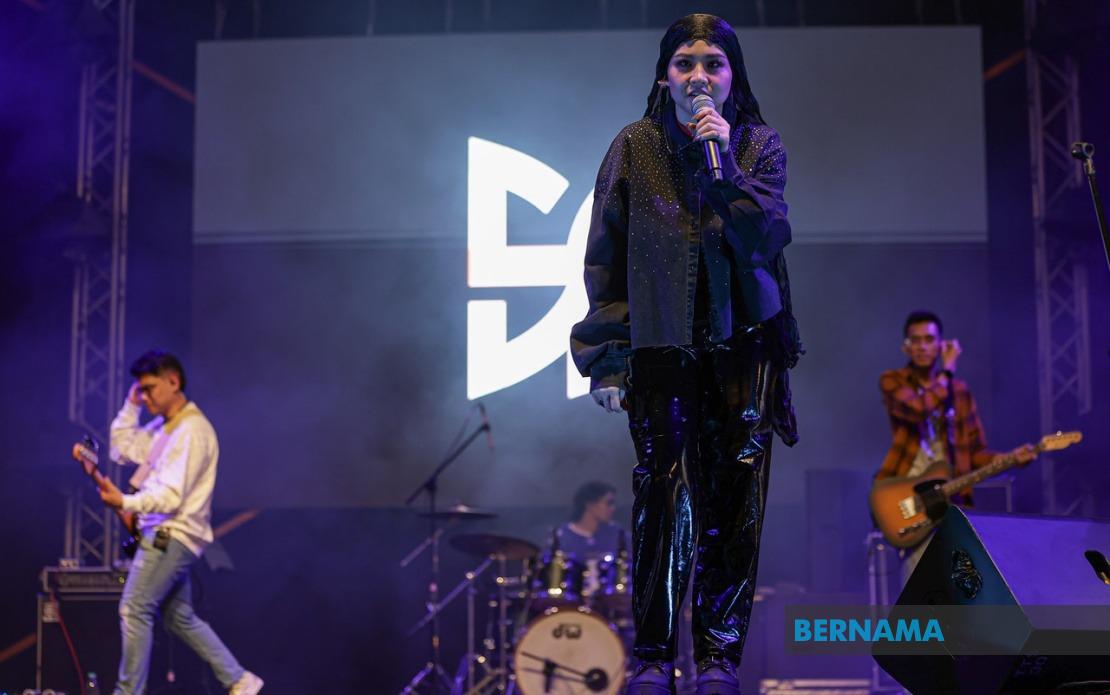
The inaugural night of RIUH Pi HAWANA 2026 proved a resounding success in Butterworth on June 19, as curated performances by established and emerging Malaysian musicians attracted diverse crowds to the PICCA Convention Centre @ Arena Butterworth. The evening's entertainment lineup, anchored by respected acts and rising talent, created an infectious energy that transcended typical concert constraints, drawing families and young adults alike who came primarily for the music but discovered a holistic entertainment experience.
The decision to feature Pasca Sini, Sakura Band, and Exists—the latter a nostalgic draw for those who followed the local music scene throughout the 1990s—proved strategic in capturing multiple generational interests. Exists in particular holds cultural weight within Malaysia's popular music memory, offering attendees a chance to reconnect with an earlier era of domestic entertainment. This programming approach mirrors successful festival strategies elsewhere in Southeast Asia, where blending heritage acts with contemporary artists creates cross-demographic appeal. The concert launch at 9:30 pm set a relaxed tone quite distinct from high-intensity stadium events, positioning the gathering as a community celebration rather than a star-driven spectacle.
Attendance remained robust despite unfavorable conditions, with light drizzle failing to dampen enthusiasm—a testament to both the event's appeal and Malaysian audiences' resilience in outdoor settings. Weather considerations rarely deter Malaysian concert-goers accustomed to tropical conditions, yet organizers' ability to maintain the schedule without cancellation or disruption underscored logistical competence. The PICCA venue's parking lot configuration, while unconventional compared to dedicated concert halls, created an intimate outdoor atmosphere that many attendees explicitly praised during preliminary feedback collection.
The carnival's deliberate incorporation of food and beverage vendors alongside entertainment offerings provided practical value that enhanced the overall experience. Visitors reported genuine appreciation for the ability to consume refreshments while watching performances—a seemingly simple element that fundamentally improves accessibility and comfort during extended outdoor events. This integrated approach reduces the friction typically associated with large gatherings where attendees must choose between entertainment and sustenance, effectively extending average duration of stays and increasing per-visitor spending across the venue ecosystem.
Visitor demographics revealed the event successfully attracted broad participation. Zabrina Ishak, attending from Kedah with her family after discovering the concert through social media promotion on a performer's TikTok account, exemplified how digital marketing channels—particularly platforms favored by younger creators—effectively reach regional audiences. This demonstrates the diminishing relevance of traditional promotional methods for entertainment events, particularly those targeting family demographics who increasingly coordinate plans through informal social sharing rather than institutional advertising.
Young adults represented a significant attendance segment, with university students from Universiti Sains Malaysia and Multimedia University participating independently or through friend networks. Their attendance reflected organic word-of-mouth promotion, whereby proximity to the venue combined with peer recommendations generated interest among tertiary students—a demographic particularly valuable for multi-day carnival events where repeat visits drive higher overall attendance figures. Nurul Aida Shahnolhadi's decision to attend specifically for Exists and Sakura Band illustrated how targeted artist lineups effectively drive attendance among secondary markets beyond primary fan bases.
The casual, welcoming atmosphere repeatedly cited by attendees suggests organizers successfully avoided the sterile or overcrowded conditions that frequently characterize large public events in Malaysia. Adequate seating, comfortable gathering spaces, and manageable crowd densities contributed to visitor satisfaction ratings that directly influence social media sentiment and word-of-mouth recommendations crucial for sustained attendance across the carnival's three-day run. This atmospheric quality becomes increasingly important as entertainment consumers develop higher expectations for overall venue experience rather than content alone.
The three-day schedule extending through Sunday, operating from 4:00 pm to midnight daily, strategically captures both weekend leisure time and evening social patterns. This extended operational window allows working professionals to attend Friday and Saturday evening sessions while accommodating family outings on Sunday afternoons—a scheduling approach that maximizes addressable market across distinct demographic segments. The inclusion of arts, cultural activities, and sales of local creative products alongside musical entertainment positions the carnival as a comprehensive cultural celebration rather than a purely commercial music event.
Minister of Communications Datuk Fahmi Fadzil's presence at the opening ceremony underscored the event's official status as part of HAWANA 2026 National Journalists' Day observances. Governmental participation at entertainment events increasingly signals institutional recognition of culture's role in national identity and social cohesion—positioning the journalism profession's celebration through popular entertainment rather than formal administrative proceedings. This approach reflects broader Southeast Asian trends toward celebrating institutional milestones through culturally resonant public experiences.
Organization by MyCreative Ventures demonstrates Malaysia's emerging event management sector's capacity to execute large-scale public entertainment within logistically constrained urban environments. The carnival model—combining performances, vendor participation, interactive programming, and extended operational hours—represents a matured approach to public event design that balances entertainment value with commercial viability and community engagement objectives. Such events generate measurable returns for regional economies through vendor participation, visitor spending, and indirect benefits to surrounding commercial establishments.
The carnival's early success carries implications for future entertainment programming throughout Malaysia's secondary cities. Butterworth's experience suggests regional audiences possess substantial latent demand for quality musical entertainment and family-oriented cultural events, potentially underserved by the current concentration of major productions in Kuala Lumpur. Successful replication of this model in other Penang municipalities and comparable urban centers could establish RIUH Pi HAWANA as a recurring cornerstone of Malaysian entertainment calendars, particularly valuable for regional cultural economies.
Social media's instrumental role in driving attendance—notably through organic promotion on performer TikTok accounts—reflects fundamental shifts in how Malaysian audiences discover and coordinate entertainment participation. The traditional advertising-dependent model faces increasing displacement by algorithm-driven content discovery and peer recommendations, requiring event organizers to cultivate performer partnerships capable of authentic social media integration rather than relying exclusively on institutional marketing channels.


