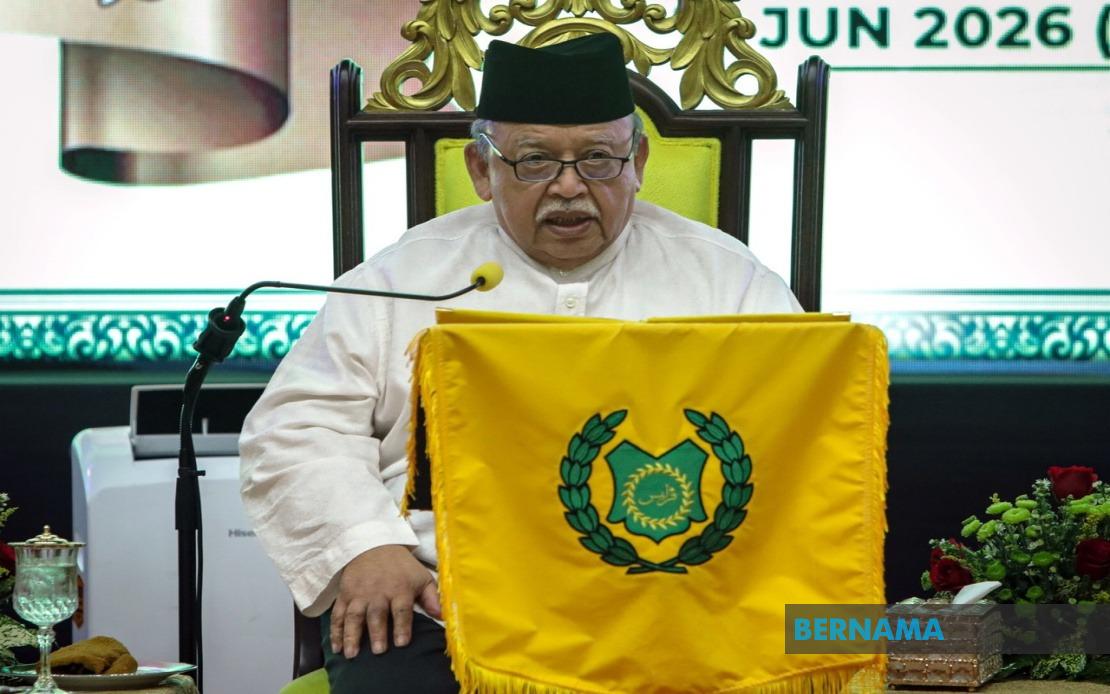
The Raja of Perlis, Tuanku Syed Sirajuddin Jamalullail, has delivered a pointed message about the foundations necessary for national advancement, calling on Malaysians to embrace accountability and moral fortitude as they work towards collective prosperity. Speaking at the state-level Maal Hijrah 1448H/2026M celebration in Kangar, the Ruler articulated a vision of progress that extends far beyond infrastructure and economic metrics, positioning character and shared values as the true measures of a thriving society.
Tuanku Syed Sirajuddin emphasised that individual responsibility forms the bedrock of state development, urging citizens to approach their work with sincerity and spiritual purpose. His framing of employment as an act of worship reflects a philosophical approach that integrates religious and secular dimensions of governance—a perspective particularly relevant in Malaysia's multi-faith context, where shared ethical principles can transcend denominational boundaries. The Ruler's insistence on rejecting corruption in all its manifestations underscores the persistent challenge facing the nation's institutions and public administration.
The concept of authentic progress outlined by the Ruler diverges markedly from conventional development models. Rather than emphasising gross domestic product growth or construction projects, Tuanku Syed Sirajuddin argued that genuine advancement emerges from an educated populace grounded in moral conviction and cultural refinement. This intellectual framework aligns with emerging global discussions about sustainable development that prioritise human flourishing alongside economic expansion. For Malaysia specifically, this message carries weight at a moment when public trust in institutions remains fragile and anti-corruption initiatives continue to attract scrutiny.
The Ruler identified knowledge acquisition and cultural preservation as complementary imperatives for Perlis and the broader Malaysian society. His emphasis on strengthening an authentic understanding of Islam based on foundational Islamic texts—the Quran and Sunnah—suggests a conscious effort to anchor religious discourse within classical scholarship while simultaneously advancing contemporary understanding. This dual commitment to preserving tradition and embracing progress represents a nuanced position in ongoing debates about modernisation and cultural identity throughout Southeast Asia.
Tuanku Syed Sirajuddin placed particular emphasis on cultivating a mature and civilised political culture, a concern that resonates across Malaysia's federal system. Political maturity encompasses respectful disagreement, institutional respect, and the subordination of partisan interests to national welfare. The Ruler's call for such cultural refinement implicitly acknowledges existing deficits in these areas while suggesting that systemic reform must begin with individual and collective behavioural transformation.
The comprehensive developmental framework presented encompasses religious, political, economic and social dimensions—a holistic approach that recognises the interconnectedness of Malaysia's institutional landscape. The Ruler stressed that ummah development cannot be compartmentalised but requires integrated attention across these domains. This systems-thinking perspective offers guidance for policymakers navigating complex policy challenges where decisions in one sector inevitably ripple across others.
Emphasis on fostering courageous, intelligent and self-reliant values reflects recognition that external development assistance and policy frameworks alone cannot sustain long-term progress. The Ruler advocated for nurturing an entrepreneurial and independent spirit among Perlis citizens, positioning self-sufficiency and competitive excellence as defining characteristics. For a state seeking to enhance its economic position within Malaysia's federal economy, such cultural values represent crucial competitive advantages.
The Ruler's address to contemporary challenges—technological advancement, artificial intelligence, social transformation and globalisation—demonstrates awareness that Malaysia cannot insulate itself from external forces. Rather than counselling defensive postures, Tuanku Syed Sirajuddin urged Malaysians to become active participants in shaping these transformations. This forward-looking perspective acknowledges that passivity in the face of change guarantees marginalisation, while strategic engagement and innovation offer pathways to relevance and prosperity.
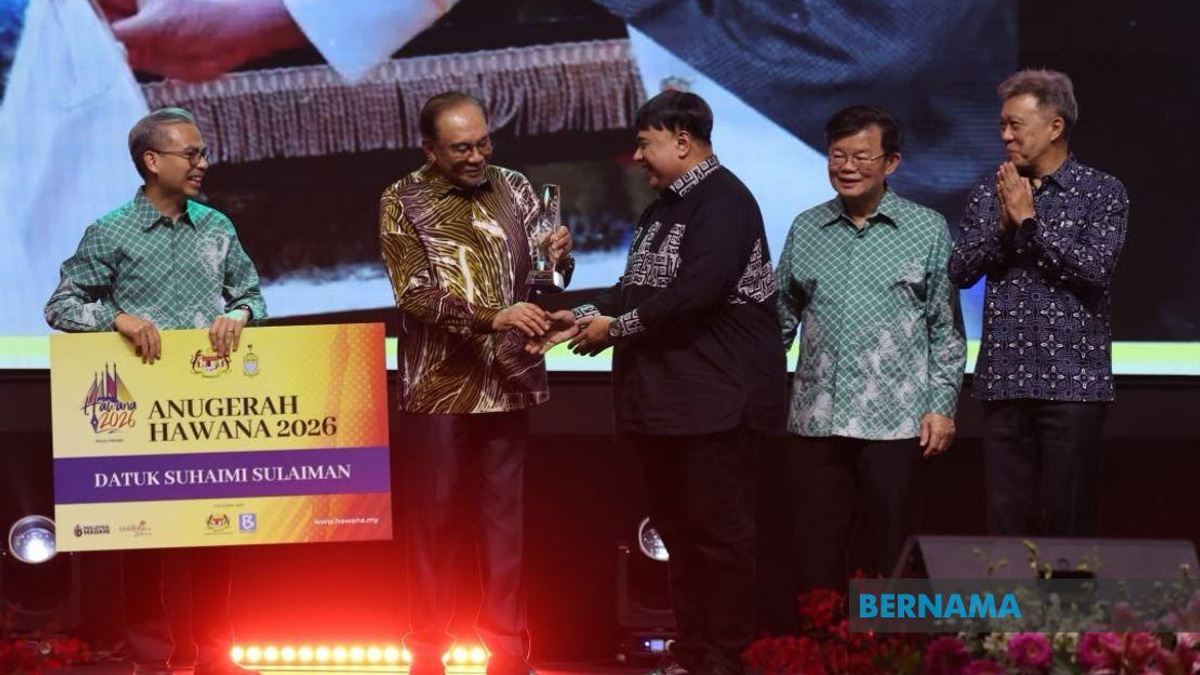
The presentation of the Perlis Tokoh Maal Hijrah award to Datuk Izham Mahmud of Yayasan Tuanku Syed Putra acknowledged tangible contributions to societal development and recognised the vital role played by non-governmental institutions in nation-building. Such recognition mechanisms, when aligned with articulated values, can reinforce cultural expectations around integrity and public service.
The Raja's message arrives at a critical juncture for Malaysian governance. Anti-corruption campaigns require sustained momentum beyond legislative frameworks and enforcement mechanisms. Tuanku Syed Sirajuddin's emphasis on internalising ethical values and cultivating integrity as a personal and communal priority suggests that institutional reform must be accompanied by cultural transformation. This psychological and moral dimension of anti-corruption work often receives insufficient attention in policy discussions focused on structural remedies.
For Southeast Asia more broadly, the Ruler's vision of development centred on knowledge, character and social cohesion offers an alternative framework to purely technocratic or market-driven approaches. In a region experiencing rapid urbanisation, technological disruption and social change, the emphasis on preserving cultural values while embracing innovation addresses genuine tensions facing policymakers throughout ASEAN. Malaysia's experience with multiculturalism and religious pluralism positions it to develop models that integrate modernisation with cultural continuity.
The gathering of Perlis's royal family at this ceremonial occasion reinforced the symbolic importance of leadership commitment to these principles. Royal endorsement of integrity and accountability carries particular weight in Malaysian constitutional monarchies, where rulers serve as custodians of national values and institutional respect. The attendance of the Raja Muda and Raja Puan Muda signalled intergenerational continuity of these priorities, suggesting that such emphasis will persist regardless of succession.
Ultimately, Tuanku Syed Sirajuddin's address articulates a sophisticated vision where material progress remains meaningful only when grounded in ethical foundations and collective commitment to civilised values. As Malaysia confronts interconnected challenges spanning governance, technological disruption and social cohesion, the Ruler's call for integrity, knowledge and unified purpose provides philosophical guidance for citizens and institutions alike.