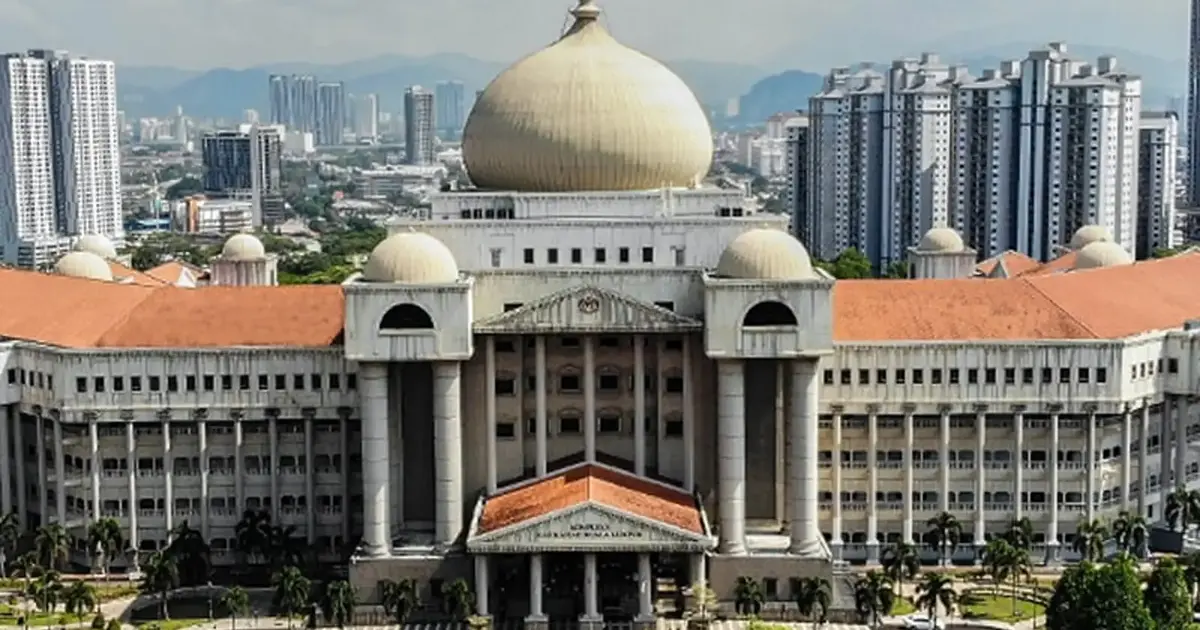
Malaysia's High Court has determined that the Prime Minister cannot be compelled to provide testimony in an ongoing RM30 million civil dispute, striking down a subpoena that sought his appearance as a witness. The court's decision rests on the conclusion that the Prime Minister does not constitute a material witness whose evidence would be essential to resolving the core issues under consideration in the case.
The ruling reflects longstanding judicial principles regarding the distinction between witnesses whose evidence is genuinely pertinent to disputed facts and those whose involvement is merely tangential. In reaching its decision, the court applied established legal standards that govern when individuals can be summoned to testify, particularly when those individuals hold high public office. The High Court's determination that the Prime Minister lacks material witness status means his testimony is not deemed necessary for the proper adjudication of the matter.
This decision carries significant implications for the administration of justice in Malaysia, touching on the delicate balance between ensuring comprehensive fact-finding in litigation and recognising the practical and constitutional constraints that apply to high-ranking public officials. When prime ministers are drawn into civil proceedings through subpoenas, their ability to discharge the substantial duties of their office becomes potentially compromised. Courts must therefore carefully evaluate whether their compelled attendance is genuinely justified by the requirements of the case.
The RM30 million suit at the heart of this matter represents a substantial commercial or civil dispute that nonetheless does not, according to the High Court, require the head of government to provide direct evidence. This determination suggests that the plaintiff's or defendant's reliance on the Prime Minister's testimony was either circumstantial or could be adequately addressed through other evidence already available to the court. The legal test for material witness status requires that the witness possess knowledge of facts directly relevant to the issues in dispute, not merely peripheral awareness.
In Malaysian jurisprudence, courts have previously grappled with the tension between the subpoena power and executive privilege or practical immunity for senior officials. The High Court's approach here emphasises substance over ceremony—the question is whether the specific individual's personal evidence is truly needed, not whether their involvement in some broader context might exist. This framework prevents subpoenas from becoming tools for mere fishing expeditions or tactical harassment of officials.
The ruling also reflects Malaysia's broader commitment to maintaining the separation and independence of the judiciary while acknowledging that unlimited access to the Prime Minister's time and attention could create practical problems for national governance. Other Commonwealth jurisdictions have similarly recognised that while no one is above the law, the compulsion to testify must clear a meaningful threshold of relevance and necessity. The High Court's decision aligns with this international practice.
For the civil litigants involved in the RM30 million dispute, the court's determination means they must proceed with their case relying on the evidence available through other witnesses, documents, and testimony. This is not unusual; most civil cases proceed to successful resolution without requiring testimony from the nation's highest executive official. The decision essentially tells both parties that the Prime Minister's personal account is not critical to determining the facts in dispute.
The broader legal landscape governing witness compulsion in Malaysia remains robust. Citizens, officials, and even government ministers at lower levels of the hierarchy continue to remain subject to subpoenas when they genuinely qualify as material witnesses. The High Court's ruling does not create a blanket exemption for the Prime Minister from all testifying obligations, but rather applies the legal test for materiality to the specific circumstances of this case and concluded that the threshold was not met.
This decision may prompt legal professionals and litigants to reconsider strategies that rely on securing high-level official testimony. Rather than pursuing subpoenas aimed at senior government figures, counsel may find it more productive to identify intermediate witnesses, seek documentary evidence, or pursue discovery mechanisms that do not require compelling the Prime Minister to appear. The ruling essentially sets a high bar for such attempts, which has implications for how civil disputes involving government contracts, policies, or decisions are litigated.
The High Court's judgment also touches on the integrity of the judicial process itself. By ensuring that subpoenas are not issued or enforced merely as a matter of course but only when the witness is genuinely material to the case, courts protect themselves from becoming vehicles for dilatory tactics or political grandstanding disguised as litigation. The Prime Minister's time, while not absolutely privileged, is a public resource that should be deployed only when genuinely necessary for justice.
For Malaysian readers and the broader Southeast Asian region, the decision reinforces that even in systems with strong rule of law traditions, practical considerations shape how laws are applied to those holding the highest offices. The High Court has indicated that it will not rubber-stamp subpoenas aimed at the Prime Minister without carefully assessing whether his evidence is truly material, ensuring that such extraordinary summonses remain genuinely exceptional rather than routine litigation tactics.
The RM30 million suit itself now proceeds on its own evidentiary foundation without the Prime Minister's direct participation. The court has essentially told both parties that if they cannot build their cases without his testimony, they will need to strengthen their alternative evidence or reconsider their legal theories. This outcome reflects a mature judicial approach that respects both the rule of law and the practical demands of governing a large nation.


