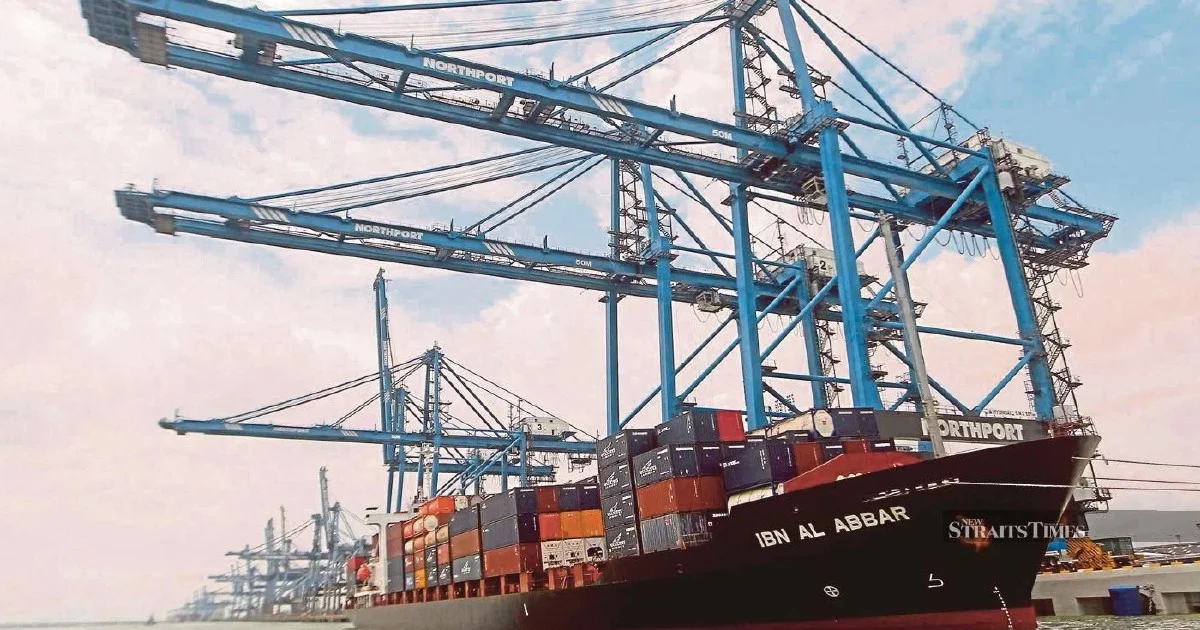
The much-anticipated Port Klang 3 project, a significant expansion initiative for Malaysia's busiest container port, remains aligned with its development schedule and could commence construction within the calendar year, according to Transport Minister Anthony Loke. The viability of the project, however, hinges critically on resolving administrative and property-related obstacles currently pending with the Selangor state government.
Port Klang has long served as the primary gateway for Malaysia's containerised cargo and remains integral to regional trade flows through Southeast Asia. The proposed third phase represents a strategic investment in expanding the nation's port capacity amid growing shipping volumes and increasing demands from international logistics operators. The project's advancement would significantly strengthen Malaysia's competitive positioning within the broader regional port network, particularly as competing ports in Singapore, Thailand, and Indonesia continue infrastructure enhancements.
Loke's statement reflects optimism about the project timeline while acknowledging practical constraints that have periodically delayed maritime infrastructure initiatives in the region. Land acquisition and regulatory clearance represent longstanding challenges in Malaysian port expansion projects, often requiring coordination between federal authorities, state governments, and private stakeholders. The Selangor government's involvement underscores the complexity of developing infrastructure within densely populated and industrialised regions where competing land interests converge.
The resolution of land-related complications with the Selangor authorities constitutes the primary bottleneck preventing immediate project commencement. Such issues typically encompass questions of land ownership, compensation valuations, environmental assessments, and zoning compliance. The minister's framing suggests these matters remain negotiable rather than insurmountable, positioning the stakeholders toward resolution through continued dialogue and administrative processing.
For Malaysian shippers, logistics operators, and manufacturing exporters, timely completion of Port Klang 3 holds substantial operational implications. Enhanced container handling capacity would reduce congestion, lower port fees through competitive efficiency, and improve turnaround times for vessels—factors that directly influence the cost-competitiveness of Malaysian exports in global markets. Small and medium-sized exporters particularly benefit from improved port infrastructure, as handling delays disproportionately burden smaller operators lacking financial buffers.
Regional competitors closely monitor Malaysia's port development trajectory. Singapore's Tuas mega-port expansion, the Port of Laem Chabang's capacity increases in Thailand, and Tanjung Pelepas's growth in Johor represent competing alternatives for regional transshipment and container traffic. Port Klang's ability to modernise and expand remains critical for retaining market share and maintaining its status as Southeast Asia's leading container port by throughput.
The project's economic significance extends beyond immediate port operations. Expanded capacity supports the broader vision of elevating Malaysia's role within global supply chains, particularly as companies diversify sourcing beyond traditional China-centric manufacturing networks. The post-pandemic reshuffling of international logistics has heightened demand for reliable, efficient port infrastructure throughout Southeast Asia, creating a window of opportunity for Malaysian infrastructure investment to yield outsized returns.
Loke's comments indicate government commitment to progressing the initiative despite bureaucratic complexities. His emphasis on the Selangor government's role in resolving land matters suggests that responsibility now rests primarily with state-level authorities to facilitate the process. Coordination between Selangor administration and the Transport Ministry will determine whether the optimistic timeline materialises or slips into subsequent years, a pattern familiar to observers of Malaysian infrastructure projects.
The broader context includes Malaysia's infrastructure development agenda outlined in the Twelfth Malaysia Plan and alignment with regional trade objectives. Port Klang 3 fits within national priorities to enhance logistics and transportation infrastructure, supporting manufacturing competitiveness and downstream economic activities. Successful implementation would demonstrate Malaysia's capacity to execute major maritime infrastructure projects, potentially attracting private investment in complementary logistics facilities including warehousing, distribution centres, and value-added services.
Constructing Port Klang 3 would require substantial capital investment, estimated in several billion ringgit range. Funding mechanisms likely involve partnerships between government entities, port authorities, and potentially international infrastructure investors or development banks. Project financing timelines must align with construction schedules, adding another dimension requiring coordination among multiple stakeholders.
For maritime workers, port operators, and supply chain professionals throughout Malaysia and the wider region, the project represents tangible modernisation that addresses existing capacity constraints. Current Port Klang operations handle approximately 13 million TEU (twenty-foot equivalent units) annually, operating near designed capacity. Port Klang 3 would substantially increase this throughput while incorporating contemporary automation and sustainability features aligned with industry best practices.
Pending successful resolution of land-related issues with Selangor authorities, construction commencement this year remains achievable. Stakeholders within Malaysia's export sector, international logistics operators, and port management will monitor developments closely. The project's advancement depends ultimately on coordinated action between transport authorities and state government agencies to overcome remaining administrative hurdles.


