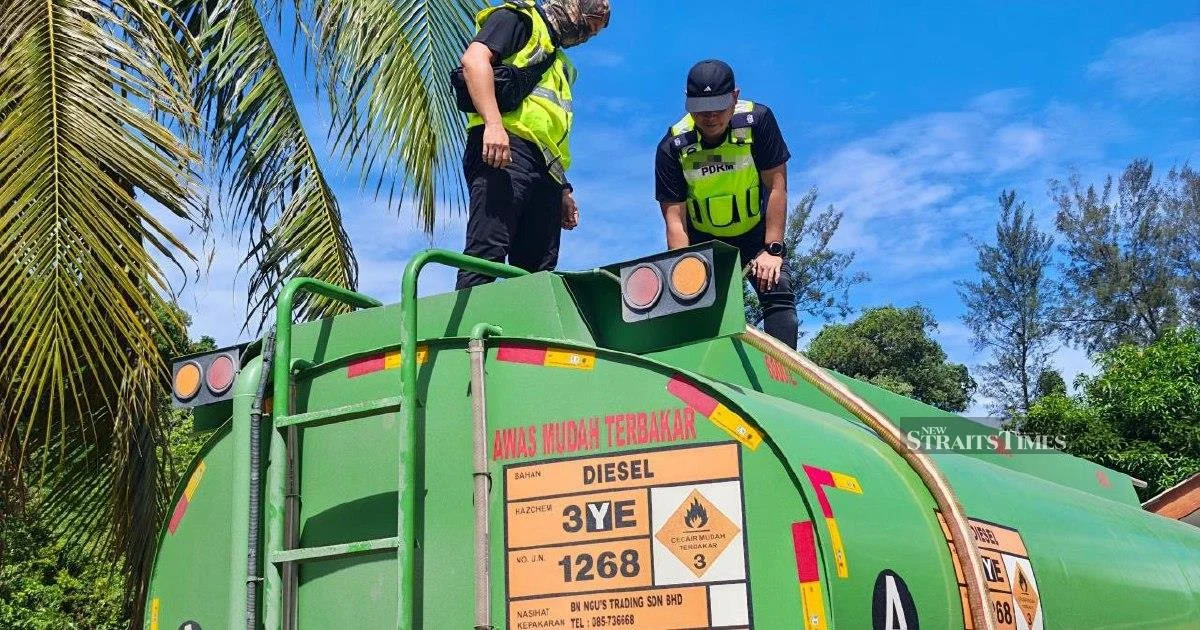
Authorities in Miri have uncovered and shut down a sophisticated diesel diversion operation that was siphoning off government-subsidised fuel through a network operating from a private residential bungalow in Tanjung Lobang. The discovery marks the latest enforcement action against fuel subsidy abuses that continue to drain state resources and distort market competition across the region. Four men have been arrested in connection with the operation, which appears to have been functioning undetected for a considerable period before law enforcement moved in.
The investigation that led to the bust reveals the scale of fuel diversion activities across Sarawak. Authorities seized approximately 15,000 litres of diesel during the raids, representing a substantial stockpile accumulated through the syndicate's operations. The presence of such large quantities stored at a residential location in a suburban area highlights how sophisticated these underground networks have become in concealing their activities within civilian neighbourhoods, away from the more heavily monitored commercial and industrial zones that might attract greater scrutiny.
Subsidised diesel has long been a target for organised criminal syndicates throughout Malaysia and Southeast Asia, given the substantial price differential between government-controlled rates and open market values. This gap creates powerful financial incentives for networks to divert fuel intended for specific industrial or agricultural uses into general commercial channels where it can be sold at considerably higher prices. The economics of such operations are compelling enough to justify significant investment in storage facilities, distribution networks, and corruption mechanisms designed to circumvent detection systems.
The Tanjung Lobang location in Miri positions this operation within a commercially active zone, offering convenient access to both supply sources and distribution routes. The bungalow setting is particularly noteworthy, as it suggests perpetrators had deliberately chosen residential areas to evade the heightened monitoring typically applied to industrial facilities or dedicated fuel depots. This tactical approach represents an evolution in how syndicates attempt to operate beyond the reach of enforcement agencies, blending illicit operations into the fabric of ordinary suburban life where authorities might be less inclined to investigate routine residential properties.
Fuel subsidy diversion creates cascading economic and social consequences across Malaysia and the wider region. When subsidised fuel intended for specific sectors such as fishing, agriculture, or transportation reaches black market channels, it artificially depresses prices for legitimate competitors while simultaneously representing a direct transfer of public resources to criminal networks and corrupt officials. The government's subsidy burden increases as consumption of diverted fuel essentially goes unaccounted for in official records, while the benefits flow to unintended beneficiaries.
The four arrests in this case are expected to trigger wider investigations into the supply chain feeding this operation. Authorities will likely pursue questions about which distributors or officials facilitated access to subsidised fuel, how the logistics network operated, and whether the syndicate had connections to similar operations elsewhere in Sarawak or neighbouring states. Such investigations frequently reveal layers of corruption that extend into government agencies, private companies, or both, making them lengthy and politically sensitive undertakings.
This bust occurs against a backdrop of intensifying international scrutiny on fuel subsidy programmes across Southeast Asia. Global commodity price volatility has made subsidies both more expensive to maintain and more attractive targets for diversion schemes. Malaysia's own subsidy costs have fluctuated significantly in recent years, making government efforts to curtail abuse increasingly urgent from a fiscal perspective. Regional agencies and trading bodies have also raised concerns about the regional implications of fuel diversion, as subsidised product flowing across borders distorts pricing in neighbouring economies.
The enforcement action demonstrates ongoing commitment by Sarawak authorities to address fuel-related crime, though observers note that supply-side interdiction represents only one component of effective countermeasures. Systematic reform of subsidy distribution mechanisms, enhanced tracking technologies, and consistent prosecution of both perpetrators and corrupt officials are typically necessary to achieve lasting deterrence. Without such comprehensive approaches, busting individual operations often proves to be a temporary disruption rather than a permanent solution.
Looking ahead, the four detainees will likely face charges under relevant provisions of Malaysian law governing theft of subsidised goods, unauthorised storage and distribution of controlled fuel products, and conspiracy. The outcomes of their prosecutions may establish precedents influencing how future cases are handled. Simultaneously, the details emerging from investigation of this syndicate's structure may inform broader law enforcement strategy against fuel diversion networks throughout the state and potentially across Malaysia, as intelligence on operational methodologies circulates among relevant agencies.


