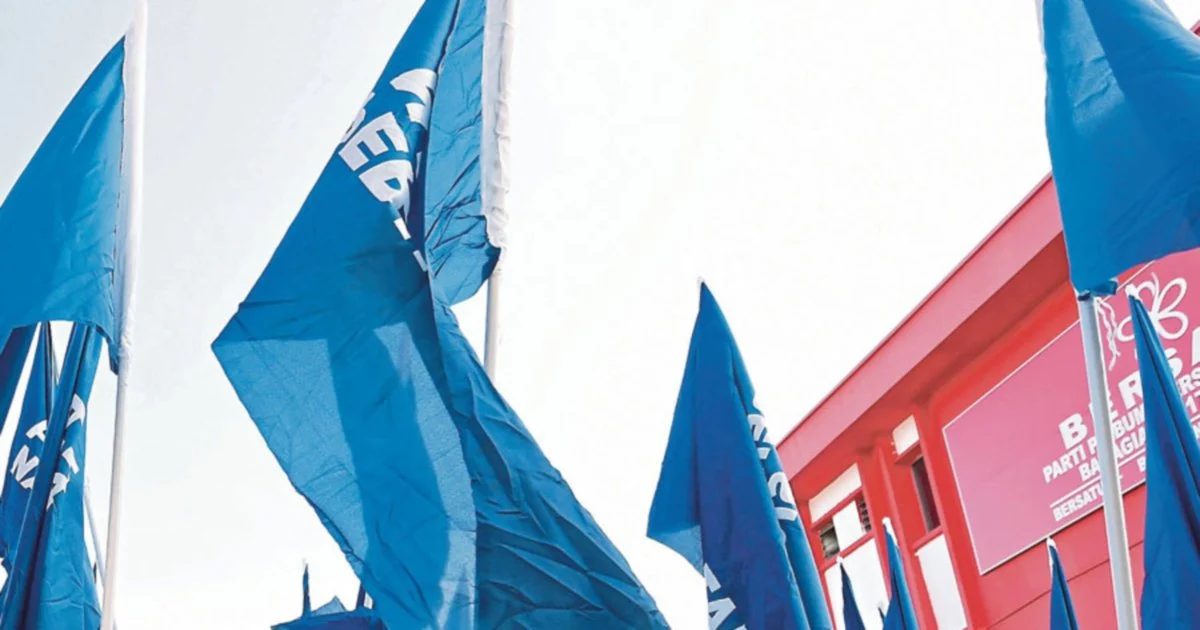
A brewing dispute over logo usage within Malaysia's Perikatan Nasional coalition threatens to complicate electoral arrangements for Bersatu, one of the bloc's major components, in upcoming parliamentary and state contests. Political analysts warn that unless Bersatu candidates obtain formal clearance from PN coalition chairman Datuk Seri Dr Ahmad Samsuri Mokhtar, the party could find itself unable to deploy the PN symbol during campaigns—a potentially significant handicap in a competitive political environment where coalition branding carries considerable weight among voters.
The tension underscores deeper structural challenges within PN, which comprises multiple parties with divergent interests and competing leadership ambitions. The logo serves as more than a mere graphic identifier; it represents the unified electoral machinery that the coalition has cultivated since its formation. Control over who may use that symbol effectively translates into control over coalition resources, candidate selection processes, and campaign infrastructure. For a party like Bersatu, which broke away from the United Malays National Organisation (UMNO) in 2016 and has since navigated multiple political realignments, the ability to contest under a recognised coalition banner provides crucial legitimacy and operational advantages.
Bersatu's position within PN has proven complicated. The party brought significant internal party strengths when it joined the coalition, yet it has also been subject to various political pressures and intra-coalition negotiations that have periodically destabilised its standing. Previous disputes over seat allocation and strategic direction have occasionally threatened party unity, and the current logo authorisation issue appears symptomatic of broader governance ambiguities within PN itself. Without clear protocols establishing how the coalition's symbols may be used and by whom, individual parties remain vulnerable to exclusion or marginalisation at critical electoral moments.
The requirement for Ahmad Samsuri Mokhtar's explicit authorisation for each candidate suggests either deliberately restrictive gatekeeping or administrative confusion about coalition procedures. Either scenario poses risks. If the chairman intends strict control, PN risks alienating constituent parties and potentially triggering defections that could weaken the coalition ahead of elections. If the requirement reflects poorly defined decision-making processes, it creates uncertainty that could handicap campaign preparations across multiple parties simultaneously. Malaysian political coalitions, historically vulnerable to disintegration, depend on maintaining baseline trust among member parties regarding fair treatment and transparent procedures.
For Malaysian voters, particularly those in constituencies where PN components compete, such internal disputes carry tangible consequences. Coalition fragmentation forces voters to evaluate individual party candidates rather than supporting a unified electoral vehicle. This fragmentation can also lead to split votes where multiple PN parties field separate candidates in the same contest, effectively handing advantages to opposition parties. The Perikatan Nasional itself emerged partly as a response to perceived vulnerabilities in UMNO-dominated Barisan Nasional governance, positioning itself as an alternative power centre. Logo disputes that hamper its organisational capacity undercut its ability to present that alternative convincingly.
From a regional perspective, Malaysia's coalition dynamics influence broader Southeast Asian politics. PN's performance affects the balance between different political traditions and ideological currents within the nation, with implications for how Malaysia engages with neighbours and regional organisations. A weakened or fragmented PN benefits opposition forces and potentially reshapes Malaysia's strategic priorities. The current logo dispute, while apparently technical, signals that PN has not yet resolved fundamental governance questions about power-sharing and decision-making authority among its constituent parties.
The situation also reflects a wider Malaysian political trend where party structures lag behind electoral realities. Coalition arrangements frequently operate on informal understandings and personal relationships between senior figures rather than codified procedures. When those relationships deteriorate or when new leadership transitions occur, ambiguities emerge. The logo authorisation requirement appears to fall into this grey zone where no clearly established procedure governs the coalition's most basic operational functions.
Bersatu's predicament becomes particularly acute given its history and constituency base. The party draws considerable support from Bumiputera-conscious voters and traditionalist segments that value UMNO-aligned narratives. Yet Bersatu itself originated as a reform-minded breakaway that positioned itself as representing a modernised, cleaner version of Malay-Muslim politics. This complicated identity has made the party periodically vulnerable to being seen as either insufficiently distinctive from UMNO or overly ideologically distant from coalition partners. Electoral barriers imposed through logo restrictions could exacerbate these identity challenges.
Moving forward, resolution of this dispute will likely depend on whether PN coalition members can reach consensus on formalised procedures for logo usage and candidate authorisation. A reasonable framework would establish transparent criteria and delegated authority structures that prevent individual coalition leaders from wielding arbitrary gatekeeping power while maintaining necessary coordination mechanisms. Without such clarity, PN will remain vulnerable to similar disputes in future electoral cycles, potentially repeating patterns of internal friction that previously plagued Barisan Nasional.
The broader lesson for Malaysian political observers lies in recognising that coalition governance requires explicit attention to institutional design and procedure, not merely personal relationships among elite figures. As PN matures as an alternative power structure, establishing professional standards for internal decision-making becomes increasingly necessary. The logo authorisation battle, while immediately concerning for Bersatu's electoral prospects, ultimately reflects PN's need to develop the institutional maturity that sustained coalition governance demands—a challenge that will determine whether PN can offer voters a genuinely viable long-term governing alternative.